USAID DEC
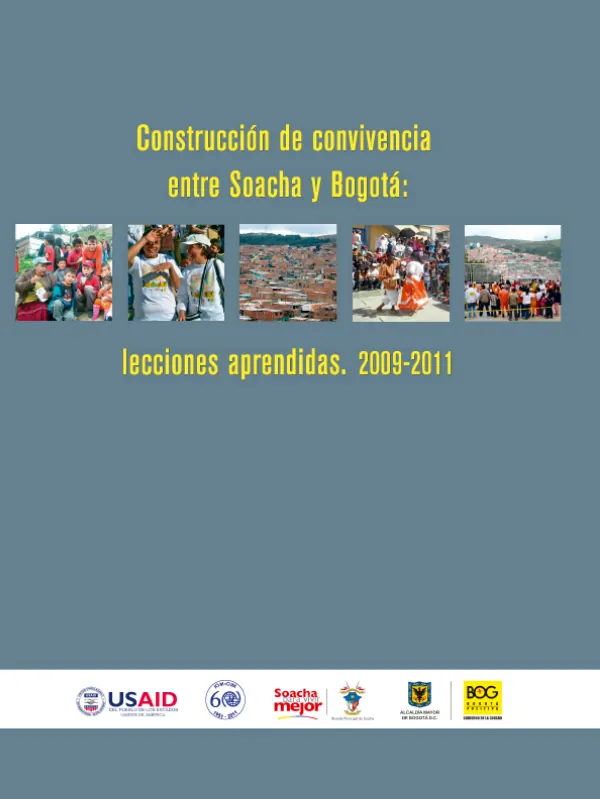
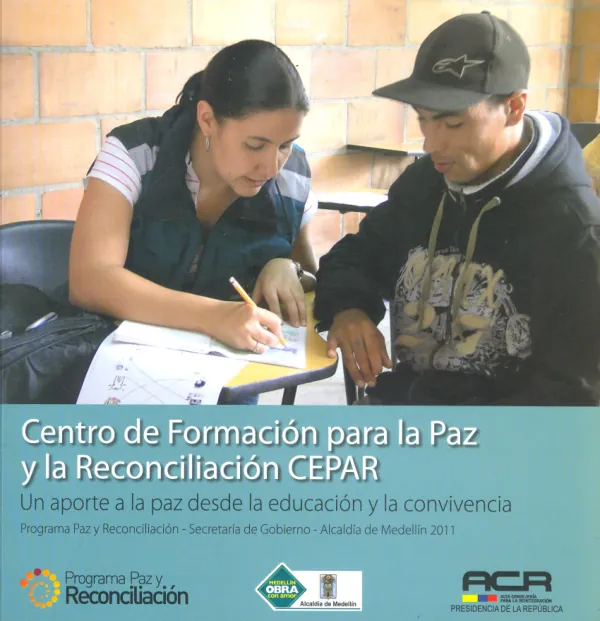
Un aporte a la paz desde la educación y la convivencia: Programa Paz y Reconciliación
Sign inAGENCIA DE LOS ESTADOS UNIDOS PARA EL DESARROLLO INTERNACIONAL
Un aporte a la paz desde la educación y la convivencia: Programa Paz y Reconciliación
The Centro de Formación para la Paz y la Reconciliación CEPAR, a program of the Alcaldía de Medellín, was established in 2011 with the goal of promoting peace and reconciliation through education and community engagement.
2011 · 95 pages
Sign in to readA free account is required to download.
Abstract
The program was made possible through the financial support of the United States Agency for International Development (USAID) and technical assistance from the International Organization for Migration (OIM). The CEPAR program focused on three key components: education, training, and community engagement. The education component aimed to provide students with a comprehensive education, including literacy and numeracy skills, as well as vocational training. The training component focused on providing students with the skills and knowledge necessary to secure employment and improve their socio-economic status. The community engagement component aimed to promote social cohesion and reconciliation through community-based initiatives and projects. The CEPAR program was designed to be inclusive, with a focus on reaching marginalized and vulnerable populations, including those with special educational needs. The program implemented a range of strategies to promote inclusivity, including the creation of a project for students with special educational needs and a project for adult education. The program also placed a strong emphasis on community engagement and social cohesion. The CEPAR program worked closely with local communities to identify their needs and develop projects that addressed these needs. The program also established partnerships with local organizations and businesses to provide students with work experience and job opportunities. The CEPAR program was evaluated through a range of indicators, including student outcomes, community engagement, and program sustainability. The evaluation revealed that the program had a positive impact on student outcomes, with students showing significant improvements in literacy and numeracy skills. The program also had a positive impact on community engagement, with local communities reporting increased social cohesion and a sense of belonging. The CEPAR program was a collaborative effort between the Alcaldía de Medellín, USAID, and OIM. The program was implemented through a range of partnerships and alliances, including with local organizations, businesses, and community groups. The program's success was due in part to its inclusive and community-focused approach, which allowed it to reach marginalized and vulnerable populations and promote social cohesion and reconciliation. The CEPAR program's impact was not limited to the students who participated in the program. The program also had a positive impact on the broader community, with local communities reporting increased social cohesion and a sense of belonging. The program's success was also due in part to its focus on promoting peace and reconciliation, which allowed it to address the root causes of conflict and promote social cohesion. Overall, the CEPAR program was a successful initiative that promoted peace and reconciliation through education and community engagement. The program's inclusive and community-focused approach allowed it to reach marginalized and vulnerable populations and promote social cohesion and reconciliation. The program's success was due in part to its collaborative approach, which brought together local organizations, businesses, and community groups to promote peace and reconciliation.
Related documents