RESOURCES FOR ACTION
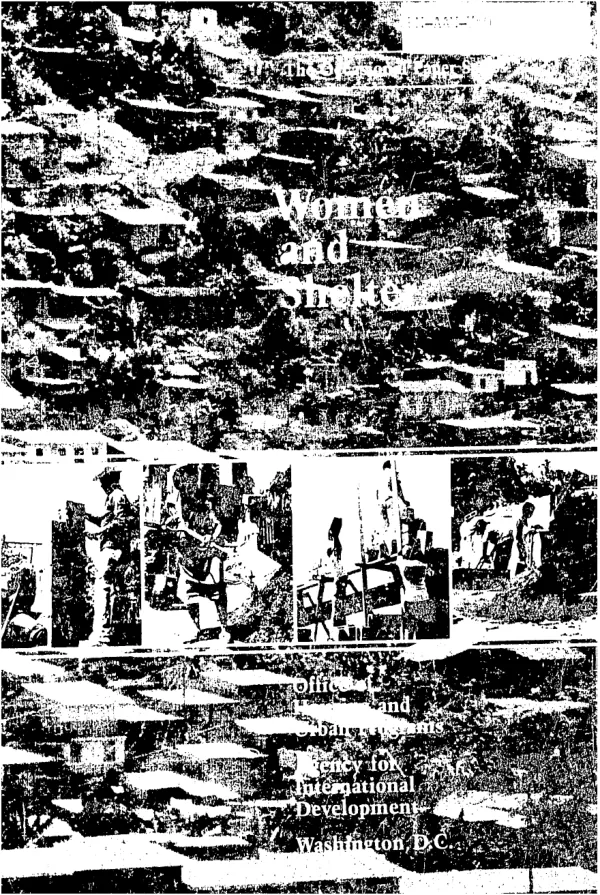
Women and shelter
While the impact of shelter programs on women has always been considerable, only recently has attention begun to focus on the differential impact of housing projects on women versus men, and on the particular housing and shelter needs of urban women.
Sorock, Margery; Dicker, Hortense · 1984
Sign in to readA free account is required to download.
Abstract
This paper analyzes findings from an AID-sponsored study of women and shelter undertaken 10/81-3/82 in Tunisia, Paraguay, and Honduras. Study findings show that women face several obstacles in gaining access to shelter: high housing costs and lack of access to credit; insecurity in dealing with bureaucratic procedures; lack of information about shelter and credit programs; and, to a lesser extent, subtle discrimination by credit institutions. Another problem is the absence of effective fora where low-income women can make their needs and preferences known to housing planners. Significant regional differences were found. Women in Tunis stated that their principal housing problem was lack of space - a problem related to segregation of Moslem women within the home. By contrast, Latin American women, many of whom are single heads of households, needed employment opportunities and income so they could better acquire and maintain shelter. Recommendations to better meet women"s housing needs are made in the areas of institutional commitment, shelter cost, employment opportunities, child care, outreach, and recognition of cultural factors.
Connected topics