U.S. PUBLIC HEALTH SERVICE. CENTERS FOR DISEASE CONTROL AND PREVENTION (CDC). INTERNATIONAL HEALTH PROGRAM OFC.
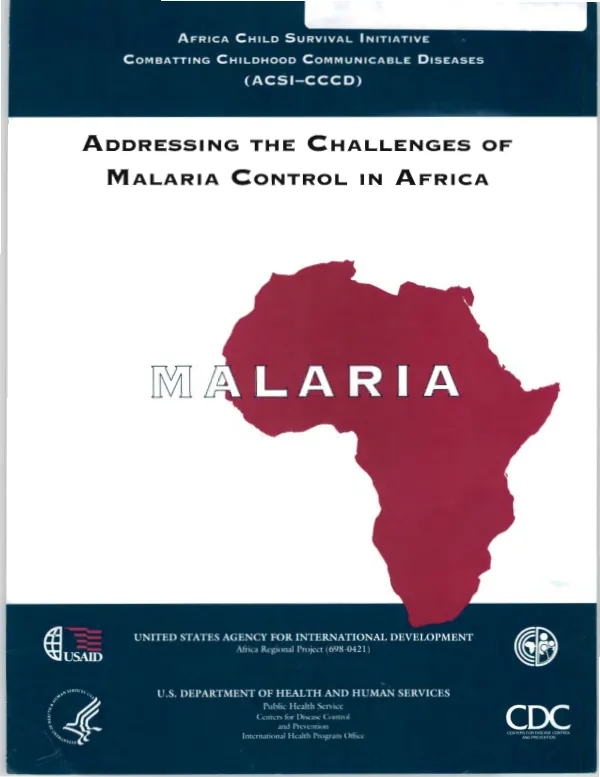
Working paper : evaluation of national malaria control programs in Africa
International agencies and malaria control program managers have identified improved evaluation as critical to increasing the effectiveness of malaria control programs in Africa.
Bryce, J.; Roungou, J. B. · 1970
Sign in to readA free account is required to download.
Abstract
This report discusses key issues involved in integrating evaluation into the program process. According to the report, managers can develop an evaluation strategy only after they have defined program objectives and planned specific activities. Indicators should be directly related to program objectives and should be selected on the basis of their: validity; reliability; ability to chart change stemming from program implementation within a reasonable amount of time; ability to be interpreted; usefulness in guiding program change; and measurability. Specifically, indicators need to be developed for: program policies and plans; the implementation process; the outcomes of malaria control interventions in disease management and prevention; and program impact on malaria-related morbidity and mortality. Managers also need to identify data sources and determine how often each indicator will be measured. Key issues in managing an evaluation activity include the need to: begin with available resources and build incrementally; explore options for administering evaluation activities; select, train, and supervise evaluation staff; develop quality control strategies; and ensure that data are managed and communicated in ways that support effective program decisionmaking. (Author abstract, modified)
Related documents