GEORGE WASHINGTON UNIVERSITY CIBER
A Guide for Massive Open Online Courses (MOOCs)
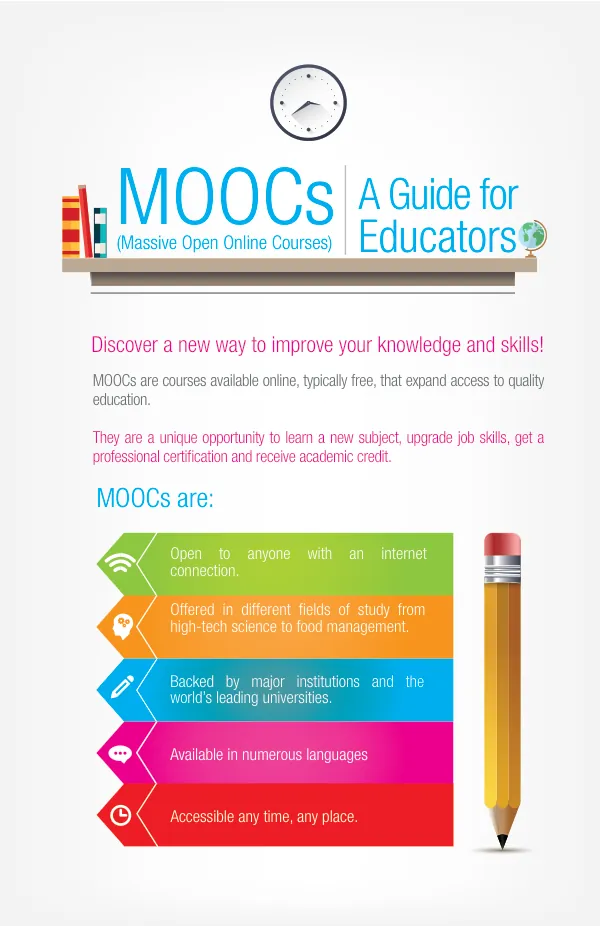
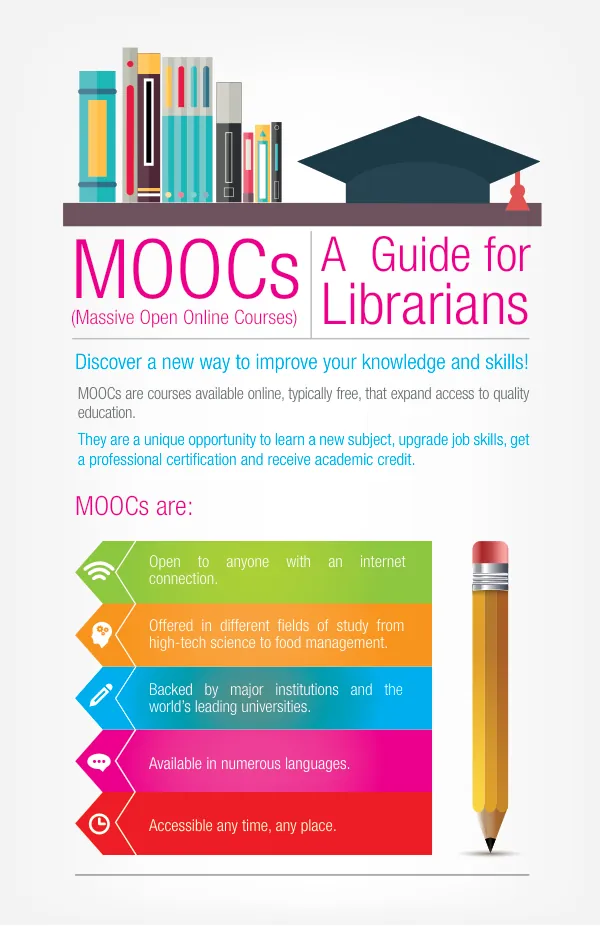
Massive Open Online Courses (MOOCs) are courses available online, typically free, that expand access to quality education.
2016 · 4 pages
Sign in to readA free account is required to download.
Abstract
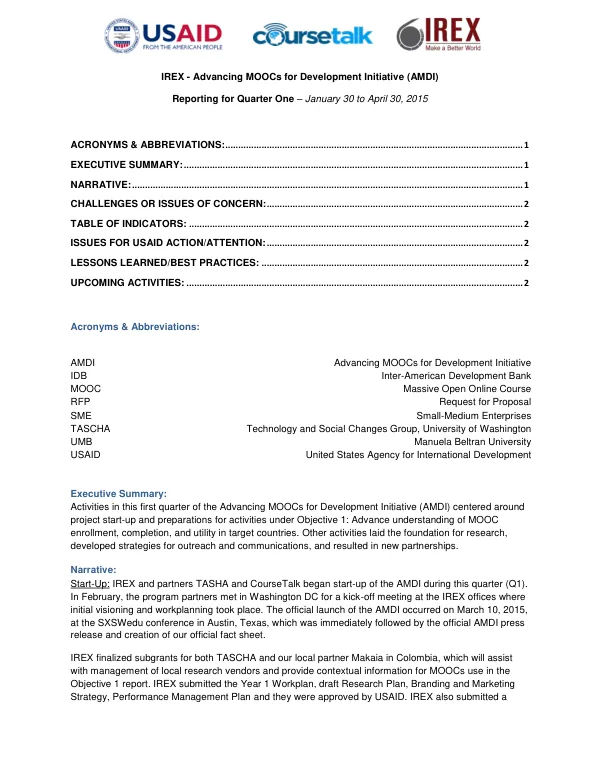
They are a unique opportunity to learn a new subject, upgrade job skills, obtain a professional certification, and receive academic credit. MOOCs are open to anyone with an internet connection and are backed by major institutions and the world's leading universities. They are available in numerous languages and offered in different fields of study, from high-tech science to food management. MOOCs are accessible at any time and from any place, making them an ideal option for individuals with busy schedules or those living in remote areas. Libraries are uniquely positioned to provide access to quality academic materials through MOOCs. In developing countries, for every additional year of education, an individual's future income is increased by an average of 10%. This highlights the importance of MOOCs in promoting education and economic development. Libraries can play a significant role in promoting MOOCs by creating a MOOC user group, identifying relevant topics for their community, and inviting users to enroll in MOOCs. They can also reserve computers for MOOC users, hold conversation groups to share the experience, and offer activities related to MOOC content. MOOCs have the potential to reach a wide audience, including individuals who may not have access to traditional educational institutions. According to a survey, 16% of library users in the US say they took an online class or completed an online certification program at the library. This suggests that libraries are already playing a role in promoting online learning and MOOCs. By leveraging MOOCs, libraries can help individuals improve their digital skills, access quality academic materials, and enhance their employability. Several platforms offer MOOCs, including Miriadax, edX, Udacity, and Coursera. These platforms partner with top universities and organizations worldwide to offer courses online for anyone. MOOCs cover a wide range of subjects, from entrepreneurship and design to physics and genomics. By signing up for a MOOC, individuals can gain new knowledge and skills, enhance their career prospects, and contribute to their personal and professional development. The Advancing MOOCs for Development Initiative is a project that aims to promote the use of MOOCs in developing countries. The initiative is funded by IREX and implemented by Makaia. The project recognizes the potential of MOOCs to improve education and economic development in developing countries. By promoting MOOCs, libraries can play a significant role in enhancing education and economic development in their communities.