NON-GOVERNMENTAL ORGANIZATION
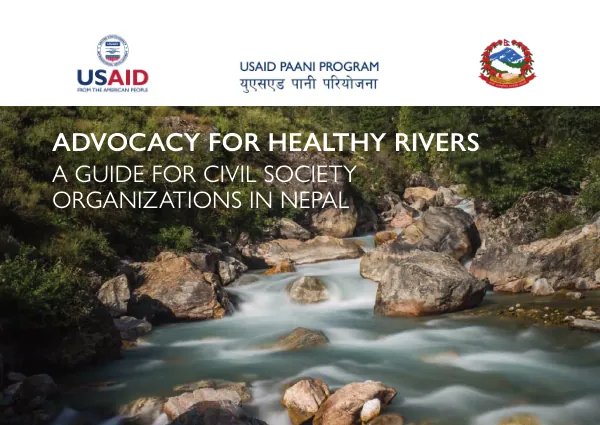
Advocacy for Healthy Rivers: A Guide for Civil Society Organizations in Nepal
Sustainable infrastructure is crucial for Nepal's future economic growth and social transformation.
2021 · 132 pages
Sign in to readA free account is required to download.
Abstract
Road connectivity, irrigation, and hydropower will play a central role in this process, but it is essential to consider the environmental costs associated with development. Economic growth today may have future expenses that future generations will bear. For instance, allowing wide-scale hydropower on free-flowing rivers will add power to the national grid but could also decimate important fish species and other aquatic life. Infrastructure development in Nepal is a multi-layered process that involves various government offices at the local, provincial, and federal levels. The Department of Local Infrastructure (DoLI), Department of Roads (DoR), and Department of Irrigation (DoI) are responsible for infrastructure development. However, the environmental impact of infrastructure development is a significant concern. Environmental Impact Assessments (EIA) and Environmental Assessments (EA) are essential tools for evaluating the potential environmental costs of infrastructure projects. The Ministry of Federal Affairs and Local Development (MoFALD), Ministry of Infrastructure Development (MoI), and Ministry of Energy, Water, and Irrigation (MoEWRI) are responsible for overseeing infrastructure development in Nepal. However, the lack of clear responsibilities and coordination among these ministries can lead to confusion and inefficiencies in the infrastructure development process. The CSO ADVOCACY GUIDELINES emphasize the importance of citizen participation in infrastructure development. Citizens and civil society organizations (CSOs) can play a crucial role in ensuring that infrastructure development is sustainable and environmentally sustainable. The guidelines provide a step-by-step approach to advocacy, starting with defining the problem and moving through subsequent stages of generating solutions, building a network, and executing a plan. The book aims to provide a comprehensive guide for Nepali citizens and CSOs to understand sustainable infrastructure and its importance in ensuring healthy rivers and rich biodiversity. The information contained in the guide will strengthen their voices in policy discussions at the local, provincial, and federal levels of government. The guide draws from numerous sources, including the important work done by Jalshrot Vikas Sanstha (JVS), a Nepali member of the Global Water Partnership, an international organization dedicated to improving water resource management. The book covers the basics of sustainability and infrastructure, focusing on roads, irrigation, and hydropower. It provides key terms and concepts so that citizens and CSOs understand the commonly used language in these areas. The book also provides a quick reference guide to the various government offices responsible for infrastructure development at the local, provincial, and federal levels. The book emphasizes the importance of understanding the potential harmful impacts of infrastructure development, including irresponsible road building, irrigation, and hydropower. It provides information on the opportunities for citizens and CSOs to effect positive change in their communities, starting with defining the problem and moving through subsequent stages of generating solutions, building a network, and executing a plan. In conclusion, the CSO ADVOCACY GUIDELINES provide a comprehensive guide for Nepali citizens and CSOs to understand sustainable infrastructure and its importance in ensuring healthy rivers and rich biodiversity. The book aims to contribute to strengthening civil society in Nepal, not only for issues of sustainability and riverine health but also for deepening appreciation for democratic processes in all areas of public life. The book is structured to provide a clear and concise overview of the key concepts and terminology used in infrastructure development in Nepal. It provides a step-by-step approach to advocacy, starting with defining the problem and moving through subsequent stages of generating solutions, building a network, and executing a plan. The book is an essential resource for citizens and CSOs who want to understand the complexities of infrastructure development in Nepal and contribute to sustainable and environmentally sustainable development. The book is divided into four sections: Introduction, The Threats, The Opportunities, and Courses of Action and Best Practices. The Introduction provides an overview of the importance of sustainable infrastructure in Nepal and the role of citizens and CSOs in ensuring that infrastructure development is sustainable and environmentally sustainable. The Threats section highlights the potential harmful impacts of infrastructure development, including irresponsible road building, irrigation, and hydropower. The Opportunities section provides six case studies of successful infrastructure development projects in Nepal, highlighting the importance of sustainable infrastructure in ensuring healthy rivers and rich biodiversity. The Courses of Action and Best Practices section provides a step-by-step approach to advocacy, starting with defining the problem and moving through subsequent stages of generating solutions, building a network, and executing a plan. The book concludes with a conclusion that emphasizes the importance of citizen participation in infrastructure development and the need for a comprehensive guide for Nepali citizens and CSOs to understand sustainable infrastructure and its importance in ensuring healthy rivers and rich biodiversity.