USAID
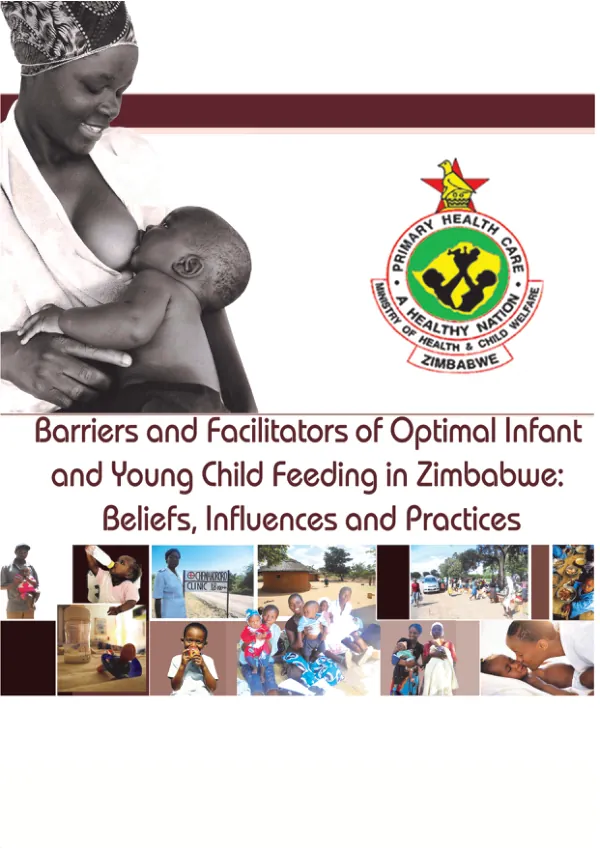
Assessment of Breastfeeding and Complementary Feeding Practices in Zimbabwe
In Zimbabwe, child nutrition is a significant concern, with feeding practices for children 0-23 months being a major area of focus.
2012 · 116 pages
Sign in to readA free account is required to download.
Abstract
The country's feeding practices are influenced by various factors, including cultural beliefs, socioeconomic status, and access to information. A study conducted in Zimbabwe aimed to investigate the feeding practices of caregivers and the factors that influence them. The study used a mixed-methods approach, combining both qualitative and quantitative data collection and analysis methods. Data was collected from caregivers in rural and urban areas, with a focus on mothers, fathers, grandmothers, and other caregivers. The study found that caregivers' feeding practices were influenced by various factors, including their own experiences, cultural beliefs, and access to information. Breastfeeding was found to be a common practice among caregivers, with most mothers initiating breastfeeding within the first hour after birth. However, exclusive breastfeeding was not as common, with many caregivers introducing complementary foods at an early age. The study also found that caregivers faced various challenges in breastfeeding, including difficulty in increasing breast milk production and managing breastfeeding difficulties. Complementary feeding was also a significant area of focus, with caregivers introducing a variety of foods to their children's diets. The study found that caregivers' feeding practices were influenced by various factors, including their own experiences, cultural beliefs, and access to information. The study also found that caregivers faced various challenges in complementary feeding, including difficulty in introducing new foods and managing feeding during illness. The study identified several key influences on caregivers' feeding practices, including grandmothers, fathers, community members, health providers, and media access. Grandmothers were found to play a significant role in shaping caregivers' feeding practices, with many caregivers seeking their advice and guidance. Fathers were also found to be influential, with many caregivers seeking their input on feeding decisions. Health providers were also found to play a significant role in shaping caregivers' feeding practices, with many caregivers seeking their advice and guidance on feeding their children. The study also found that media access and information on infant and young child feeding (IYCF) were important influences on caregivers' feeding practices. The study's findings have significant implications for the development of effective interventions to improve child nutrition in Zimbabwe. The study highlights the need for targeted interventions that address the specific challenges faced by caregivers, including difficulty in breastfeeding and complementary feeding. The study also highlights the importance of involving grandmothers, fathers, and community members in feeding practices, as well as the need for health providers to provide accurate and consistent advice on feeding. The study's recommendations include the development of targeted interventions to improve breastfeeding and complementary feeding practices, as well as the need for increased support for caregivers, particularly grandmothers and fathers. The study also recommends the development of effective communication strategies to promote accurate and consistent information on feeding practices, as well as the need for increased access to information on IYCF.