USAID DEC
Assessment of the Medicines Benefit Program of the Ghana National Health Insurance Scheme
Sign inMANAGEMENT SCIENCES FOR HEALTH
Assessment of the Medicines Benefit Program of the Ghana National Health Insurance Scheme
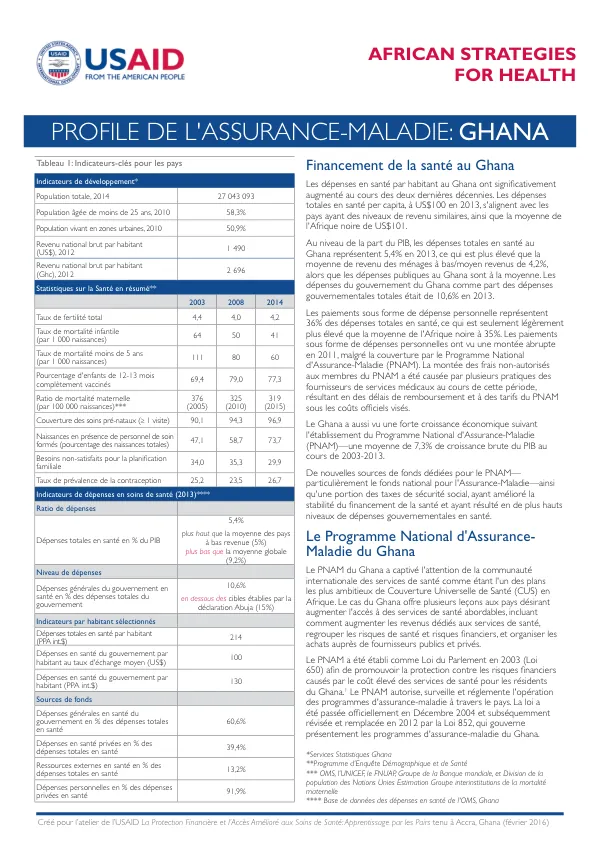
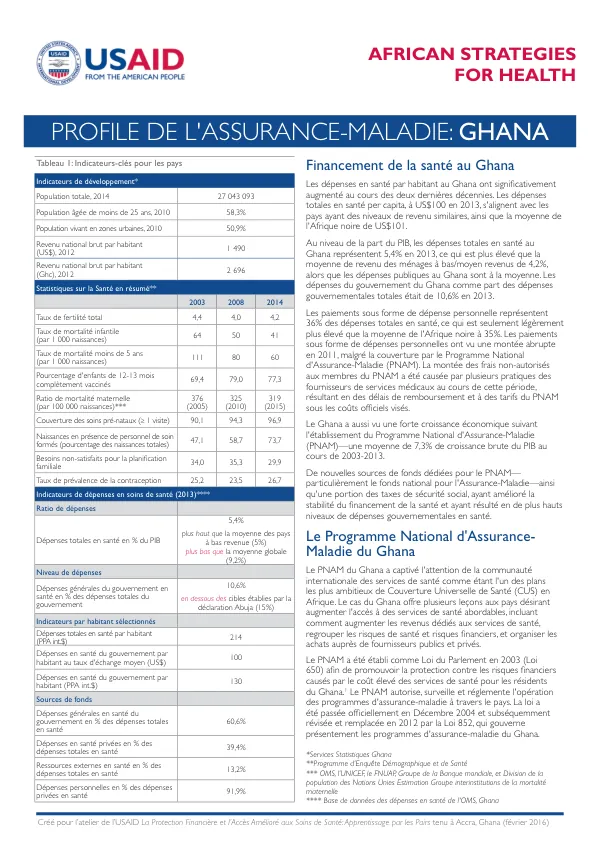
The Medicines Benefit Program of the Ghana National Health Insurance Scheme is a critical component of the country's strategy to achieve universal health coverage.
2015 · 44 pages
Sign in to readA free account is required to download.
Abstract
The program aims to provide access to essential medicines for all citizens, regardless of their socio-economic status. The program is managed by the National Health Insurance Authority (NHIA), which is responsible for the procurement, distribution, and reimbursement of medicines. The program has faced several challenges, including the frequency of updates to the list of selected medicines, inadequate prices quoted by the NHIS for reimbursement, and stock-outs of essential medicines at health facilities. These challenges have resulted in a growing number of patients who occasionally have to pay out of pocket for medicines. The NHIA has been struggling to overcome these shortcomings, and the program has been criticized for its inefficiencies. The Systems for Improved Access to Pharmaceuticals and Services (SIAPS) program, funded by the US Agency for International Development (USAID) and implemented by Management Sciences for Health (MSH), has been working to strengthen the management of medicines benefit programs in countries that are moving towards universal health coverage. The SIAPS program has been providing technical assistance to the NHIS to identify and address gaps in the achievement of UHC. A key component of the SIAPS program is the assessment of the medicines benefit program of the NHIS. The assessment aims to identify the strengths and weaknesses of the program and provide recommendations for improvement. The assessment has been conducted in collaboration with the NHIA, the Ministry of Health, and other stakeholders. The assessment has identified several key findings, including the need for more frequent updates to the list of selected medicines, the need for more accurate pricing of medicines, and the need to improve the supply chain management of medicines. The assessment has also identified the need to strengthen the capacity of the NHIA to manage the medicines benefit program, including the need to improve the data management and analysis systems. The assessment has made several recommendations for strengthening the NHIS medicines benefit program, including the need to establish a more transparent and accountable system for the procurement and distribution of medicines, the need to improve the pricing of medicines, and the need to strengthen the capacity of the NHIA to manage the program. The recommendations also include the need to improve the supply chain management of medicines, including the need to improve the storage and distribution of medicines. The implementation of the recommendations will require the support of the NHIA, the Ministry of Health, and other stakeholders. The SIAPS program will continue to provide technical assistance to the NHIS to support the implementation of the recommendations and to strengthen the management of the medicines benefit program. The assessment of the medicines benefit program of the NHIS has provided valuable insights into the challenges facing the program and has identified areas for improvement. The recommendations made by the assessment provide a roadmap for strengthening the program and improving access to essential medicines for all citizens of Ghana.
Related documents