MANAGEMENT SCIENCES FOR HEALTH
Options Analysis for Integration of Oxytocin in the EPI Cold Chain in Mali
The post-partum hemorrhage (PPH) prevention initiative in Mali aims to improve access to oxytocin, a critical medication for preventing PPH, through integration into the Expanded Programme on Immunization (EPI) cold chain.
2015 · 45 pages
Sign in to readA free account is required to download.
Abstract
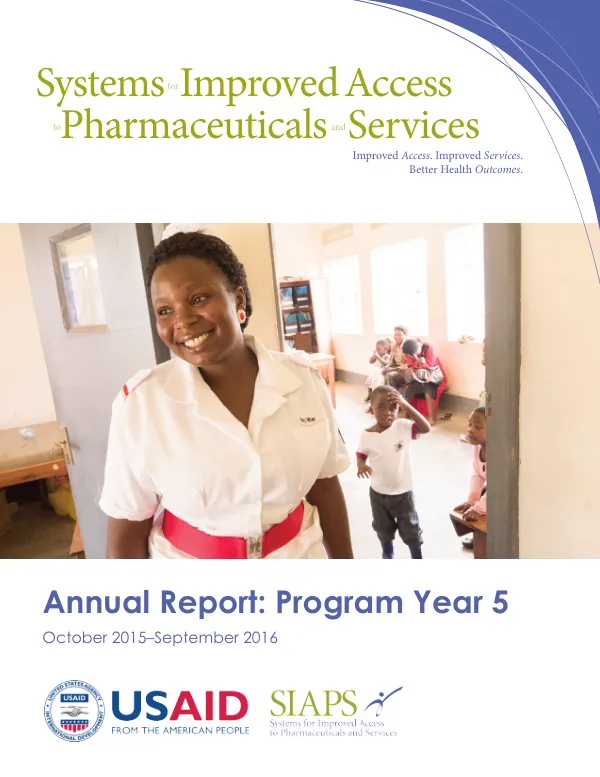
The initiative is part of the Systems for Improved Access to Pharmaceuticals and Services (SIAPS) Program, which seeks to enhance the availability and quality of pharmaceutical products and services in Mali. Mali's health situation is characterized by a high maternal mortality rate, with PPH being a leading cause of death among women. The country's geography, with a vast territory and limited infrastructure, poses significant challenges to healthcare delivery. The population of Mali is approximately 18 million people, with a high percentage of rural residents. The administrative organization of the country is divided into eight regions, with a complex network of health facilities. The EPI cold chain is a critical component of Mali's healthcare system, responsible for storing and transporting vaccines and other temperature-sensitive medications. Integration of oxytocin into the EPI cold chain would enable the medication to be stored and transported at the same facilities as vaccines, reducing the risk of temperature-related degradation and increasing access to the medication for healthcare providers. A task force was established to explore the feasibility of integrating oxytocin into the EPI cold chain. The task force consisted of representatives from the Ministry of Health and Public Hygiene, the Directorate of Pharmacy and Medicines, and other stakeholders. The task force conducted a series of work sessions and a stakeholders' workshop to discuss the integration of oxytocin into the EPI cold chain. The task force identified several key objectives for the integration of oxytocin, including improving access to the medication, reducing the risk of temperature-related degradation, and increasing the efficiency of the cold chain. The task force also developed a methodology for integrating oxytocin into the EPI cold chain, which included conducting a needs assessment, developing a plan for storage and transportation, and training healthcare providers on the use of the medication. The stakeholders' workshop brought together representatives from the Ministry of Health and Public Hygiene, the Directorate of Pharmacy and Medicines, and other stakeholders to discuss the integration of oxytocin into the EPI cold chain. The workshop provided an opportunity for stakeholders to share their perspectives and experiences on the integration of oxytocin and to identify potential challenges and solutions. The integration of oxytocin into the EPI cold chain in Mali has the potential to improve access to this critical medication for preventing PPH. The initiative aligns with the goals of the SIAPS Program, which seeks to enhance the availability and quality of pharmaceutical products and services in Mali. The task force and stakeholders' workshop provided a platform for discussing the integration of oxytocin and identifying potential challenges and solutions. The implementation of the integration of oxytocin into the EPI cold chain will require careful planning and coordination among stakeholders. The Directorate of Pharmacy and Medicines will play a critical role in overseeing the integration process, including conducting a needs assessment, developing a plan for storage and transportation, and training healthcare providers on the use of the medication. The Ministry of Health and Public Hygiene will also be involved in the integration process, providing guidance and support to the Directorate of Pharmacy and Medicines. The integration of oxytocin into the EPI cold chain in Mali has the potential to improve maternal health outcomes and reduce the risk of PPH. The initiative is a critical step towards achieving the Millennium Development Goal 5, which aims to reduce maternal mortality by 75% by 2015. The success of the initiative will depend on the effective coordination and collaboration among stakeholders, including the Directorate of Pharmacy and Medicines, the Ministry of Health and Public Hygiene, and other healthcare providers.
Related documents