MINISTÉRIO DE SAÚDE
Atendimento ao Trabalho de Parto e Parto
The use of the partogram is a crucial aspect of monitoring labor and updating the birth plan.
2015 · 1 pages
Sign in to readA free account is required to download.
Abstract
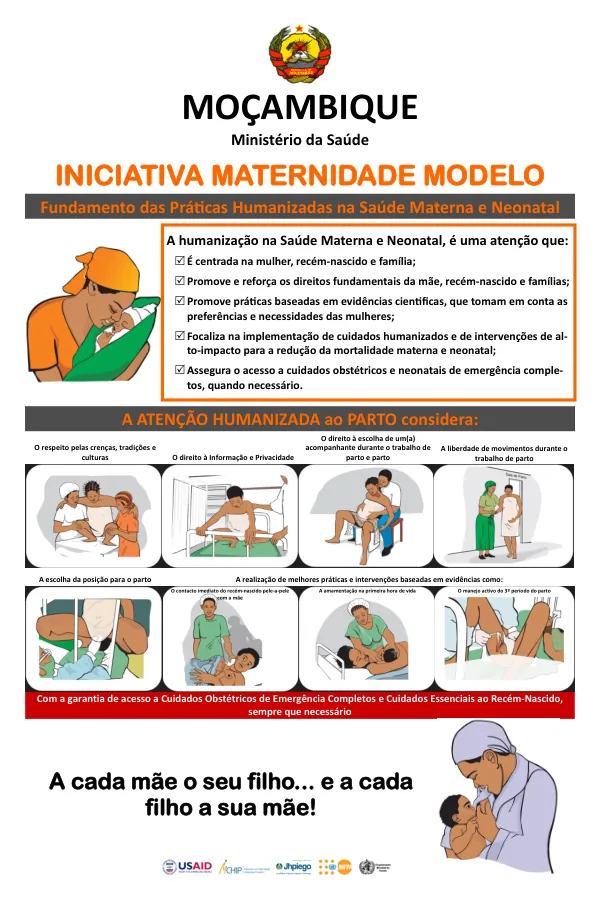
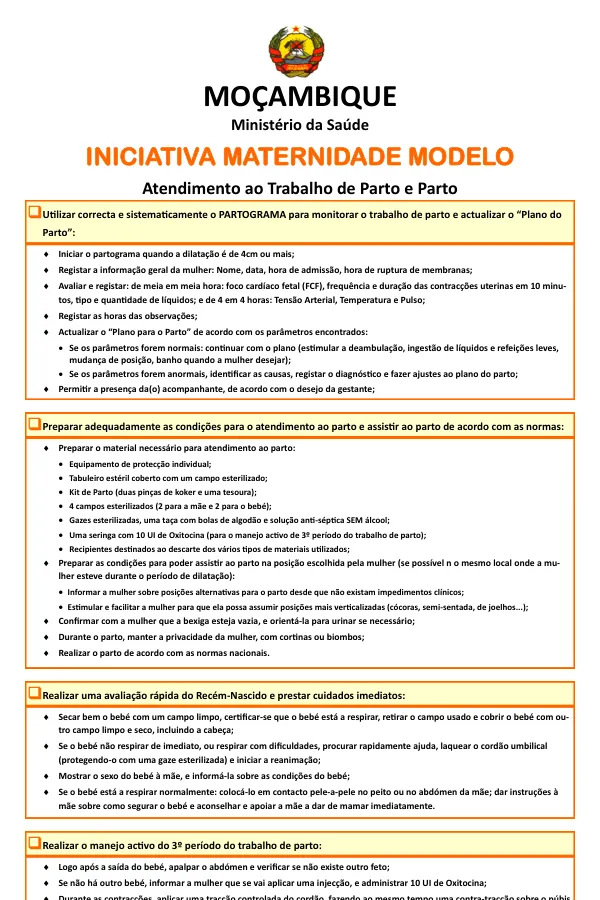
The partogram is initiated when cervical dilation reaches 4cm or more. General information about the woman, including her name, date, and time of admission and rupture of membranes, is recorded. The partogram is updated every 30 minutes to track fetal heart rate, uterine contraction frequency and duration, type and quantity of fluids, and every 4 hours to track blood pressure, temperature, and pulse. The partogram is used to determine the course of action for the birth plan. If the parameters are normal, the plan is continued, with the woman encouraged to ambulate, ingest fluids and light meals, change positions, and take a bath if desired. If the parameters are abnormal, the causes are identified, a diagnosis is made, and adjustments are made to the birth plan. The presence of a companion is permitted, as desired by the woman. Preparation for the birth is critical, and the necessary equipment is prepared, including individual protective equipment, a sterile tray, a partogram kit, and sterile fields for the mother and baby. The equipment includes pinces, a scalpel, sterile gauze, and a solution for antisepsis without alcohol. A syringe with 10 units of oxytocin is also prepared for active management of the third stage of labor. The woman is informed about alternative positions for birth and encouraged to assume more vertical positions, such as squatting or semi-sitting. The woman is also asked to confirm that her bladder is empty and is instructed to urinate if necessary. During the birth, the woman's privacy is maintained, and the birth is conducted according to national norms. After the birth, a rapid assessment of the newborn is conducted, and immediate care is provided. The baby is dried with a clean field, and it is ensured that the baby is breathing. If the baby does not breathe immediately or has difficulty breathing, help is sought quickly, and the umbilical cord is clamped and reanimation is initiated. The baby's sex is shown to the mother, and she is informed about the baby's condition. If the baby is breathing normally, it is placed in skin-to-skin contact with the mother, and the mother is instructed on how to hold the baby and is encouraged to breastfeed immediately. Active management of the third stage of labor involves palpating the abdomen to check for another fetus after the baby is born. If there is no other fetus, an injection of 10 units of oxytocin is administered. During contractions, a controlled traction of the umbilical cord is applied while simultaneously applying a counter-traction on the pubis.