USAID DEC
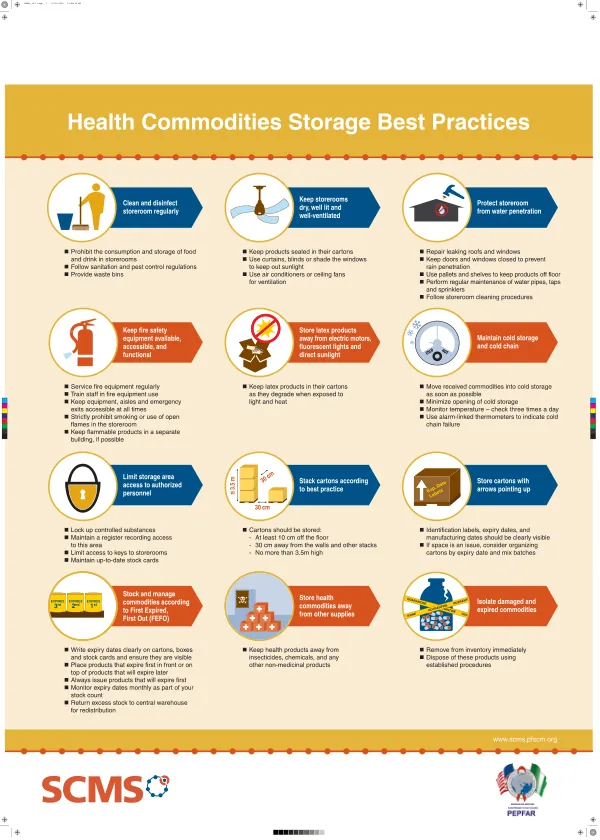
Botswana Storage Poster
Color Management System CMY is a widely used color model in digital printing.
1 pages
Sign in to readA free account is required to download.
Abstract
It is based on the additive combination of cyan, magenta, and yellow inks to produce a wide range of colors. The CMY model is an extension of the RGB color model, which is used for digital displays. In the CMY model, cyan, magenta, and yellow inks are combined in different proportions to produce various colors. The resulting colors are then adjusted to compensate for the subtractive nature of ink-based printing. This process involves adjusting the ink densities to achieve the desired color output. The CMY model is commonly used in offset printing, where the inks are applied to a metal plate and then transferred to paper. The CMY model is also used in digital printing, where the inks are applied directly to the paper using inkjet technology. In both cases, the CMY model provides a reliable and efficient way to produce high-quality color prints. One of the key advantages of the CMY model is its ability to produce a wide range of colors. By combining cyan, magenta, and yellow inks in different proportions, it is possible to produce over 16 million different colors. This makes the CMY model ideal for applications where high-quality color reproduction is critical, such as in graphic design, photography, and packaging. The CMY model has undergone significant improvements over the years, with the introduction of new ink sets and printing technologies. For example, the addition of black ink (K) to the CMY model has improved the accuracy and range of colors that can be produced. Similarly, the introduction of six-color printing has expanded the color gamut and improved the overall quality of prints.