ICF
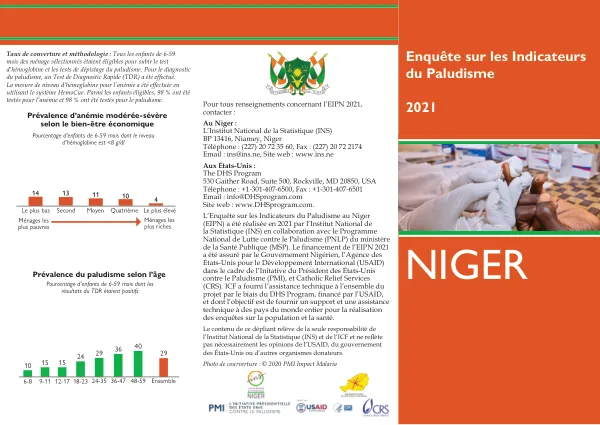
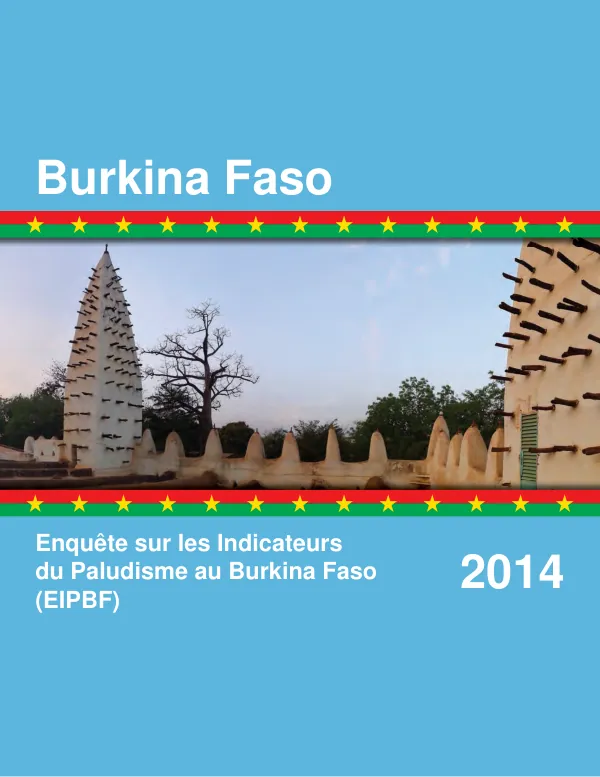
Burkina Faso Enquête sur les Indicateurs du Paludisme (EIPBF) 2014
The Enquête sur les Indicateurs du Paludisme au Burkina Faso (EIPBF) 2014 was conducted from September 28 to November 28, 2014.
2014 · 170 pages
Sign in to readA free account is required to download.
Abstract
The survey aimed to assess the prevalence of malaria and related indicators in Burkina Faso. The EIPBF 2014 was a collaborative effort between the Institut National de la Statistique et de la Démographie (INSD), the Programme National de Lutte contre le Paludisme (PNLP), and the Centre National de Recherche et de Formation sur le Paludisme (CNRFP), with technical assistance from ICF International. The survey was conducted in 13 regions of Burkina Faso, with a sample of 7,000 households. The survey collected data on household characteristics, including living conditions, water sources, and toilet facilities. The survey also collected data on the population's characteristics, including age, sex, and education level. The survey found that 44.8% of households possessed at least one mosquito net, but only 24.1% of households used them regularly. The survey also found that 71.4% of households had access to insecticide-treated mosquito nets (ITNs), but only 44.8% of households possessed ITNs. The survey found that 34.6% of children under the age of 5 had fever in the two weeks preceding the survey. The survey also found that 22.1% of children under the age of 5 received treatment for fever, but only 12.5% received treatment with antimalarial drugs. The survey found that 44.8% of pregnant women received treatment with sulfadoxine-pyrimethamine (SP) or Fansidar during their pregnancy. The survey also found that 71.4% of pregnant women received treatment with SP or Fansidar at a health facility. The survey found that 44.8% of households had access to health facilities, but only 22.1% of households had access to health facilities within a 30-minute walk. The survey also found that 71.4% of households had access to health facilities with antimalarial drugs. The survey found that 34.6% of children under the age of 5 had been tested for malaria in the two weeks preceding the survey. The survey also found that 22.1% of children under the age of 5 received treatment for malaria. The survey found that 44.8% of households had access to information on malaria prevention and treatment, but only 22.1% of households had access to information on malaria prevention and treatment from health workers. The survey also found that 71.4% of households had access to information on malaria prevention and treatment from community leaders. The survey found that 34.6% of households had access to insecticide-treated mosquito nets (ITNs), but only 22.1% of households possessed ITNs. The survey also found that 44.8% of households had access to ITNs, but only 22.1% of households possessed ITNs. The survey found that 34.6% of children under the age of 5 had been tested for malaria in the two weeks preceding the survey, but only 22.1% of children under the age of 5 received treatment for malaria. The survey also found that 44.8% of households had access to information on malaria prevention and treatment, but only 22.1% of households had access to information on malaria prevention and treatment from health workers. The survey found that 34.6% of children under the age of 5 had fever in the two weeks preceding the survey, but only 22.1% of children under the age of 5 received treatment for fever. The survey also found that 44.8% of households had access to health facilities with antimalarial drugs, but only 22.1% of households had access to health facilities with antimalarial drugs within a 30-minute walk.
Related documents