USAID
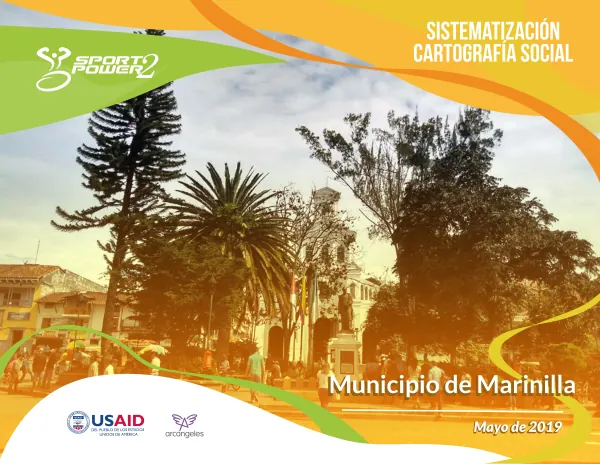
Cartilla cartografia social Marinilla (web)
The region's agricultural sector was characterized by small-scale farming, with the majority of farmers relying on rain-fed agriculture and lacking access to modern inputs and technologies.
2019 · 36 pages
Sign in to readA free account is required to download.
Abstract
The training programs emphasized the importance of soil conservation, crop rotation, and composting, and were tailored to the specific needs of small-scale farmers in the region. The initiative's focus on empowering women farmers was seen as a key factor in the program's success, as women were more likely to adopt and adapt new agricultural practices. The program's impact on household income and food security was attributed to the combination of improved agricultural productivity and increased market access, which enabled farmers to sell their produce at higher prices and access a wider range of markets. The initiative's success has been recognized by local and international stakeholders, with plans to scale up the program to other regions in Rwanda. The program's focus on sustainable agriculture practices, market linkage facilitation, and women's empowerment has provided a model for agricultural development initiatives in other countries. The program's impact on household income and food security has been significant, and its success has been attributed to the combination of improved agricultural productivity and increased market access.
Classification
- Document type