USAID
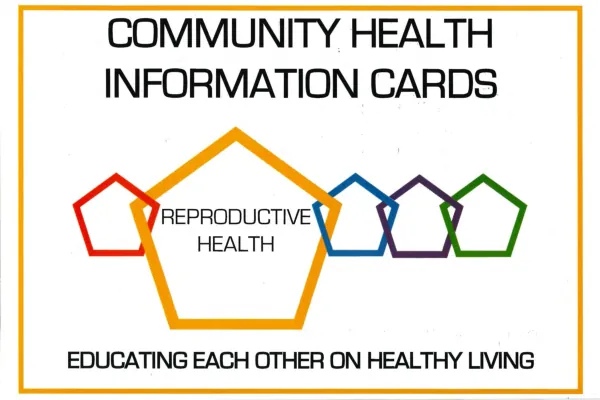
Community Health Information Cards: Educating Each Other on Healthy Living
The reproductive health initiative in a given community began with the distribution of Community Health Information Cards.
2015 · 20 pages
Sign in to readA free account is required to download.
Abstract
These cards were designed to facilitate discussions among community members on various health issues, including reproductive health, HIV and AIDS, child health, and community concerns. The cards contained key information, written in a question-and-answer format, and were accompanied by pictures and activity boxes to aid understanding and retention. The cards focused on specific health topics, such as sexually transmitted infections (STIs), family planning, and pregnancy. For instance, the STI card provided information on the definition, causes, symptoms, and treatment of various STIs, including HIV. The family planning card discussed the benefits of family planning, including improved health and well-being for both mothers and children, and the importance of using contraceptives and other family planning methods. The initiative also emphasized the role of community members in taking care of their health and that of their unborn babies. The cards provided guidance on healthy eating, rest, and antenatal care, as well as the importance of making a birth plan and preparing for labor. The initiative encouraged community members to seek medical attention from trained health workers and to be aware of danger signs during pregnancy and childbirth. The Community Health Information Cards were designed to be used by Neighborhood Health Committees (NHCs) to facilitate discussions and educate community members on various health issues. The cards were intended to be used in conjunction with health workers and healthcare facilities to provide accurate and reliable information to community members. The initiative aimed to promote healthy living and reduce the risk of STIs, unintended pregnancies, and other health problems. By providing community members with accurate information and resources, the initiative hoped to empower them to take control of their health and make informed decisions about their reproductive health. The cards also included key words and terms, such as "sexually transmitted infections," "family planning," "contraceptive," and "antenatal care," which were discussed and explained in the local language. The initiative encouraged community members to ask questions and seek clarification on any topics they were unsure about. Overall, the reproductive health initiative in the community aimed to promote healthy living, reduce the risk of health problems, and empower community members to take control of their reproductive health. The Community Health Information Cards played a crucial role in facilitating discussions and educating community members on various health issues.