USAID
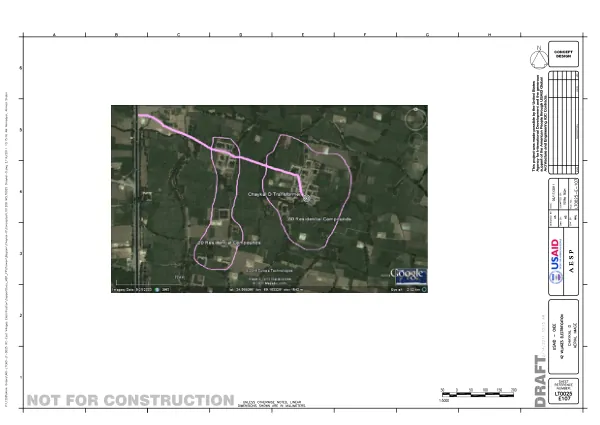
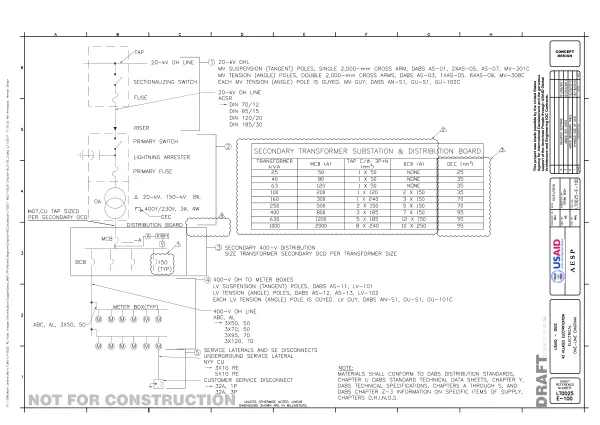
Concept for RC-East Villages Electrification
The region's agricultural sector was characterized by small-scale farming, with the majority of farmers relying on rain-fed agriculture and lacking access to modern inputs and technologies.
3 pages
Sign in to readA free account is required to download.
Abstract
The training programs emphasized the importance of soil conservation, crop rotation, and composting, with a focus on improving soil fertility and reducing erosion. The initiative's emphasis on women's empowerment and gender equality was seen as a key factor in the program's success, with women playing a crucial role in the adoption and dissemination of new agricultural practices. The initiative's impact on poverty reduction and food security was significant, with the program's success attributed to the combination of farmer training, infrastructure development, and market linkage facilitation. The results of the midterm evaluation provided valuable insights into the program's effectiveness and informed the development of strategies for scaling up the initiative to other regions in Rwanda. The initiative's geographic focus was on the Eastern Province, where the majority of Rwanda's agricultural production takes place. The program's timeframes were set for a three-year period, with the first year focused on implementation and the second and third years dedicated to evaluation and scaling up. The initiative's recommendations emphasized the importance of continued support for farmer training and market linkage facilitation, as well as the need for further investment in infrastructure development to support the growth of the agricultural sector in Rwanda.