USAID DEC
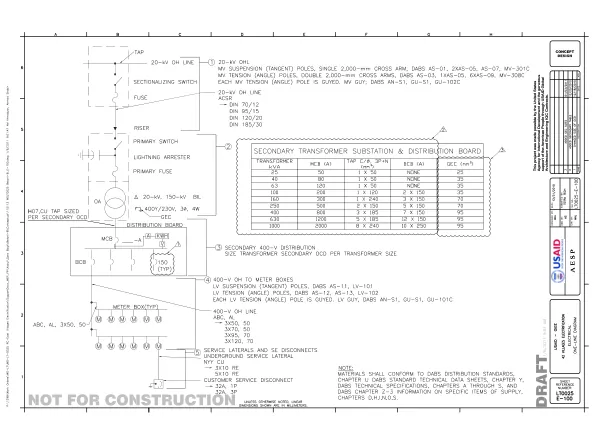
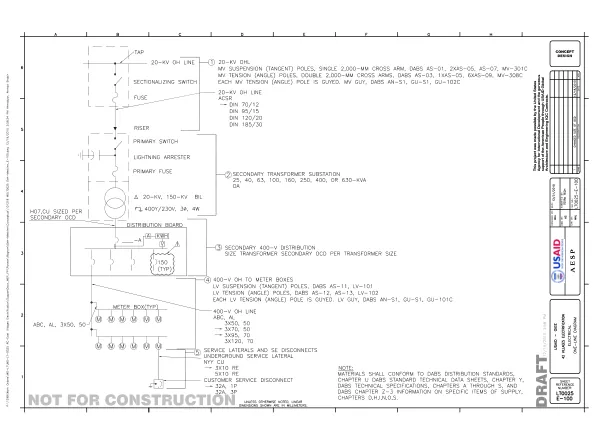
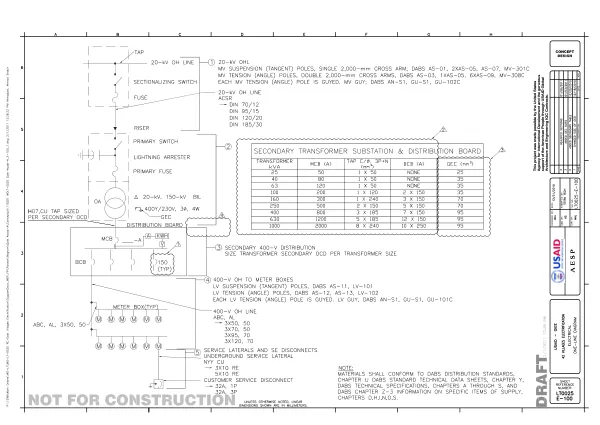
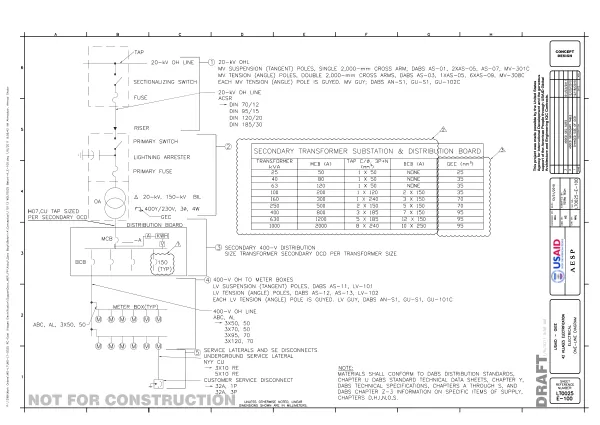
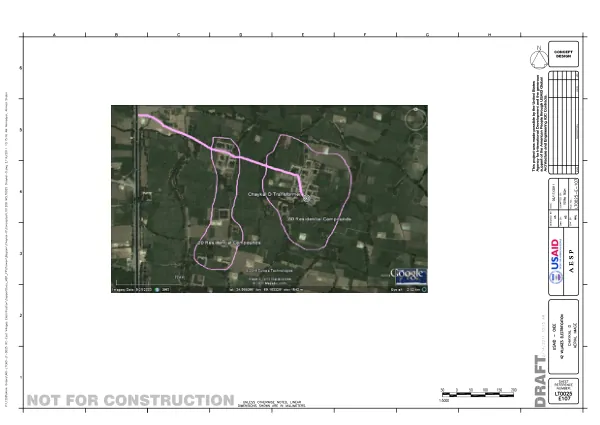
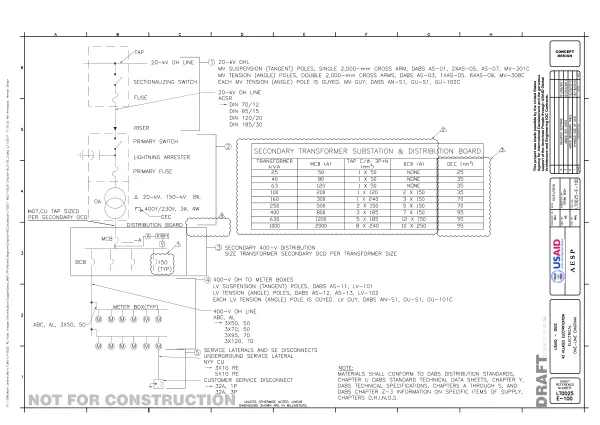
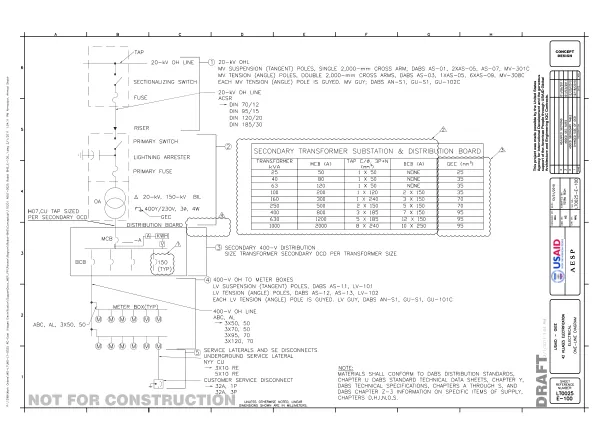
Conceptual: Rabat-BHS Electrification in Parwan Province, Bagram District, Afghanistan
Sign inUSAID
Conceptual: Rabat-BHS Electrification in Parwan Province, Bagram District, Afghanistan
Soil degradation was attributed to intensive farming practices and lack of conservation tillage, while limited market access hindered farmers' ability to sell their produce at competitive prices.
1 pages
Sign in to readA free account is required to download.
Abstract
The training programs emphasized the importance of crop rotation, composting, and conservation tillage to improve soil fertility and reduce erosion. The plots also served as a platform for farmers to share knowledge and best practices. This may be attributed to the fact that women-headed households tend to have more limited access to resources and credit, making the adoption of new practices more challenging. However, the initiative's focus on women's empowerment and capacity building helped to overcome these barriers. The evaluation also showed that the initiative's impact was more pronounced in communities with higher levels of poverty and food insecurity. This suggests that the initiative's focus on the most vulnerable populations helped to address the root causes of food insecurity and poverty in Rwanda. The initiative's success can be attributed to its holistic approach, which addressed both the supply-side constraints (soil degradation and limited market access) and the demand-side factors (poverty and food insecurity). The initiative's focus on women's empowerment and capacity building also helped to ensure that the benefits of the program were equitably distributed among all stakeholders. As the initiative continues to evolve and expand, it is likely to have a lasting impact on Rwanda's agricultural sector and contribute to the country's overall development goals.