USAID DEC
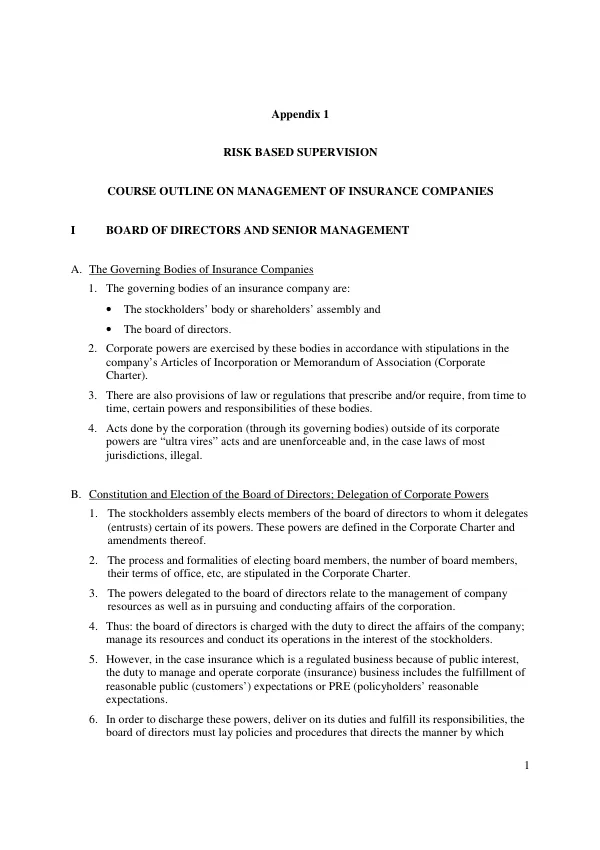
Course Outline on Management of Insurance Companies
The internal audit function is responsible for providing independent oversight of an insurance company's organizational and procedural controls.
8 pages
Sign in to readA free account is required to download.
Abstract
This includes ensuring compliance with laws and regulations, as well as adherence to sound risk management policies and practices. The function's role is to observe and assess the adequacy and effectiveness of management control systems, making recommendations to the board on improvements and/or strengthening them. Key areas of management control on which internal audit focuses include internal control systems, compliance with laws and regulations, established policies and procedures, risk management policies and procedures, and the reliability of electronic processing systems. Internal audit also assesses the accuracy, timeliness, and quality of accounting records and reports. To be effective, internal audit must have the appropriate authorities, including a clear mandate from the board of directors, independence from day-to-day management activities, and access to company records and information. The function's organization structure, resources, and methodologies must also be adequate to fulfill its responsibilities. Internal audit characteristics include the function's mandate, organization structure, resources, methodology, and planning. The function's policies and practices must conform to generally accepted industry practices and current professional standards. The assessment of internal audit characteristics is essential to ensure that the function is effective in fulfilling its mandate. The internal audit function's independence is crucial to its effectiveness. Senior managers should not interfere with or obstruct internal audit functions, and the function should be free to express an opinion on the adequacy and effectiveness of management control systems. The function's head should have direct access to the CEO and the board, and the function should have fiscal independence, with an operating budget. Internal audit's policies and practices should ensure that audit methodologies conform to generally accepted industry practices and current professional standards. The function's audit frequency and coverage should be adequate to review audit cycles in response to changes in the company's environment and risk profile. The annual audit planning process should identify audit objectives and scope of work, and the required resources, including manpower and budget. The internal audit function's reporting policies and practices should ensure timely reporting of audit findings and recommendations to management, as well as making "follow-ups" to ensure that management takes appropriate action on audit findings. The function's policies and practices should be documented, and the assessment of internal audit characteristics should be conducted regularly to ensure that the function is effective in fulfilling its mandate. The internal audit function's role is to improve operating results, improve operating results, and ensure compliance with laws and regulations. The function's policies and practices should be risk-based, and the function should have the authority to express an opinion on the adequacy and effectiveness of management control systems. The function's head should have the necessary stature and authority to fulfill its mandate. The internal audit function's independence is essential to its effectiveness. The function should be free to express an opinion on the adequacy and effectiveness of management control systems, and the function's head should have direct access to the CEO and the board. The function's policies and practices should be documented, and the assessment of internal audit characteristics should be conducted regularly to ensure that the function is effective in fulfilling its mandate. The internal audit function's reporting policies and practices should ensure timely reporting of audit findings and recommendations to management, as well as making "follow-ups"