USAID DEC
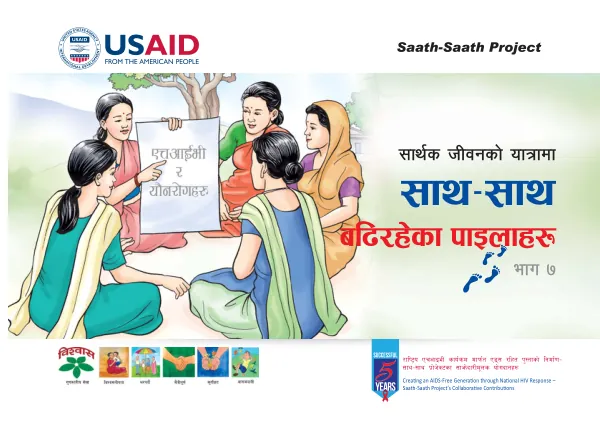
Creating an AIDS-Free Generation through National HIV Response – Saath-Saath Project’s Collaborative Contributions
Sign inFHI 360
Creating an AIDS-Free Generation through National HIV Response – Saath-Saath Project’s Collaborative Contributions
The Saath-Saath Project's Collaborative Contributions to Creating an AIDS-Free Generation through National HIV Response is a publication that outlines the collaborative efforts of various stakeholders in Nepal to combat HIV/AIDS.
2016 · 36 pages
Sign in to readA free account is required to download.
Abstract
The project is a collaborative initiative between FHI 360, the Government of Nepal, and other partners to strengthen the national HIV response. The publication highlights the importance of collaboration and coordination among stakeholders to achieve the goal of an AIDS-free generation. It emphasizes the need for a comprehensive and integrated approach to address the HIV epidemic, including prevention, treatment, care, and support services. The project has made significant contributions to the national HIV response, including the development of a national HIV strategic plan, capacity building of healthcare workers, and the establishment of community-based organizations to provide HIV services. The publication also highlights the importance of community engagement and participation in the national HIV response. It emphasizes the need for community-based organizations to play a key role in providing HIV services, including prevention, treatment, care, and support services. The project has established a network of community-based organizations that provide HIV services to vulnerable populations, including men who have sex with men, sex workers, and people who inject drugs. The publication also highlights the importance of addressing the social and economic determinants of HIV, including poverty, inequality, and social exclusion. It emphasizes the need for a comprehensive approach to address the social and economic determinants of HIV, including the provision of economic empowerment programs, education, and job training. The project has also made significant contributions to the national HIV response in terms of research and evaluation. It has conducted research on the effectiveness of various HIV interventions, including prevention, treatment, care, and support services. The project has also evaluated the impact of various HIV interventions on the national HIV response, including the effectiveness of community-based organizations in providing HIV services. The publication concludes by emphasizing the importance of continued collaboration and coordination among stakeholders to achieve the goal of an AIDS-free generation. It highlights the need for a comprehensive and integrated approach to address the HIV epidemic, including prevention, treatment, care, and support services. The project has made significant contributions to the national HIV response, and its collaborative approach has been recognized as a model for other countries to follow. The publication is a testament to the power of collaboration and coordination among stakeholders to achieve a common goal. It highlights the importance of community engagement and participation in the national HIV response and emphasizes the need for a comprehensive approach to address the social and economic determinants of HIV. The project's collaborative approach has been recognized as a model for other countries to follow, and its contributions to the national HIV response have been significant. The publication also highlights the importance of addressing the social and economic determinants of HIV, including poverty, inequality, and social exclusion. It emphasizes the need for a comprehensive approach to address these determinants, including the provision of economic empowerment programs, education, and job training. The project has made significant contributions to the national HIV response in terms of research and evaluation, and its findings have informed policy and programming decisions. The publication is a valuable resource for policymakers, program managers, and other stakeholders who are working to combat HIV/AIDS in Nepal. It provides a comprehensive overview of the national HIV response and highlights the importance of collaboration and coordination among stakeholders to achieve the goal of an AIDS-free generation. The project's collaborative approach has been recognized as a model for other countries to follow, and its contributions to the national HIV response have been significant.
Related documents