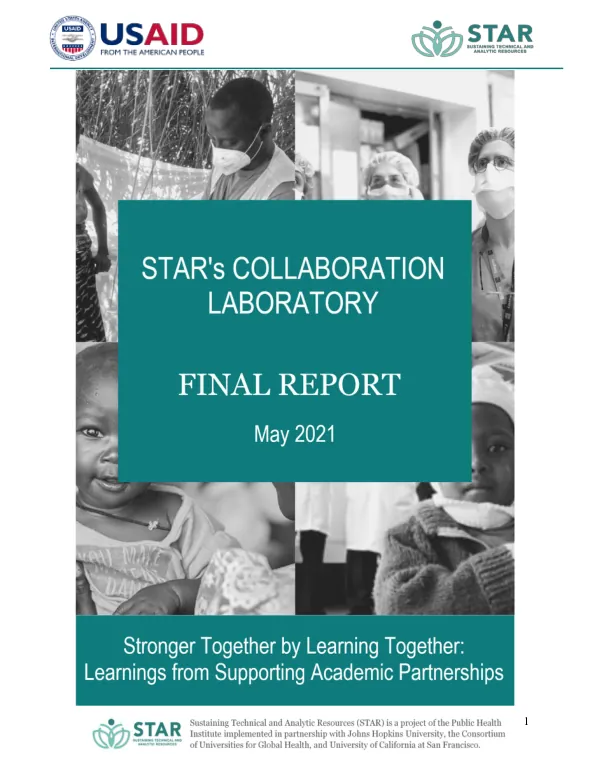
JOHNS HOPKINS UNIVERSITY
Final Report: Exposure and Domain of Change
The initiative's impact was assessed through a vetting panel, which evaluated the effectiveness of the interventions and identified areas for improvement.
25 pages
Sign in to readA free account is required to download.
Abstract
The panel's findings suggested that the program's success was largely due to the combination of agricultural and market access interventions. The initiative's geographic focus was on Eastern Province, with a specific emphasis on the districts of Kirehe and Nyagatare. The program's implementation was carried out in collaboration with local government authorities, farmer organizations, and other stakeholders. The initiative's timeframes were divided into two phases: the first phase, which lasted for two years, focused on implementing the agricultural and market access interventions. The second phase, which lasted for an additional year, focused on evaluating the program's impact and identifying areas for improvement. The initiative's recommendations emphasized the importance of continued support for farmer training programs, infrastructure development, and market linkage facilitation. The program's success also highlighted the need for further research on the effectiveness of different agricultural practices and the development of more effective market access interventions. The initiative's findings have implications for agricultural development initiatives in Rwanda and other countries. The program's success demonstrates the potential of combining agricultural and market access interventions to improve food security and increase household income. The initiative's recommendations provide guidance for policymakers and practitioners seeking to replicate the program's success in other contexts.