ICF
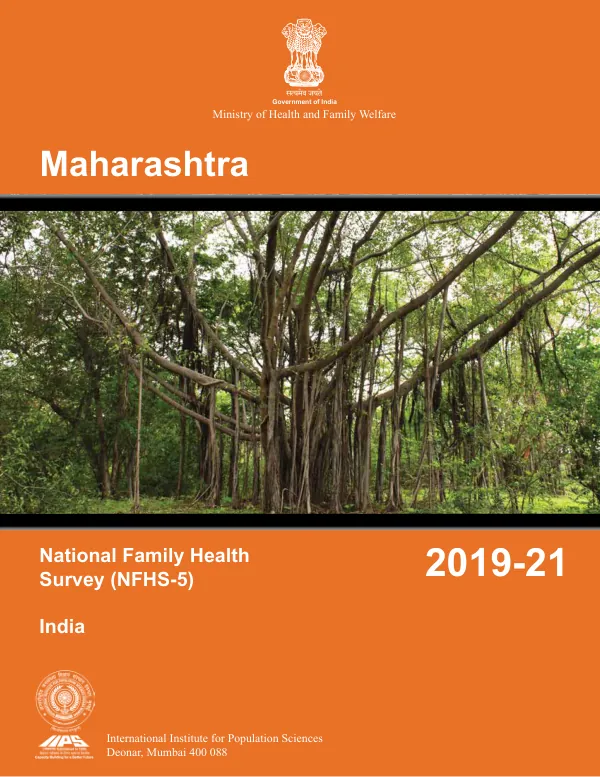
National Family Health Survey (NFHS-5) Maharashtra State Report 2019-21
The National Family Health Survey (NFHS-5) in Maharashtra, India, was conducted between 2019 and 2021.
2021 · 204 pages
Sign in to readA free account is required to download.
Abstract
The survey aimed to provide information on various health and family welfare indicators in the state. The data was collected through household and individual interviews, and the results are presented in the report. The survey found that the average household size in Maharashtra was 4.3 members, with 2.3 members per household in urban areas and 4.6 members in rural areas. The majority of households (83.2%) had a male head, while 16.8% had a female head. The literacy rate among the population aged 7 years and above was 84.7%, with a higher rate among males (88.3%) compared to females (81.3%). The survey also reported on fertility trends in Maharashtra. The total fertility rate (TFR) was 2.1 children per woman, which is below the replacement rate of 2.1. The TFR was higher in rural areas (2.3) compared to urban areas (1.8). The survey found that 44.1% of women had their first child between the ages of 20 and 24, while 24.5% had their first child between the ages of 15 and 19. In terms of family planning, the survey found that 73.4% of currently married women were using some form of contraception. The most commonly used methods were the pill (34.6%), condoms (23.1%), and injectables (14.5%). The survey also reported that 21.1% of women had an unmet need for family planning, which means they wanted to space or limit their childbearing but were not using any form of contraception. The survey found that 94.1% of births were registered, with a higher rate of registration in urban areas (96.5%) compared to rural areas (93.4%). The survey also reported on infant and child mortality rates, with a mortality rate of 24 deaths per 1,000 live births. The mortality rate was higher in rural areas (28.1) compared to urban areas (17.4). In terms of maternal health, the survey found that 94.5% of women received antenatal care from a healthcare provider, with a higher rate of care in urban areas (96.2%) compared to rural areas (93.4%). The survey also reported that 83.4% of women delivered in a healthcare facility, with a higher rate of delivery in urban areas (91.2%) compared to rural areas (79.4%). The survey found that 44.1% of children under the age of 5 were stunted, while 21.1% were wasted. The survey also reported that 34.5% of children under the age of 5 had diarrhea in the two weeks preceding the survey. The survey found that 73.4% of children under the age of 5 received all the recommended vaccinations, with a higher rate of vaccination in urban areas (81.2%) compared to rural areas (69.4%). The survey also reported on adult health and healthcare indicators. The survey found that 73.4% of adults aged 15-49 years had received a health check-up in the past year, with a higher rate of check-ups in urban areas (81.2%) compared to rural areas (69.4%). The survey also reported that 44.1% of adults aged 15-49 years had a chronic disease, with a higher rate of disease in urban areas (51.2%) compared to rural areas (39.4%). Overall, the NFHS-5 survey in Maharashtra provides valuable information on various health and family welfare indicators in the state. The survey highlights the need for continued efforts to improve maternal and child health, as well as adult health and healthcare indicators.