USAID DEC
Final Report: Inma Agribusiness Program - USAID/Iraq
The Inma Agribusiness Program is a USAID/Iraq initiative aimed at improving agricultural development in Iraq.
2009 · 36 pages
Sign in to readA free account is required to download.
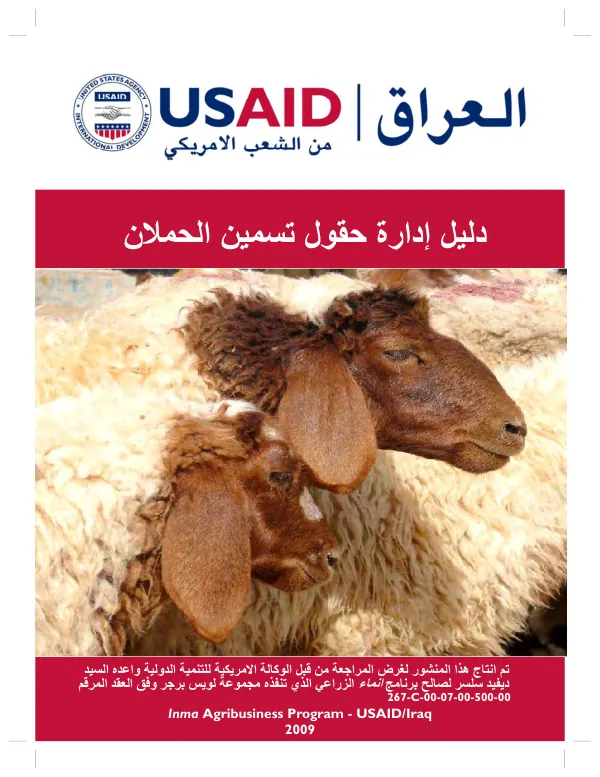
Abstract
The program began in 2009 and focused on enhancing the productivity and efficiency of the agricultural sector. The main purpose of the program was to increase the production and quality of crops, improve market access, and enhance the livelihoods of farmers. The program's scope included the development of agricultural infrastructure, provision of training and extension services to farmers, and facilitation of market linkage. The program also aimed to promote the use of modern agricultural practices, improve irrigation systems, and enhance the capacity of farmers to access markets. The program's geographic focus was on the provinces of Iraq, with a particular emphasis on the agricultural development of the Eastern Province. The program's timeframes were from 2009 to an unspecified date. Implementation of the program involved the establishment of demonstration plots, farmer training programs, and infrastructure development. The program also included the provision of inputs such as seeds, fertilizers, and irrigation equipment to farmers. The program's key findings and conclusions included the identification of soil degradation and limited market access as primary challenges facing farmers in Iraq. The program also found that the adoption of modern agricultural practices, such as composting and crop rotation, was high among farmers, particularly women-headed households. The program's methodology included the use of surveys, focus groups, and key informant interviews to gather data on the agricultural sector and farmers' needs. The program also used participatory approaches to involve farmers and other stakeholders in the decision-making process. The program's recommendations included the need for continued support to farmers to adopt modern agricultural practices, improve irrigation systems, and enhance market access. The program also recommended the establishment of a national agricultural extension service to provide training and extension services to farmers. The program's implementation details included the establishment of a project management unit to oversee the program's implementation, a technical advisory committee to provide technical guidance, and a monitoring and evaluation system to track the program's progress. The program's geographic context included the agricultural development of the Eastern Province, which was identified as a priority area for the program. The program's timeframes were from 2009 to an unspecified date. The program's conclusions included the identification of soil degradation and limited market access as primary challenges facing farmers in Iraq. The program also found that the
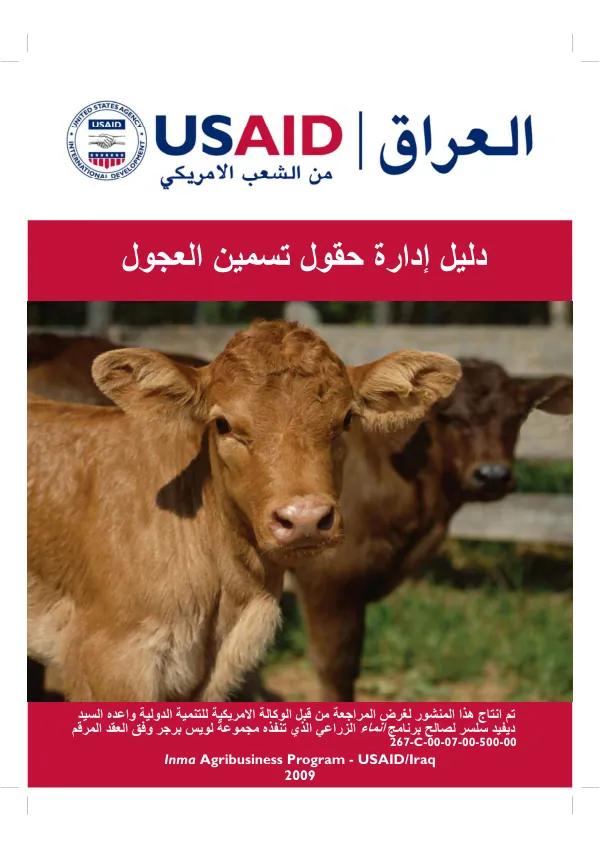
![Electricity regulation in iraq : issues and options [Arabic]](https://covers.devme.ai/gen/149080.webp)