USAID DEC
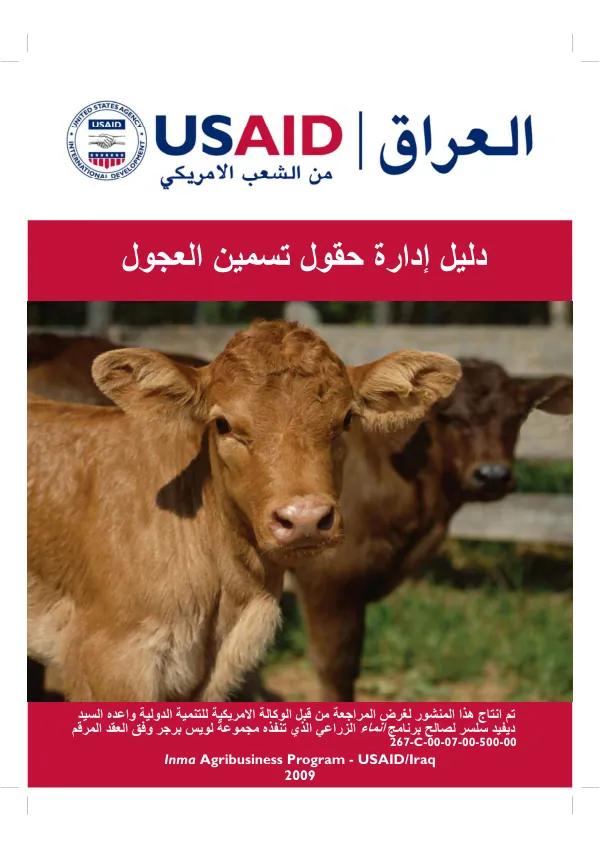
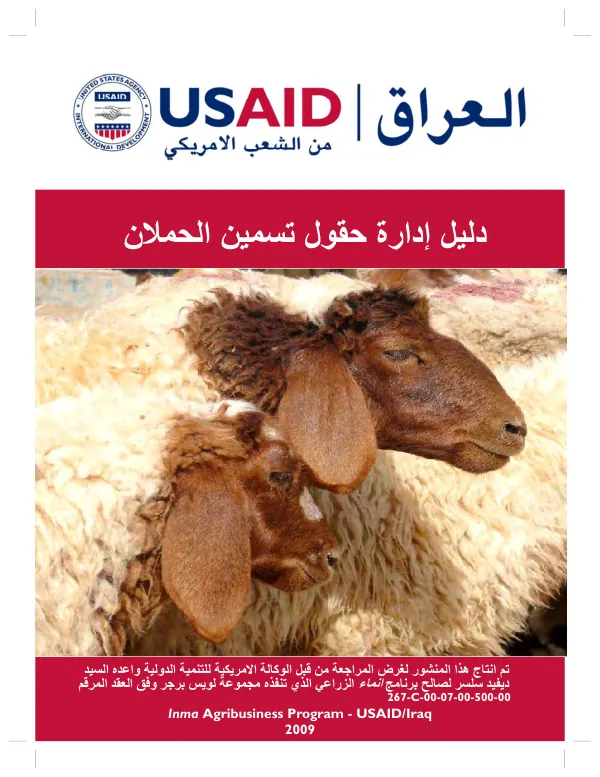
Inma Agribusiness Program - USAID/Iraq
The Inma Agribusiness Program is a USAID/Iraq initiative that began in 2009.
2009 · 40 pages
Sign in to readA free account is required to download.
Abstract
The program's main purpose is to improve agricultural development in Iraq, focusing on the agricultural sector's growth and development. The program's scope includes improving agricultural productivity, increasing market access, and enhancing the competitiveness of Iraqi agricultural products. The program's key findings and methodologies include the identification of soil degradation and limited market access as primary challenges in Eastern Province. To address these challenges, the program implemented three key interventions: farmer training programs, infrastructure development, and market linkage facilitation. The program's geographic focus is on Eastern Province, and its context is the post-conflict agricultural sector in Iraq. The program's timeframes and recommendations are not explicitly stated in the provided text. The program's implementation details include the establishment of demonstration plots, farmer training programs, and market linkage facilitation. The program's focus on sustainable agriculture techniques and market access interventions has led to improved crop yields and increased household income among program participants. The program's recommendations include the need for continued support for farmer training programs and market linkage facilitation. The program also recommends the establishment of a national agricultural extension service to provide technical assistance to farmers and promote the adoption of sustainable agriculture practices. The program's budget and funding sources are not explicitly stated in the provided text. However, the program is funded by USAID/Iraq, and its budget is likely allocated to support the implementation of the program's interventions and activities. The program's evaluation and monitoring framework includes the use of indicators to measure the program's impact and effectiveness. The program's evaluation team conducts regular assessments and surveys to monitor the program's progress and identify areas for improvement. The program's sustainability and scalability are critical to its long-term success. The program's interventions and activities are designed to be sustainable and scalable, with a focus on building the capacity of local stakeholders and promoting the adoption of sustainable agriculture practices. The program's impact on the agricultural sector in Iraq is significant, with improved crop yields and increased household income among program participants. The program's focus on sustainable agriculture techniques and market access interventions has also led to improved food security indicators and increased competitiveness of Iraqi agricultural products. The program's lessons learned and best practices include the importance of building the capacity of local stakeholders, promoting the adoption of sustainable agriculture practices, and providing technical assistance to farmers. The program's recommendations for future initiatives include the need for continued support for farmer training programs and market linkage facilitation, as well as the establishment of a national agricultural extension service to provide technical assistance to farmers and promote the adoption of sustainable agriculture practices.
![Electricity regulation in iraq : issues and options [Arabic]](https://covers.devme.ai/gen/149080.webp)