USAID
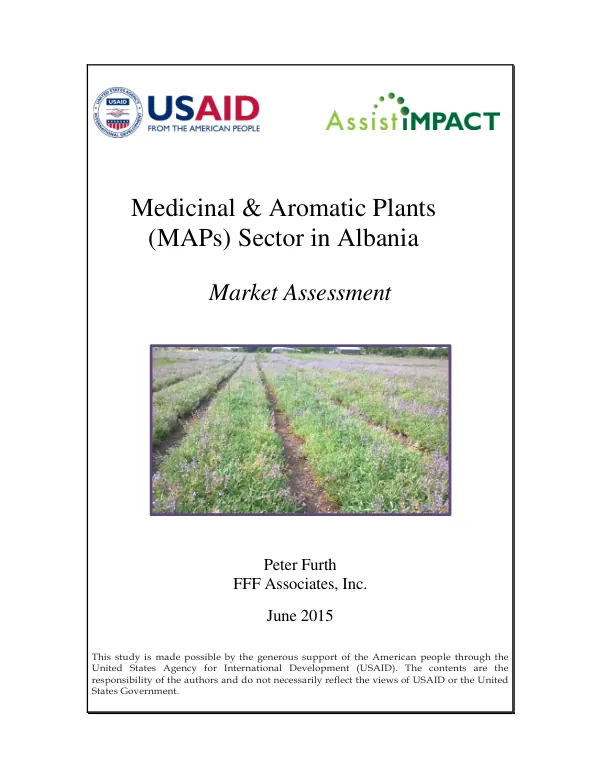
Final Report: Medicinal & Aromatic Plants Sector in Albania
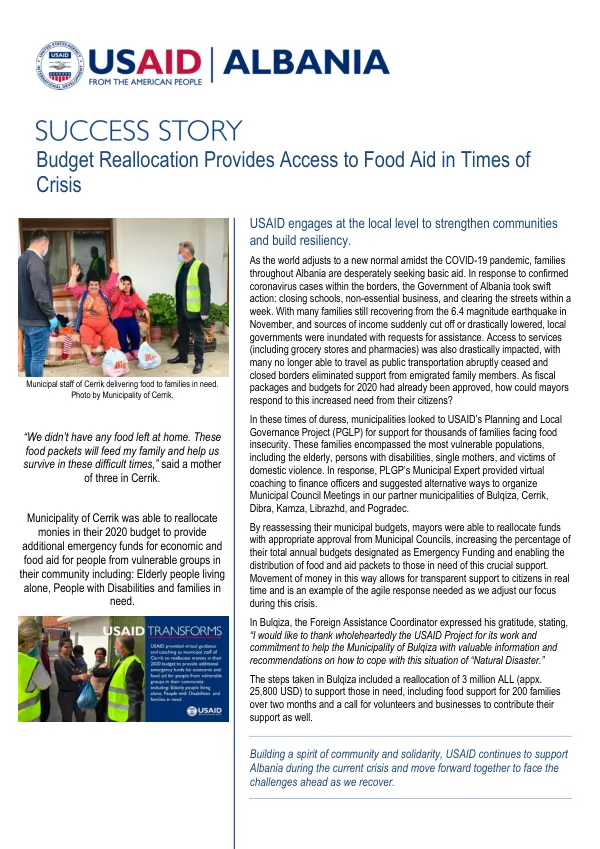
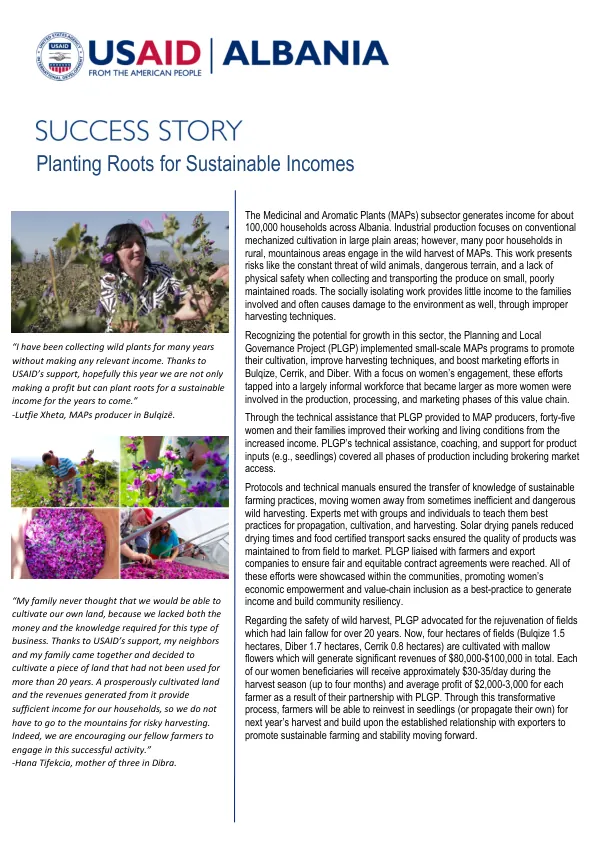
Medicinal and Aromatic Plants (MAPs) Sector in Albania is a significant contributor to the country's export, with exports estimated to account for between $27-28 million annually.
2015 · 32 pages
Sign in to readA free account is required to download.
Abstract
The sector provides income for thousands of families, with over 100,000 families involved in the sector. In Eastern Albania, MAP farming makes up nearly 35% of household income. The primary buyers of Albanian MAPs are in Europe and the United States, with the US being the largest importer of Albanian herbs and spices. Sage is the largest export item, with over 90% of US demand met by Albanian origin. The sector has opportunities for expansion by tapping into international demand, but key value chain actors require expertise to understand investments and other investments needed to develop the value chain as a business. Historically, MAPs have been one of the most significant export sectors in Albania, but there is a lack of reliable statistics on collection, cultivation, harvesting, production, and processing. Data on imports and supply chain knowledge allow for informed judgments on the sector's performance. Sage remains the most significant MAP product, with imports into the US increasing steadily over the last five years. The cultivation of MAPs has increased, particularly in the last five years, with a shift in practices and a focus on sage and lavender. However, the government's subsidies and policies have disrupted the free market, leading to a larger-than-normal stock and lower local prices. The quality of MAPs produced from Albanian material is excellent, but the government's actions have created a significant stock and harmed the sector. Wild collection of MAPs continues to be significant, with over 100,000 families deriving income from the sector. However, the lack of organization and poor post-harvest handling impede quality control and quality control is a major concern. The potential for adverse environmental impact remains a concern. Post-harvest handling and processing of MAPs have improved over the last ten to fifteen years, but the quality of incoming raw material remains poor, leading to yield losses of 40-50%. The sector lacks understanding of quality, market demands, and regulatory requirements, particularly with the implementation of the Food Safety and Modernization Act (FSMA) in the US. Numerous institutions have a serious interest in the MAPs sector, but the government has historically provided little support. Albania has a great knowledge base about MAPs, providing an asset for future benefits. Despite progress, there is still much to be done to improve quality, cleanliness, varieties, and incomes in the sector. Legislation and regulation are essential to address the industry's needs and improve the sector's performance. The Albanian government should take specific actions to support the industry and improve the sector's competitiveness.