USAID
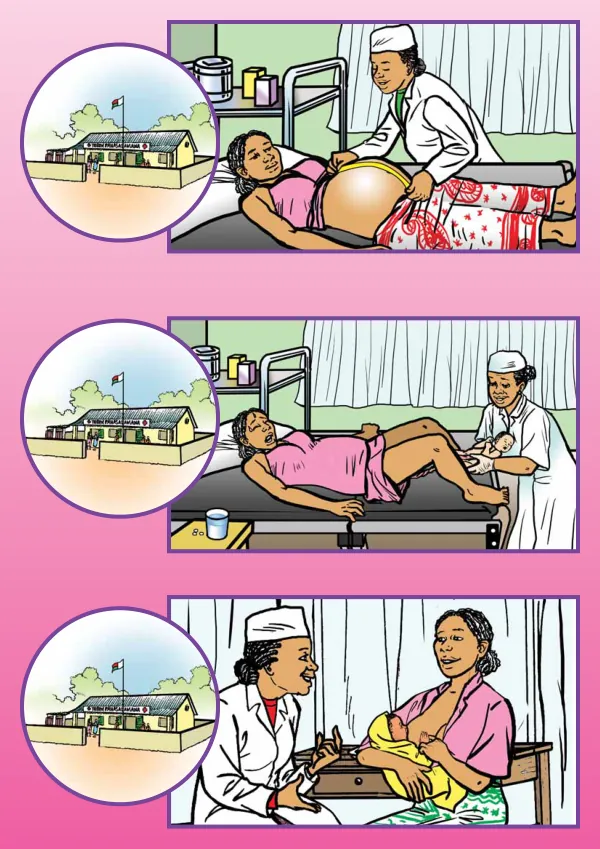
FOTO-KEVITRA: Ny vehivavy bevohoka dia mendrika ahazo fikarakarana avo lenta
The vaccination program against tetanus, diphtheria, and pertussis in Madagascar began in 2018 with the goal of protecting pregnant women and their newborns.
2 pages
Sign in to readA free account is required to download.
Abstract
The program aimed to reduce the risk of maternal and neonatal tetanus, which is a major cause of death among newborns. The vaccination campaign was conducted in four phases, targeting different regions of the country. The vaccination campaign was successful in reducing the risk of tetanus among pregnant women and their newborns. The campaign also helped to reduce the risk of eclampsia and postpartum hemorrhage, which are major causes of maternal mortality. The vaccination program was implemented in collaboration with local health authorities and international partners. The vaccination campaign was conducted in a phased manner, with each phase targeting a different region of the country. The campaign was successful in reaching a large number of pregnant women and their newborns, and in reducing the risk of tetanus and other complications associated with childbirth. The program also helped to improve the overall health of pregnant women and their newborns, and to reduce the risk of long-term health problems. The vaccination program was implemented in accordance with international guidelines and standards, and was monitored and evaluated regularly to ensure its effectiveness and safety. The program was also designed to be sustainable, with the goal of ensuring that pregnant women and their newborns continue to receive the necessary vaccinations and health care in the future. The vaccination program against tetanus, diphtheria, and pertussis in Madagascar has been successful in reducing the risk of maternal and neonatal tetanus, and in improving the overall health of pregnant women and their newborns. The program has also helped to reduce the risk of eclampsia and postpartum hemorrhage, and to improve the overall health of the population. The program's success has been attributed to its effective implementation, monitoring, and evaluation, as well as its collaboration with local health authorities and international partners.
Related documents
Documents in this collection
 2011
2011USAID DEC
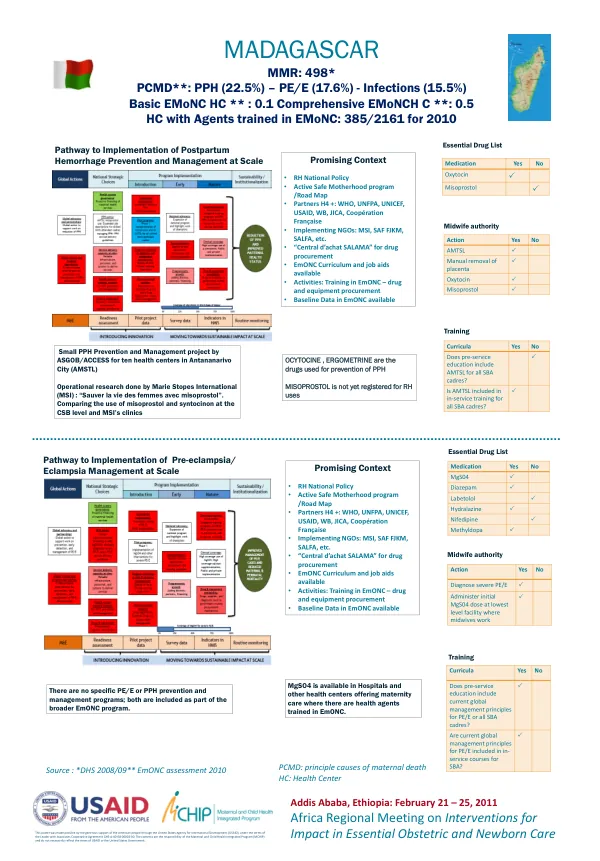
Pathway to Implementation of Pre-eclampsia/Eclampsia Management at Scale and Pathway to Implementation of Postpartum Hemorrhage Prevention and Management at Scale
Open record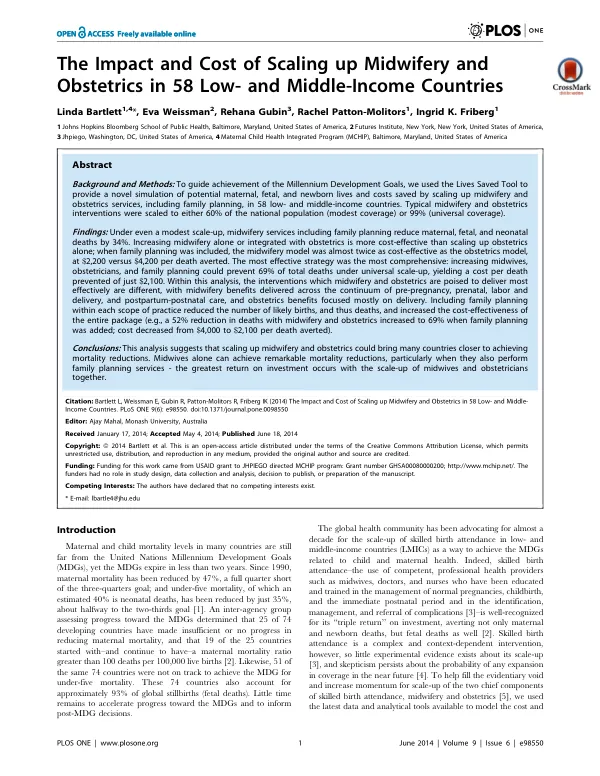 2014
2014USAID DEC
The Impact and Cost of Scaling up Midwifery and Obstetrics in 58 Low- and Middle-Income Countries
Open record