WORLD RELIEF CORPORATION
FY18 Q1 Report – Malawi Tiwalere II Project
The Malawi Tiwalere II project is a five-year initiative implemented through a consortium of for-profit corporations, non-governmental organizations, and USAID.
2018 · 41 pages
Sign in to readA free account is required to download.
Abstract
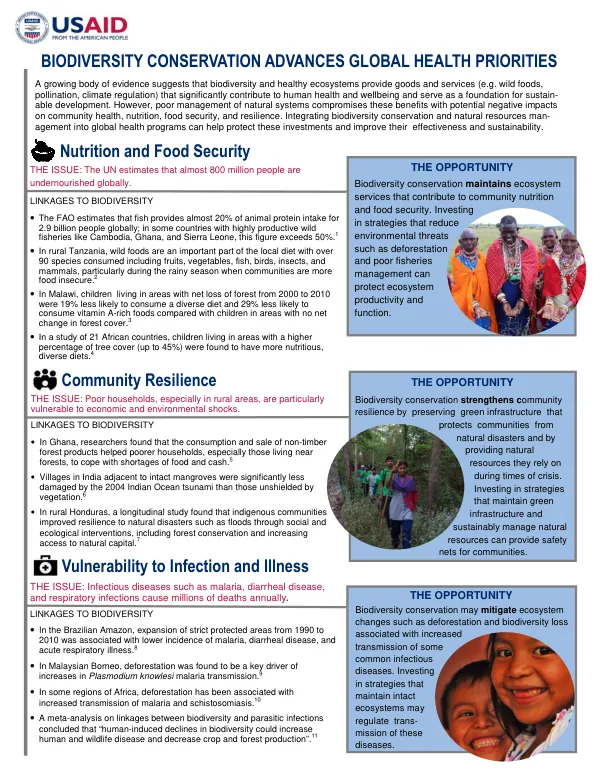
The project aims to improve the nutritional status of children under five years of age, pregnant and lactating women, and adolescent girls in 12 districts in Malawi by 2021. The project is being implemented in eight priority districts, where the full set of interventions is being provided, and four secondary districts, where support is being provided for Community-Based Childcare Centers (CBCCs) with the provision of Vitameal. The project has three Key Result Areas (KRAs): KRA 1, which focuses on improving nutrition and health of children under five years of age, pregnant and lactating women, and adolescent girls; KRA 2, which aims to increase availability and access to foods rich in micronutrients and protein among households with pregnant women and children under five years of age; and KRA 3, which seeks to improve adoption of essential hygiene actions and increase access to safe water among households with pregnant women and children under five years of age. The project has established partnerships with private sector partners, including NuSkin, Inc. and Proctor and Gamble, which provide significant quantities of commodities to the project in the form of Vitameal and PUR, respectively. The project has also established a strong partnership with the Government of Malawi, which has provided support and guidance throughout the project implementation. During the first quarter of FY18, the project made significant progress in implementing its interventions. In the eight priority districts, the project provided training to community leaders and health workers on nutrition and hygiene practices, and established Community-Based Childcare Centers (CBCCs) to provide care and support to children under five years of age. In the four secondary districts, the project provided support for CBCCs and distributed Vitameal to children under five years of age. The project also made progress in integrating its interventions with existing government programs and services. The project worked closely with the Department of Nutrition, HIV and AIDS to integrate its nutrition and hygiene interventions with the government's nutrition and HIV/AIDS programs. The project also worked with the Ministry of Health to integrate its health interventions with the government's health programs. Despite the progress made, the project faced several challenges during the first quarter of FY18. The project encountered difficulties in recruiting and retaining community health workers, particularly in the rural areas. The project also faced challenges in accessing funding for its interventions, particularly in the secondary districts. The project has taken several actions to address these challenges. The project has increased its efforts to recruit and retain community health workers, particularly in the rural areas. The project has also increased its efforts to access funding for its interventions, particularly in the secondary districts. The project has also established a strong monitoring and evaluation system to track its progress and identify areas for improvement. The project has made significant progress in achieving its KRAs during the first quarter of FY18. The project has reached over 100,000 children under five years of age, pregnant and lactating women, and adolescent girls with its nutrition and hygiene interventions. The project has also established over 100 CBCCs in the eight priority districts, which are providing care and support to children under five years of age. The project has also made progress in increasing availability and access to foods rich in micronutrients and protein among households with pregnant women and children under five years of age. The project has distributed over 10,000 bags of Vitameal to children under five years of age in the four secondary districts. The project has also made progress in improving adoption of essential hygiene actions and increasing access to safe water among households with pregnant women and children under five years of age. The project has established over 100 handwashing facilities in the eight priority districts, which are providing access to safe water and promoting hygiene practices among households with pregnant women and children under five years of age. Overall, the Malawi Tiwalere II project has made significant progress in achieving its KRAs during the first quarter of FY18. The project has established strong partnerships with private sector partners and the Government of Malawi, and has made significant progress in implementing its interventions. However, the project still faces several challenges, including difficulties in recruiting and retaining community health workers, and accessing funding for its interventions. The project has taken several actions to address these challenges, and is committed to continuing its efforts to achieve its KRAs.