USAID DEC
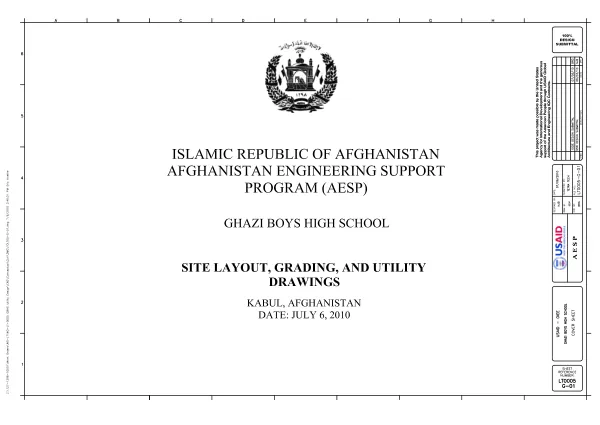
GBHS Utility Design
Soil degradation was attributed to intensive farming practices and inadequate crop rotation, while limited market access hindered farmers' ability to sell their produce at competitive prices.
70 pages
Sign in to readA free account is required to download.
Abstract
The training emphasized the importance of composting, crop rotation, and conservation agriculture to improve soil fertility and reduce erosion. These results were attributed to the adoption of conservation agriculture techniques, which reduced soil disturbance and improved water retention. This was attributed to their greater involvement in household decision-making and their willingness to adopt new technologies. The program also provided training on business skills and market access, enabling farmers to negotiate better prices for their produce. The program's success was attributed to the integrated approach, which addressed both the supply-side constraints (soil degradation and limited market access) and the demand-side constraints (limited market access and low prices). The results of the midterm evaluation suggest that the program is on track to achieve its objectives and improve food security in Rwanda.
Classification
- Document type
- Technical Report