INTEC
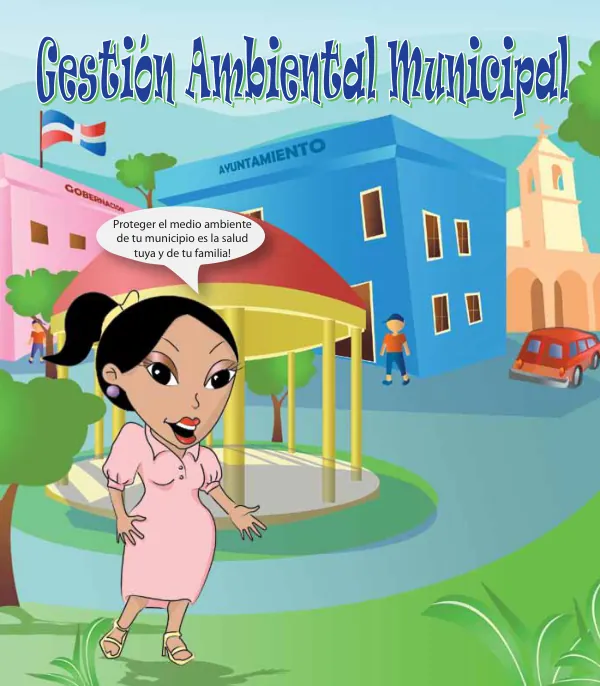
Gestión Ambiental Municipal
The Ley 64-00 sobre Medio Ambiente y Recursos Naturales and the Ley de Municipios 176-07 establish the framework for municipal environmental management in the Dominican Republic.
2011 · 8 pages
Sign in to readA free account is required to download.
Abstract
These laws grant citizens the right to actively participate in the management of their territory. The Ley 64-00 creates the Unidades de Gestión Ambiental municipal (UGAMs), which are responsible for supervising, coordinating, and monitoring environmental policies, plans, programs, projects, and actions within the municipality. The UGAMs are the offices in charge of managing the environment within the municipality. Their functions include elaborating norms for the preservation of the environment, developing education programs for waste management, establishing regulations for the use of public spaces, and providing opinions to the Ministry of Environment on projects to be implemented in the municipality. The Ley Municipal 176-07 emphasizes the importance of citizen participation in environmental decision-making, stating that any decision regarding environmental management must be made with the participation of the population. The Ley 176-07 also outlines mechanisms for citizen participation, including voting, attending municipal meetings, and participating in budget decisions. Citizens are encouraged to inform themselves about the topics to be discussed, express themselves respectfully, propose solutions, and commit to being part of the solutions. This participatory approach is essential for effective municipal environmental management. The Ley 64-00 and Ley de Municipios 176-07 demonstrate the commitment of the Dominican government to environmental protection and citizen participation. The creation of UGAMs and the emphasis on citizen participation reflect a shift towards more inclusive and sustainable environmental management practices. By involving citizens in the decision-making process, municipalities can better address environmental challenges and promote a culture of sustainability. The Ley 176-07 also highlights the importance of education and awareness-raising in environmental management. The development of education programs for waste management and the establishment of regulations for the use of public spaces demonstrate a commitment to promoting environmentally responsible behaviors among citizens. By educating citizens about the importance of environmental protection, municipalities can foster a sense of responsibility and ownership among residents, leading to more effective environmental management practices. The Ley 64-00 and Ley de Municipios 176-07 have significant implications for municipal environmental management in the Dominican Republic. By establishing a framework for citizen participation and environmental protection, these laws provide a foundation for sustainable development and environmental stewardship. The creation of UGAMs and the emphasis on citizen participation reflect a commitment to more inclusive and effective environmental management practices, which can help to address the complex environmental challenges facing municipalities in the Dominican Republic.
Related documents