GOVERNMENT OF MALAWI
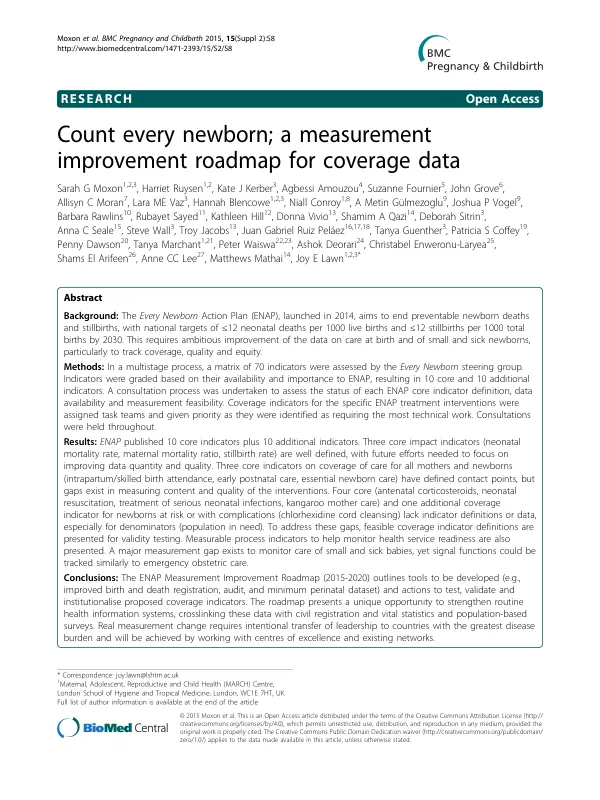
Global Waters Newsletter - August 2011
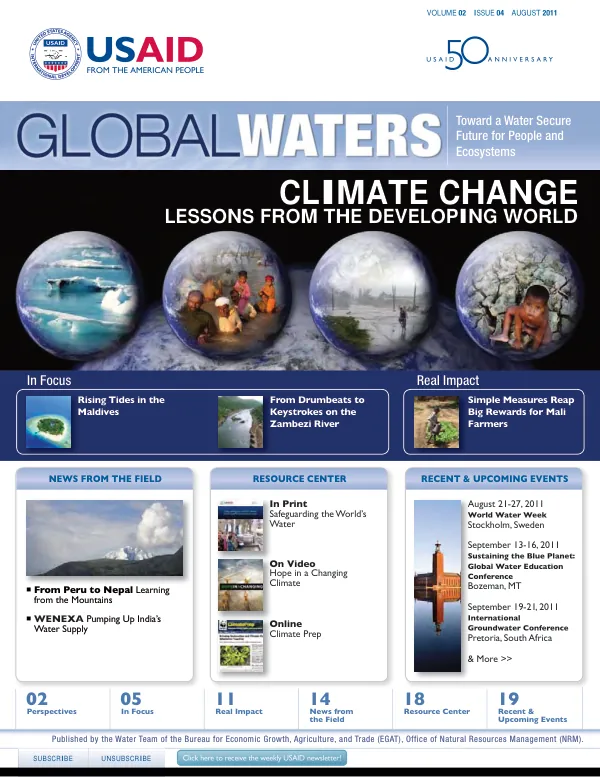
Climate change poses a serious threat to the world's water security, particularly in developing countries.
2011 · 19 pages
Sign in to readA free account is required to download.
Abstract
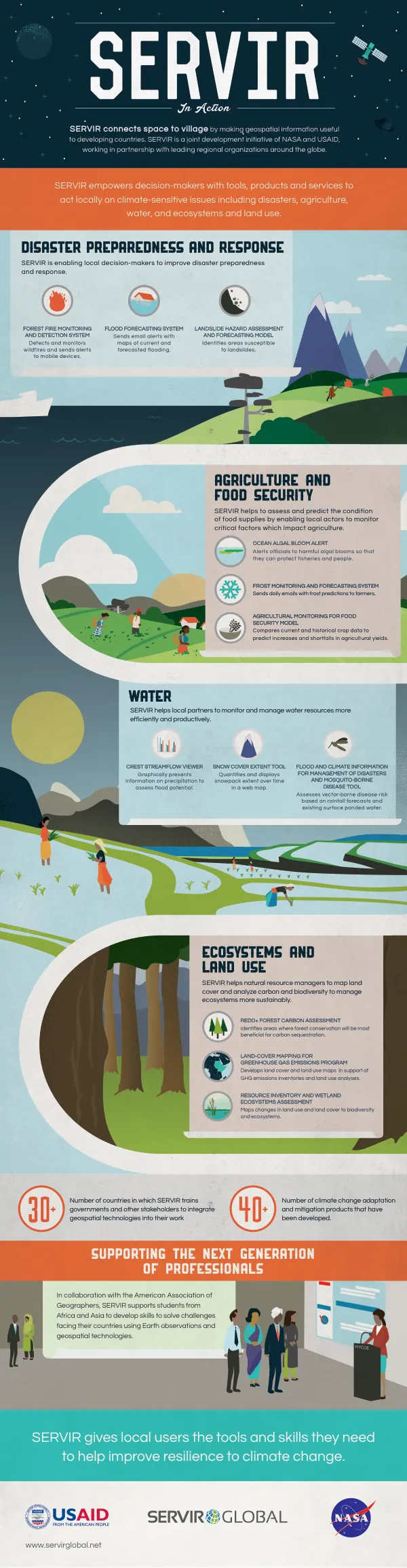
Rising temperatures, changing precipitation patterns, and increased sea surface temperatures are exacerbating water scarcity and flooding in many regions. The impacts of climate change on water resources are far-reaching, affecting the livelihoods, health, and well-being of millions of people. Water security is a critical component of sustainable development, and its link to climate change is undeniable. Climate change is a fundamental, multi-sectoral, and multi-disciplinary development issue, with serious implications for the sustainability of every nation's development agenda. Development efforts for the coming century require science-based solutions that consider the following: increasingly variable future climate, taking into account water demands from multiple development priorities such as energy and agriculture, evaluation of water resources and reservoirs above and below ground, utilization of emerging innovative opportunities such as indexed insurance and payments for ecosystems services, and addressing stakeholders' preferences and economic opportunities. The USAID is working to address the challenges posed by climate change on water security through various initiatives. The agency is informing water resources management efforts through increased access and capacity for the use of future scenarios, enabling stakeholders to better understand the increasing vulnerabilities they may face and identify their own path forward. Combining traditional and proven best practices with the latest technology and research offers a multitude of solutions to addressing water concerns exacerbated by climate change. The "Peaks to Coast" Program in Peru unites scientists from the Andes in Peru and the Himalayas in Nepal to share information and possible solutions to impending glacial melt on two vastly different mountain ranges. The Soil Management Collaborative Support Program in Mali is co-funded by USAID and the University of Hawaii, promoting innovative farming techniques to reduce soil erosion and increase crop yields without compromising the agro-ecosystem. The Maldives, the lowest country on the planet, presents unique challenges for water-security and climate resiliency. The country is vulnerable to rising sea levels, storm surges, and saltwater intrusion to coastal aquifers. USAID is working with the Government of the Maldives to develop 'resilient islands' through a new program. A collaborative effort is underway by USAID and national meteorological and hydrological services to support an initiative assessing flood early warning, technical, institutional, and institutional capacity-building issues related to flood preparedness in the Zambezi River basin. The Water Energy Nexus (WENEXA) initiative in India aims to conserve energy and water resources, reduce greenhouse gas emissions, lower costs, and increase income for farmers. The development community will need to apply both traditional stakeholder engagement and innovations from science, technology, and technology to increase economic opportunity, stability, and human well-being. USAID's goal is to find long-term solutions that address the challenges of creating a water-secure world within the context of the many additional challenges brought by climate change. The Maldives, with an average elevation of 1.5 meters above sea level, is the lowest country on the planet. It is also ground zero in the struggle against rising sea levels associated with climate change. The country is home to about 400,000 Maldivians, who live on a chain of 1,200 tropical islands and coral atolls stretched across the Indian Ocean. In 2004, the Indian Ocean tsunami washed over 20 islands, and today they keep a lookout for increasing storm surges that erode beaches and swamp local communities. UN scientists predict sea level rise of up to one meter by the end of the century, which would result in the disappearance of many low-lying islands in the Maldives and cause seawater to flood coastal aquifers. The global climate change community is watching this microcosm of challenges closely.
Related documents