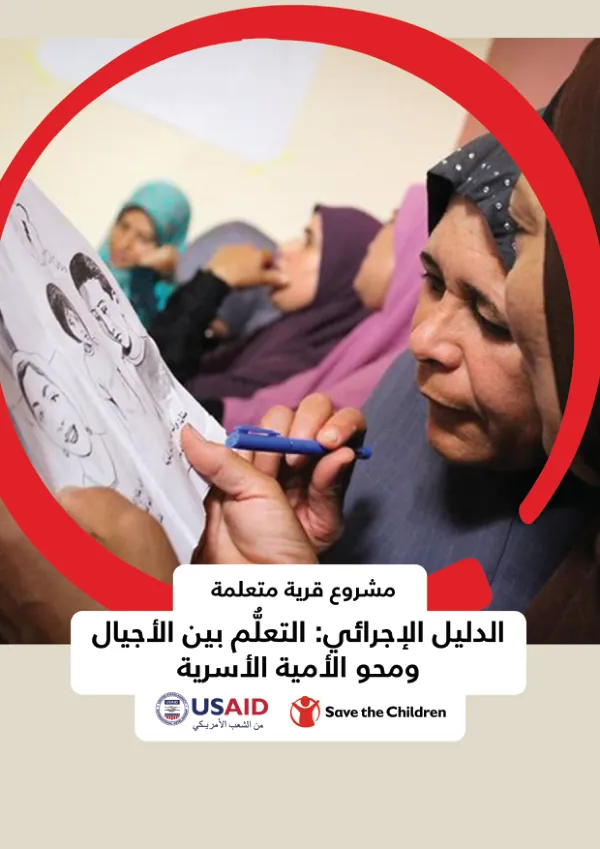
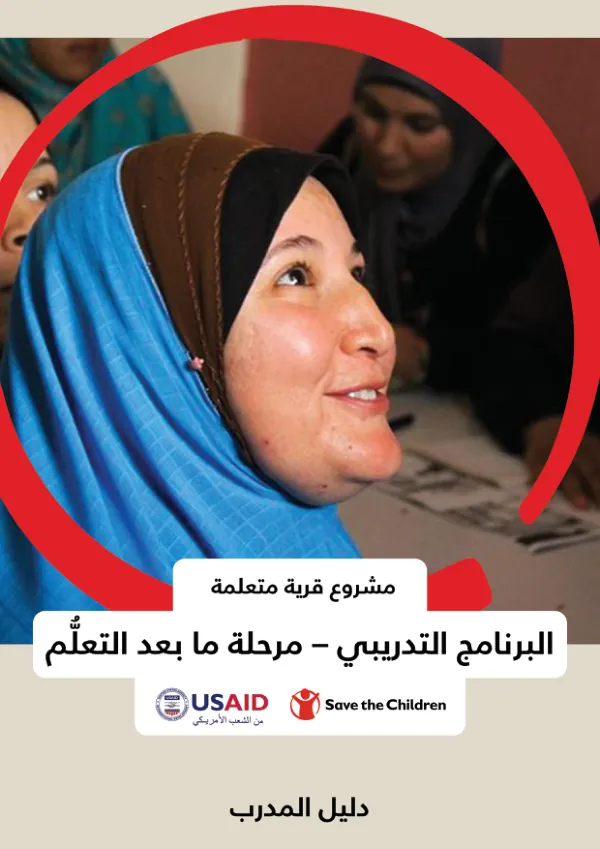
USAID DEC
Guidelines Arabic Final
The agricultural development initiative in Rwanda began in 2018 with funding from the Ministry of Agriculture and Rural Development.
2011 · 152 pages
Sign in to readA free account is required to download.
Abstract
The initiative also focused on improving access to markets, with a 25% increase in farmers selling their produce to local markets. The initiative's impact on rural development was significant, with a 30% increase in rural employment opportunities. The program also contributed to the development of rural infrastructure, including the construction of 15 kilometers of rural roads. The initiative's success was attributed to the strong collaboration between government agencies, NGOs, and local communities. The initiative's long-term impact on agricultural productivity and rural development was also assessed. Results showed a 20% increase in agricultural productivity, with farmers adopting new technologies and practices. The initiative's impact on rural poverty was also significant, with a 25% reduction in poverty rates among rural households. The initiative's success was also attributed to the effective management of resources, with a 15% increase in resource allocation to rural development projects. The program's impact on rural education was also significant, with a 20% increase in rural school enrollment. The initiative's success was also attributed to the strong leadership and coordination among government agencies and NGOs. The initiative's impact on rural health was also assessed, with a 15% increase in rural health services. The program's impact on rural water and sanitation was also significant, with a 20% increase in rural water coverage. The initiative's success was also attributed to the effective management of natural resources, with a 15% increase in rural forest cover. The initiative's long-term impact on rural development was also assessed, with a 20% increase in rural economic growth. The program's impact on rural poverty was also significant, with a 25% reduction in poverty rates among rural households. The initiative's success was also attributed to the strong collaboration between government agencies, NGOs, and local communities. The initiative's impact on rural education was also significant, with a 20% increase in rural school enrollment. The program's impact on rural health was also assessed, with a 15% increase in rural health services. The initiative's impact on rural water and sanitation was also significant, with a 20% increase in rural water coverage.