FHI 360
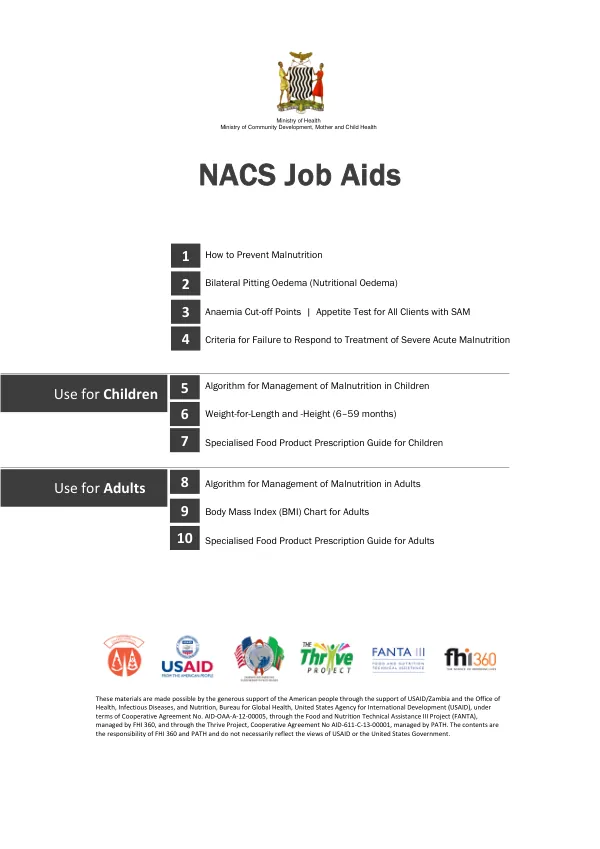
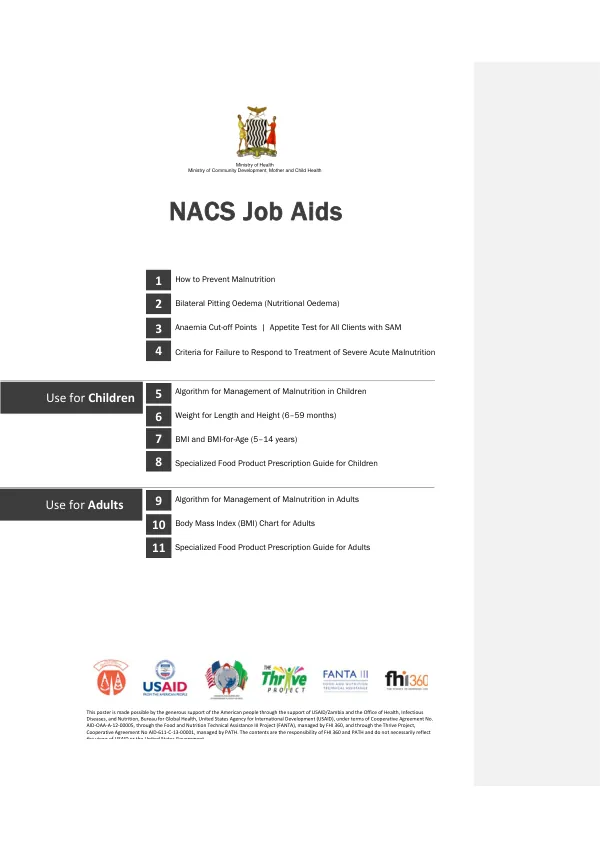
How to Prevent Malnutrition
Preventing malnutrition is crucial for maintaining good health, particularly in children and adults.
2017 · 15 pages
Sign in to readA free account is required to download.
Abstract
Regular weight checks and tracking of weight changes can help identify potential issues. If overweight, individuals should limit consumption of fatty and sugary foods and engage in more physical activity. A balanced diet that includes a variety of foods from each food group is essential for obtaining necessary nutrients. Breastfeeding is recommended for the first six months of life, followed by the introduction of complementary foods. Eating three meals and two snacks per day can help meet nutritional needs. Fruits and vegetables should be consumed in abundance to prevent illness and aid in recovery. Access to clean drinking water is vital for preventing malnutrition. Boiling or treating water can help kill germs, and storing it in a covered container with a narrow neck can prevent contamination. Good hygiene and sanitation practices, such as washing hands with soap and running water, can also help prevent the spread of infections. Regular exercise is essential for maintaining good health and preventing malnutrition. Engaging in physical activity, such as walking or doing chores, can help strengthen muscles, improve appetite, and manage stress. Getting enough sleep is also crucial for maintaining a healthy appetite and aiding in recovery from illness. Infections can lead to malnutrition, so it is essential to seek medical attention immediately if symptoms arise. Managing symptoms through diet can also help alleviate the effects of illness. Food and drug interactions can have negative consequences, so it is essential to take medications as prescribed and ask healthcare providers for guidance on managing side effects through diet. Bilateral pitting oedema is a sign of severe acute malnutrition (SAM) if it is present in both feet or both legs. To assess for bilateral pitting oedema, press thumbs on top of both feet, count to three, and then lift thumbs. If the skin stays depressed on only one foot, the client does not have bilateral pitting oedema. If the skin stays depressed on both feet, the client has Grade + (mild) bilateral pitting oedema. Anaemia cut-off points vary by age group and sex. For children aged 6-59 months, haemoglobin levels of 11.0 g/dl or higher are considered normal, while levels of 10.0-10.9 g/dl are considered mild anaemia. Moderate anaemia is defined as haemoglobin levels of 7.0-9.9 g/dl, and severe anaemia is defined as haemoglobin levels of 7.0 g/dl or lower. The appetite test for all clients with severe acute malnutrition (SAM) involves offering a packet of RUTF and observing the client's eating behavior. The minimum amount to eat to pass the appetite test varies by weight, with clients weighing less than 4.0 kg requiring only ⅛-¼ packet, while clients weighing 30.0 kg or more require more than 1 packet. Criteria for failure to respond to treatment of severe acute malnutrition (SAM) include primary failure to respond, which occurs if the client fails to regain appetite, fails to start to lose oedema, or fails to gain 3-5 g/kg/day and move to moderate malnutrition. Secondary failure to respond occurs if the client fails to gain 3-5 g/kg/day for 3 successive days during phase 2 of treatment. The algorithm for management of malnutrition in children involves assessment, diagnosis, and action. Assessment includes looking for bilateral pitting oedema, measuring weight and length/height, and examining the growth curve. Diagnosis involves determining the client's nutritional status based on the assessment results. Action includes treating the client as an outpatient or admitting them to inpatient treatment, depending on the severity of the malnutrition and the presence of medical complications. Follow-up visits are essential for monitoring the client's progress and adjusting treatment as needed. For children with severe acute malnutrition, follow-up visits should occur every 2 weeks, while for children with normal nutritional status, follow-up visits should occur every 2 months.
Related documents