USAID
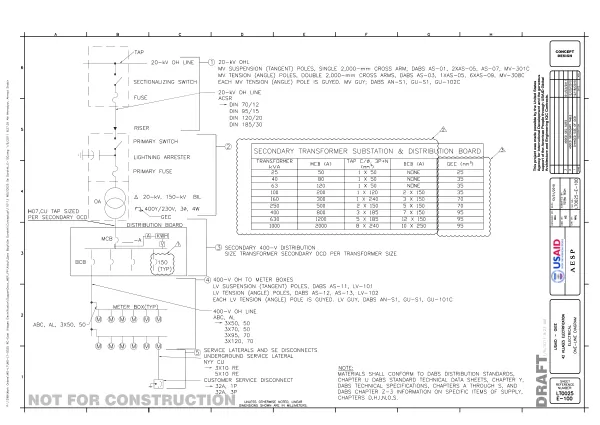
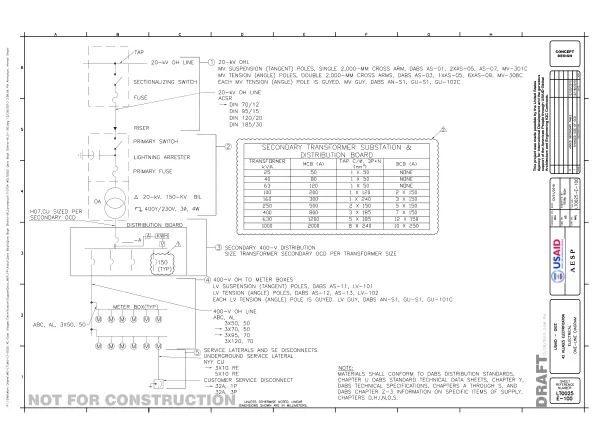
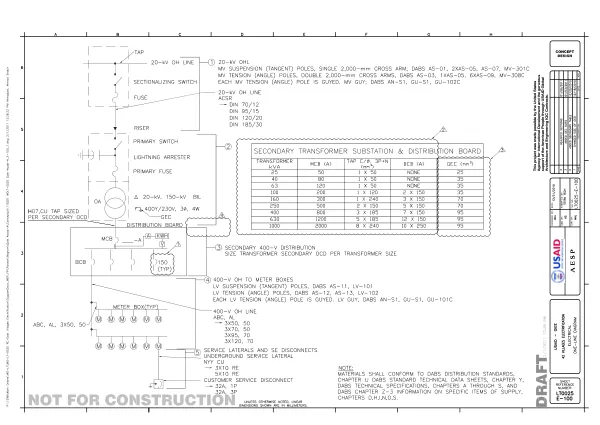
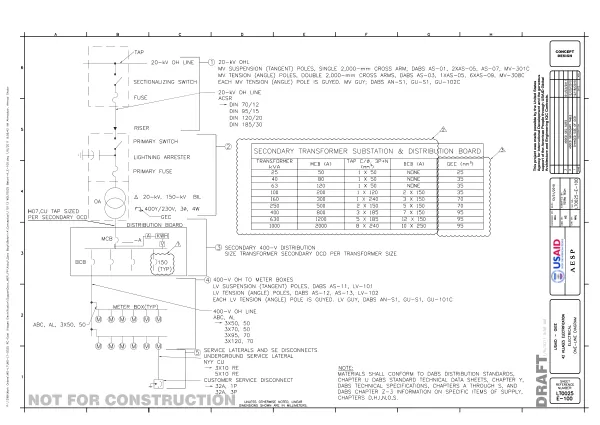
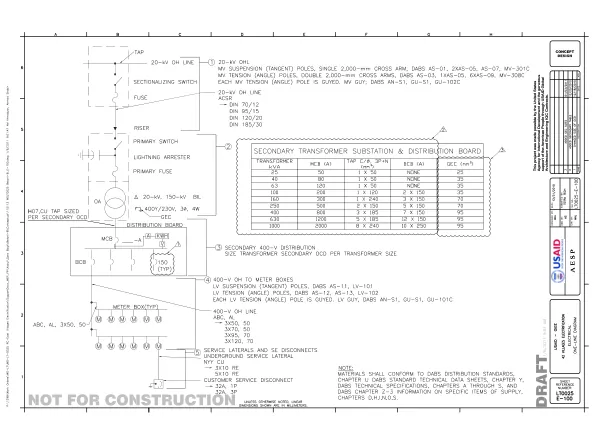
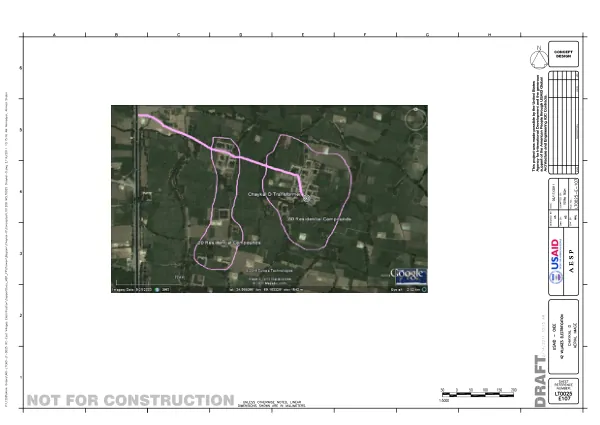
Kabul Mir Bacha Kot District Electrification
The region's agricultural sector was characterized by small-scale farming, with the majority of farmers relying on rain-fed agriculture and lacking access to modern inputs and technologies.
3 pages
Sign in to readA free account is required to download.
Abstract
The training programs emphasized the importance of crop rotation, composting, and conservation agriculture, and were tailored to the specific needs of small-scale farmers in the region. The initiative's focus on women-headed households was a deliberate effort to address the disproportionate impact of poverty and food insecurity on women in rural Rwanda. The evaluation also highlighted the importance of market linkage facilitation in increasing farmers' access to markets and improving their bargaining power. The initiative's success in improving food security and household income has been recognized as a model for agricultural development in other parts of Africa. The initiative's impact on the environment was also a key consideration, with a focus on reducing soil erosion and promoting sustainable land management practices. The use of conservation agriculture and crop rotation techniques has helped to reduce the need for synthetic fertilizers and pesticides, and has improved soil health and fertility. The initiative's success in promoting sustainable agriculture practices has also helped to reduce the region's dependence on external inputs and has improved the resilience of the agricultural sector to climate change.
Connected topics