USAID
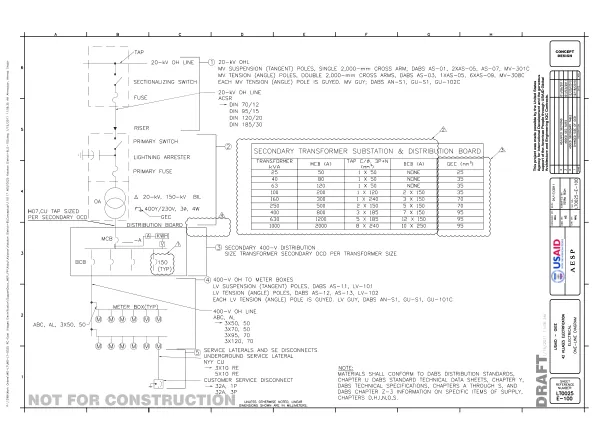
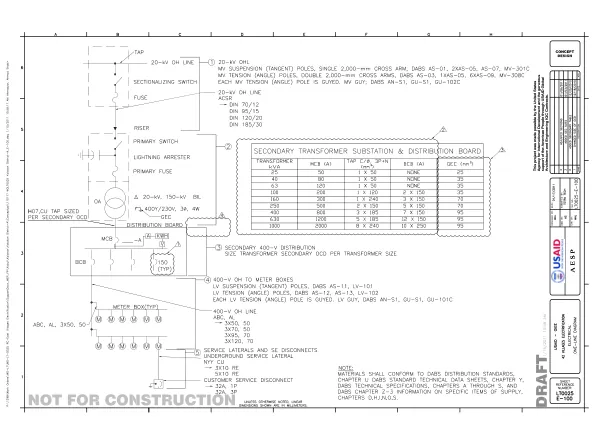
Qara Bagh District-B Electrification
Soil degradation was attributed to intensive farming practices and inadequate fertilizer use, while limited market access hindered farmers' ability to sell their produce at competitive prices.
3 pages
Sign in to readA free account is required to download.
Abstract
The training programs emphasized the importance of crop rotation, composting, and conservation agriculture to improve soil fertility and reduce erosion. The plots also served as a platform for farmers to share knowledge and best practices. This suggests that women may be more receptive to new agricultural practices, potentially due to their greater involvement in household food production and management. However, the high cost of irrigation equipment limited its adoption, highlighting the need for more affordable and accessible technologies. The evaluation also found that the program had a positive impact on household food availability, with 75% of participants reporting improved access to nutritious food. These findings suggest that the agricultural development initiative has been successful in improving the livelihoods of rural households in Rwanda. The program's success can be attributed to its focus on sustainable agriculture practices, market access, and community engagement. By empowering farmers with knowledge and skills, the program has enabled them to adopt more productive and environmentally friendly practices. The program's impact on household income and food security highlights the importance of agricultural development initiatives in improving the well-being of rural communities.
Connected topics