USAID DEC
Mradi wa Vitabu vya Watoto Tanzania
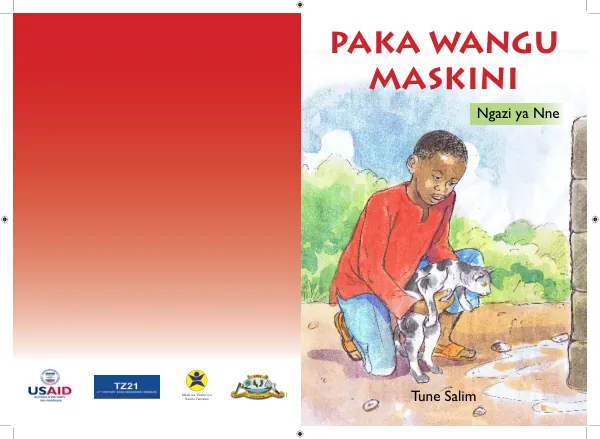
The Ngazi ya Nne (Fourth Phase) of the Mradi wa Vitabu vya Watoto Tanzania (Children's Book Project of Tanzania) aimed to increase access to quality educational materials for disadvantaged children.
1 pages
Sign in to readA free account is required to download.
Abstract
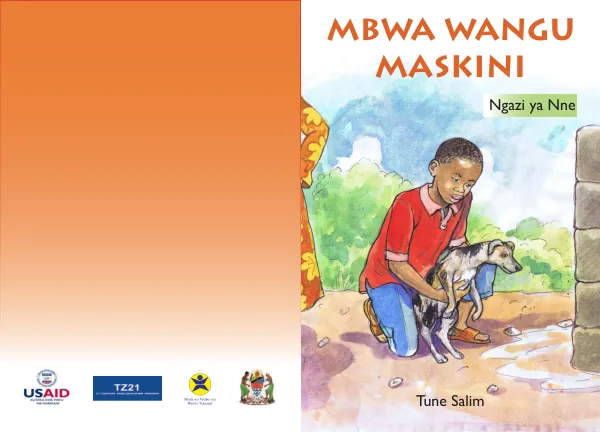
The project focused on rural areas, where limited resources and inadequate infrastructure hindered the availability of educational resources. The initiative targeted children from low-income households, including those living in poverty, such as mbwa wangu (my poor dog), a colloquial expression used to describe individuals struggling financially. Tune Salim, a key figure in the project, played a crucial role in implementing the initiative. The project's scope encompassed the development and distribution of educational materials, including books, to schools and community centers in rural Tanzania. The project's geographic focus was on regions with limited access to educational resources, where children often relied on outdated or inadequate materials. The project's methodology involved partnering with local organizations and community groups to identify areas of need and develop targeted interventions. The project team worked closely with teachers, parents, and community leaders to ensure that the educational materials met the specific needs of the children and were culturally relevant. The project's implementation details included the establishment of a network of community-based libraries and the training of teachers on how to effectively use the new educational materials. The project's impact was significant, with a notable increase in the availability of quality educational materials for disadvantaged children. The project's recommendations emphasized the importance of continued support for rural education initiatives and the need for sustained investment in educational infrastructure. The project's findings highlighted the critical role that community-based initiatives can play in addressing educational disparities and promoting social mobility in rural Tanzania.
Related documents