AVSI FOUNDATION
Nutrition and Water, Sanitation, and Hygiene Assessment
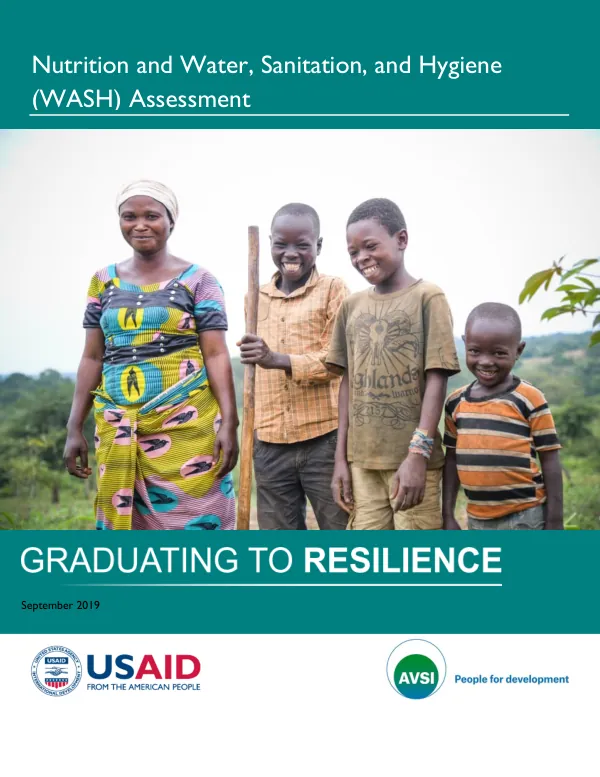
Nutrition and Water, Sanitation, and Hygiene (WASH) Assessment in Uganda was conducted in September 2019.
2019 · 122 pages
Sign in to readA free account is required to download.
Abstract
The assessment aimed to understand the knowledge, attitudes, and practices of communities in relation to nutrition and WASH. The study was implemented by AVSI Foundation in partnership with Graduating to Resilience, with funding from the United States Agency for International Development (USAID) under the Office of Food for Peace. The assessment employed a mixed-methods approach, combining literature review, qualitative data collection through focus group discussions and key informant interviews. The study aimed to gather information on infant feeding, young child feeding, nutrition during pregnancy and lactation, and WASH practices. The assessment also sought to identify challenges and solutions related to these topics. Infant feeding practices in the study area were found to be influenced by poverty, lack of access to food, and limited knowledge about proper feeding practices. The study revealed that many mothers in the area did not exclusively breastfeed their infants, and those who did often stopped breastfeeding too early. The assessment also found that infant feeding knowledge and attitudes were influenced by cultural and social factors. Young child feeding practices were also found to be influenced by poverty and lack of access to food. The study revealed that many children in the area were not fed a diverse diet, and those who were often suffered from malnutrition. The assessment also found that young child feeding knowledge and attitudes were influenced by cultural and social factors. Nutrition during pregnancy and lactation was found to be a critical area of concern in the study area. The study revealed that many pregnant and lactating women in the area did not receive adequate nutrition, leading to malnutrition and related health problems. The assessment also found that nutrition during pregnancy and lactation knowledge and attitudes were influenced by cultural and social factors. WASH practices in the study area were found to be influenced by poverty, lack of access to sanitation facilities, and limited knowledge about proper hygiene practices. The study revealed that many households in the area did not have access to safe water, and those who did often did not use it for drinking, cooking, or personal hygiene. The assessment also found that WASH knowledge and attitudes were influenced by cultural and social factors. The assessment also examined the status of health service provision in the study area, including antenatal care (ANC) and prenatal supplements. The study revealed that many pregnant women in the area did not receive adequate ANC, leading to poor health outcomes. The assessment also found that prenatal supplements were not widely available or accessible to pregnant women in the area. Overall, the assessment highlighted the need for improved nutrition and WASH practices in the study area. The study recommended that interventions focus on improving access to safe water, sanitation facilities, and nutrition education. The assessment also recommended that interventions target vulnerable populations, including pregnant and lactating women, infants, and young children.