USAID
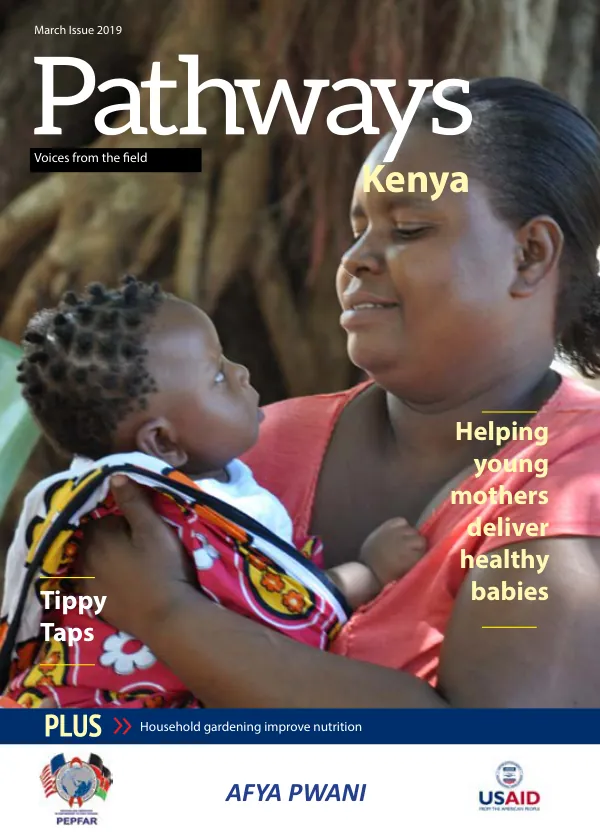
Afya Pwani: Helping Young Mothers Deliver Healthy Babies
The Afya Pwani project is a community-based public health initiative aimed at improving the health and well-being of young mothers and expectant girls in rural Kenya.
2019 · 8 pages
Sign in to readA free account is required to download.
Abstract
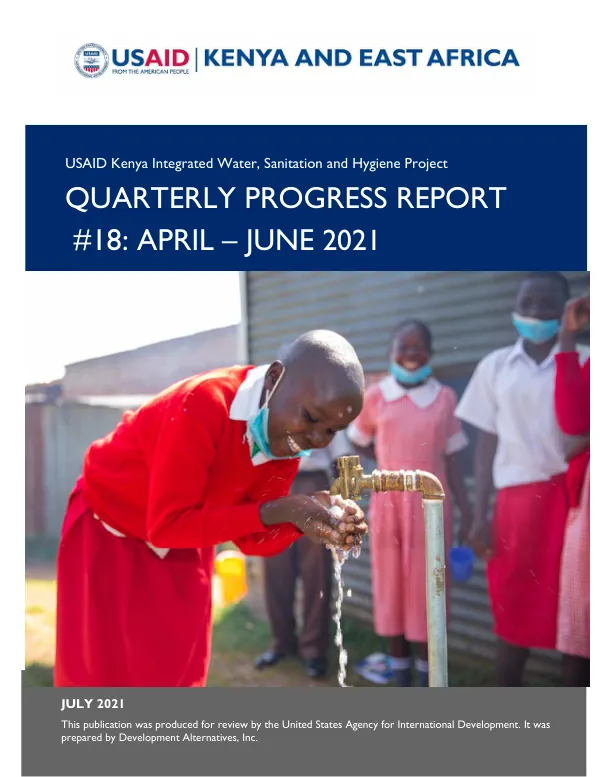
The project is funded by the United States Agency for International Development (USAID) and focuses on increasing access to antenatal care, skilled delivery, and postnatal care for young mothers and expectant girls. One of the key strategies employed by the Afya Pwani project is the Binti kwa Binti group, a peer support structure that empowers young mothers and expectant women aged below 24 years on the importance of antenatal care, skilled delivery, and postnatal care. The Binti kwa Binti group consists of different cohorts of pregnant women and young mothers, who are grouped based on their ANC visits and meet regularly to discuss various topics, including complications in pregnancy, healthy diet, and prepartum care. The project also focuses on improving access to sanitation and hygiene practices among young mothers and expectant girls. In partnership with schools, the project has installed tippy taps, simple and economical handwashing stations made from locally available materials, to promote handwashing practices among pupils. The use of tippy taps has made children embrace handwashing practices since they find it not only enjoyable but also convenient, easy to install and use. The Afya Pwani project has also implemented the School Led Total Sanitation (STLS) and Community Led Total Sanitation (CLTS) approach, which is a key strategy towards realizing the rural open defecation free Kenya roadmap by 2020. Through this approach, communities in Mwaeba and its environs are beginning to learn the effects of open defecation on their health and well-being and are encouraged to come up with sustainable solutions towards achieving Zero Open Defecation status. The project has also seen significant improvements in household income among program participants compared to the control group, with a 27% increase in household income reported. The Afya Pwani project has been recognized for its efforts in promoting good sanitation practices, with the school and village being recognized by the officials from the County Health Department for good sanitation practices. The project has also been praised for its innovative approach to promoting handwashing practices among children, with the use of tippy taps being cited as a key factor in reducing the incidence of diarrhea and other related diseases. The project's success can be attributed to its focus on empowering young mothers and expectant girls through peer support structures and community-based public health interventions. The project's emphasis on improving access to sanitation and hygiene practices has also been instrumental in reducing the incidence of diarrhea and other related diseases among young mothers and expectant girls. Overall, the Afya Pwani project is a model for community-based public health initiatives aimed at improving the health and well-being of young mothers and expectant girls in rural Kenya. The project's innovative approach to promoting handwashing practices among children and its focus on empowering young mothers and expectant girls through peer support structures have been instrumental in its success.