USAID DEC
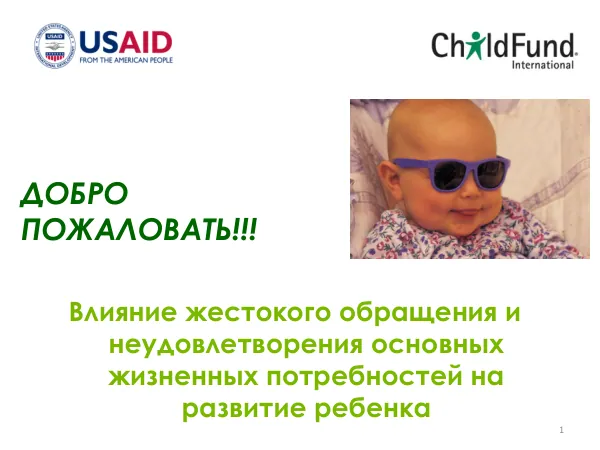
Влияние жестокого обращения и неудовлетворения основных жизненных потребностей на развитие ребенка
Sign inUSAID DEC
Влияние жестокого обращения и неудовлетворения основных жизненных потребностей на развитие ребенка
Child Development and the Impact of Maltreatment and Neglect on Children's Growth Child development is a complex and multifaceted process that is influenced by a variety of factors, including genetics, environment, and social interactions.
2013 · 104 pages
Sign in to readA free account is required to download.
Abstract
The development of a child is a continuous process that is shaped by the interactions between the child and their environment. This process is dynamic, interconnected, and influenced by a range of factors, including the child's genetic makeup, their physical and social environment, and their experiences and interactions with others. The principles of child development emphasize the importance of a supportive and nurturing environment in promoting healthy growth and development. These principles include the idea that development is a continuous process, that it is dynamic and influenced by a range of factors, and that it is shaped by the interactions between the child and their environment. Additionally, the principles of child development highlight the importance of a child's genetic makeup, their physical and social environment, and their experiences and interactions with others in shaping their development. Research has shown that maltreatment and neglect can have a significant impact on a child's development, particularly in the areas of physical, emotional, and social development. Maltreatment and neglect can lead to a range of negative outcomes, including delayed development, behavioral problems, and difficulties with social relationships. The impact of maltreatment and neglect on a child's development can be long-lasting and can have a significant impact on their future well-being and success. The development of a child is influenced by a range of factors, including their genetic makeup, their physical and social environment, and their experiences and interactions with others. The physical environment, including factors such as nutrition, health, and safety, plays a critical role in shaping a child's development. The social environment, including factors such as family relationships, social support, and access to education and healthcare, also plays a critical role in shaping a child's development. In terms of specific areas of development, research has shown that maltreatment and neglect can have a significant impact on a child's physical, emotional, and social development. In the area of physical development, maltreatment and neglect can lead to delayed growth and development, including delayed motor skills and delayed cognitive development. In the area of emotional development, maltreatment and neglect can lead to difficulties with emotional regulation, including anxiety, depression, and aggression. In the area of social development, maltreatment and neglect can lead to difficulties with social relationships, including difficulties with peer relationships and difficulties with forming and maintaining relationships with others. The concept of "normal" development is complex and multifaceted, and can vary depending on the context and the individual child. However, research has shown that maltreatment and neglect can have a significant impact on a child's development, particularly in the areas of physical, emotional, and social development. Understanding the impact of maltreatment and neglect on a child's development is critical for promoting healthy growth and development, and for preventing negative outcomes. In terms of specific areas of development, research has identified several key areas, including physical, cognitive, social, and emotional development. Physical development refers to the growth and development of a child's physical body, including their motor skills, sensory development, and overall health. Cognitive development refers to the growth and development of a child's thinking and problem-solving abilities, including their memory, attention, and language skills. Social development refers to the growth and development of a child's social relationships, including their ability to interact with others, form and maintain relationships, and understand social norms and expectations. Emotional development refers to the growth and development of a child's emotional regulation, including their ability to manage their emotions, develop self-awareness, and form healthy relationships with others. Overall, the development of a child is a complex and multifaceted process that is influenced by a range of factors, including genetics, environment, and social interactions. Understanding the impact of maltreatment and neglect on a child's development is critical for promoting healthy growth and development, and for preventing negative outcomes.
Related documents
Documents in this collection
USAID DEC
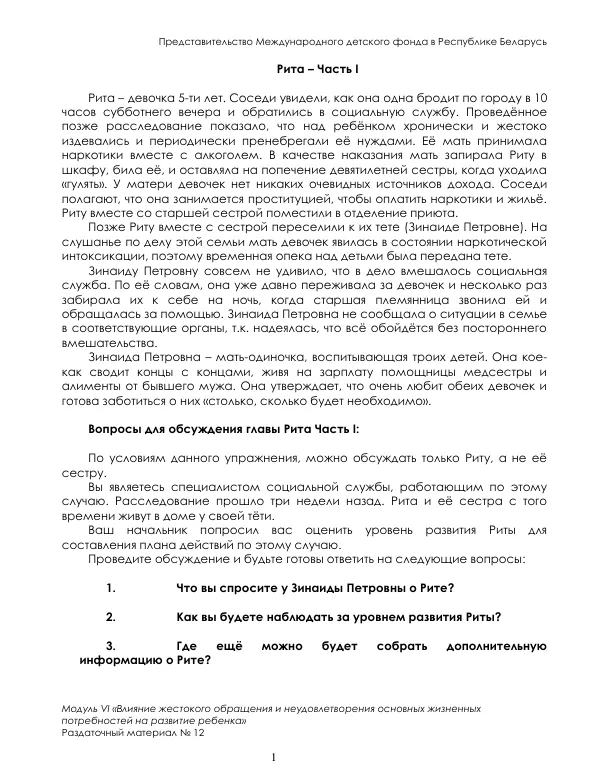
Модуль VI «Влияние жестокого обращения и неудовлетворения основных жизненных потребностей на развитие ребенка»
Open record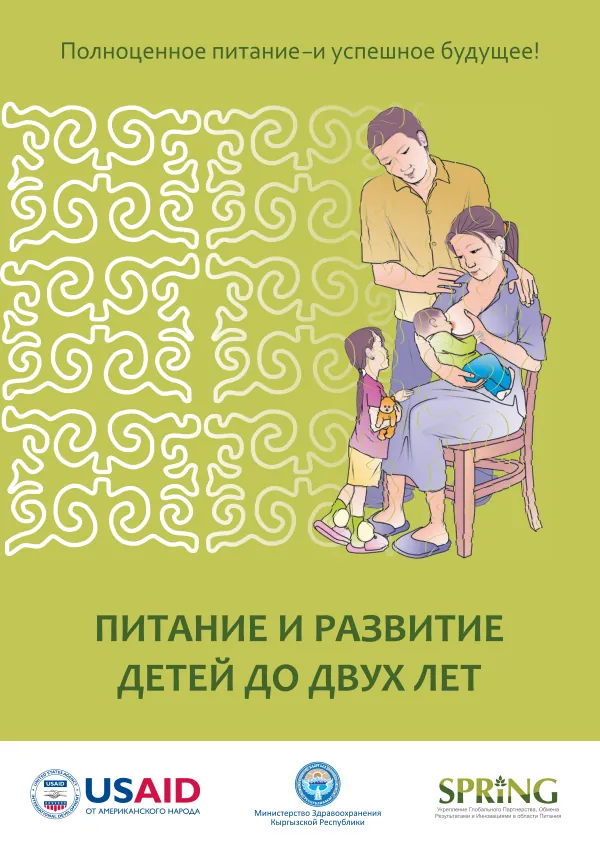 2016
2016USAID DEC
Питание и развитие детей до двух лет
Open record
USAID DEC