USAID DEC
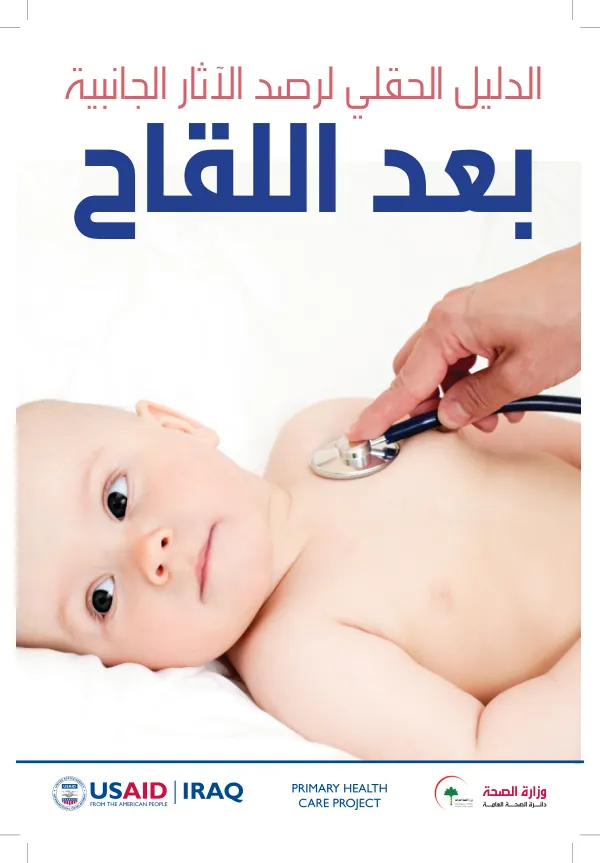
دليل الحقلي لرصد الآثار الجانبية بعد اللقاح
The document discusses the adverse effects of vaccines, specifically the side effects that may occur after vaccination.
32 pages
Sign in to readA free account is required to download.
Abstract
The document is divided into several sections, each addressing a different aspect of vaccine-related adverse effects. The first section discusses the types of adverse effects that may occur after vaccination, including immediate and delayed reactions. The document notes that some adverse effects may be caused by errors in the vaccination process, such as improper storage or handling of vaccines. The second section focuses on the adverse effects of specific vaccines, including the BCG vaccine, the MMR vaccine, and the DTaP vaccine. The document provides information on the frequency and severity of adverse effects associated with each vaccine, as well as the potential causes of these effects. The third section discusses the concept of coincidental adverse effects, which occur when a vaccine-related adverse effect is not directly related to the vaccine itself, but rather to other factors such as the individual's underlying health conditions or the presence of other medications. The document also discusses the importance of proper vaccination procedures and the need for healthcare providers to be aware of the potential adverse effects of vaccines. It emphasizes the need for healthcare providers to report any adverse effects that occur after vaccination, in order to improve the safety and efficacy of vaccines. The document provides information on the types of adverse effects that may occur after vaccination, including: * Immediate reactions, such as anaphylaxis and allergic reactions * Delayed reactions, such as fever, headache, and fatigue * Coincidental adverse effects, which occur when a vaccine-related adverse effect is not directly related to the vaccine itself * Adverse effects caused by errors in the vaccination process, such as improper storage or handling of vaccines The document also provides information on the frequency and severity of adverse effects associated with specific vaccines, including: * BCG vaccine: 5-15% of recipients experience a mild reaction, such as a skin rash or fever * MMR vaccine: 10-15% of recipients experience a mild reaction, such as a fever or rash * DTaP vaccine: 5-10% of recipients experience a mild reaction, such as a fever or headache The document concludes by emphasizing the importance of continued research and monitoring of vaccine-related adverse effects, in order to improve the safety and efficacy of vaccines and to provide better protection against infectious diseases. The document is written in a formal and objective tone, and is intended for healthcare professionals and researchers who are interested in the topic of vaccine-related adverse effects. The language is technical and specialized, and the document assumes a high level of knowledge and expertise in the field of immunology and vaccine safety. The document is divided into several sections, each addressing a different aspect of vaccine-related adverse effects. The sections are: * Section 1: Types of adverse effects * Section 2: Adverse effects of specific vaccines * Section 3: Coincidental adverse effects * Section 4: Adverse effects caused by errors in the vaccination process * Section 5: Conclusion and recommendations The document provides a comprehensive overview of the topic of vaccine-related adverse effects, and is a valuable resource for healthcare professionals and researchers who are interested in this topic.