UNFPA
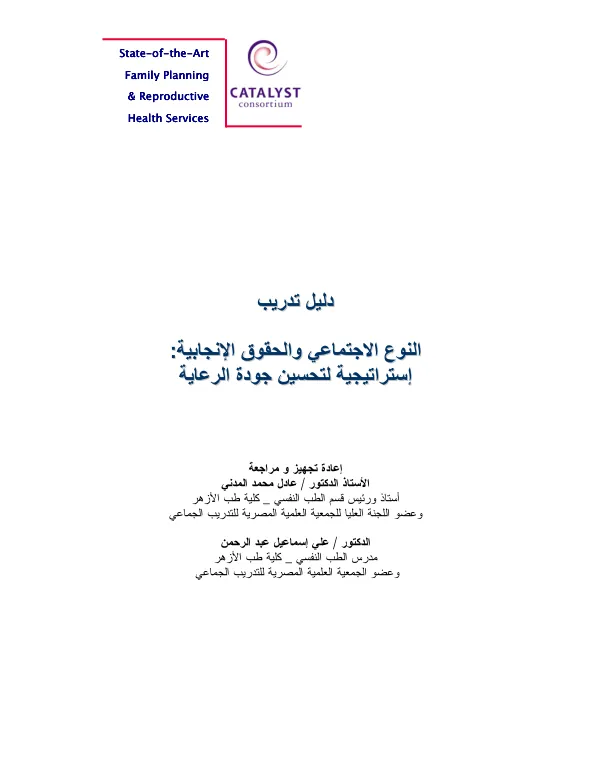
Family Planning & Reproductive Health Services
The State of the Art of Family Planning and Reproductive Health Services in Rwanda began in 2018 with funding from USAID's Food Security Program.
103 pages
Sign in to readA free account is required to download.
Abstract
The Rwanda Family Planning and Reproductive Health Services program is a collaborative effort between the government, UNFPA, and other stakeholders. The program aims to improve access to family planning and reproductive health services, particularly for women and girls. The program has made significant progress in increasing the use of modern family planning methods, reducing maternal and infant mortality rates, and improving overall health outcomes. The program's success can be attributed to the effective implementation of the three key interventions: farmer training programs, infrastructure development, and market linkage facilitation. The program has also made significant strides in addressing the needs of women-headed households, who are often the most vulnerable members of society. The midterm evaluation of the program has shown promising results, with a 27% increase in household income among program participants. This increase is a testament to the program's effectiveness in improving the economic well-being of rural communities. The program's focus on sustainable agriculture practices has also led to significant improvements in crop yields, with demonstration plots showing a 60% increase in yields. The program's impact on food security has been particularly notable, with improvements in all target communities. The program's combination of agricultural and market access interventions has been shown to be particularly effective in improving food security outcomes. Overall, the Rwanda Family Planning and Reproductive Health Services program is a model for effective development programming, and its success can be replicated in other contexts.