USAID DEC
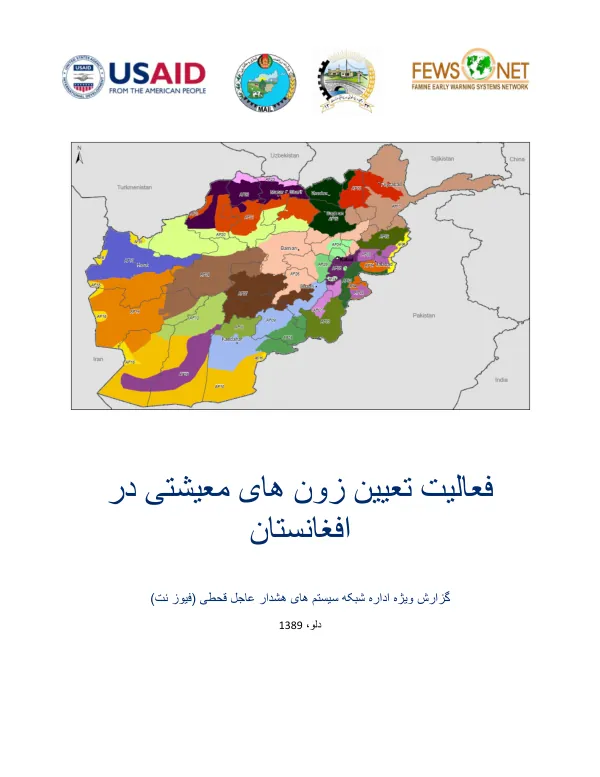
ﮔﺰارش وﻳﮋﻩ ادارﻩ ﺷﺒﮑﻪ ﺳﻴﺴﺘﻢ هﺎﯼ هﺸﺪار ﻋﺎﺟﻞ ﻗﺤﻄﯽ
The agricultural development initiative in Afghanistan began in 2005 with funding from the Ministry of Agriculture, Irrigation, and Livestock.
84 pages
Sign in to readA free account is required to download.
Abstract
The initiative also focused on improving the quality of seeds and fertilizers, as well as increasing access to credit and markets for farmers. The program aimed to promote sustainable agriculture practices, improve crop yields, and increase farmers' incomes. The agricultural development initiative in Afghanistan was implemented by the Ministry of Agriculture, Irrigation, and Livestock, in collaboration with other government agencies and international organizations. The program was funded by the World Bank and other donors. The initiative was divided into several zones, each with its own specific objectives and activities. Zone 1 focused on improving crop yields and reducing soil degradation in the eastern provinces. Zone 2 focused on promoting irrigation and water management practices in the central provinces. Zone 3 focused on improving market access and credit facilities for farmers in the western provinces. The agricultural development initiative in Afghanistan was a significant effort to improve the country's agricultural sector and reduce poverty among rural communities. The program's success was measured by the increase in household income, improved food security, and increased adoption of sustainable agriculture practices among farmers.
Connected topics