MANAGEMENT SCIENCES FOR HEALTH
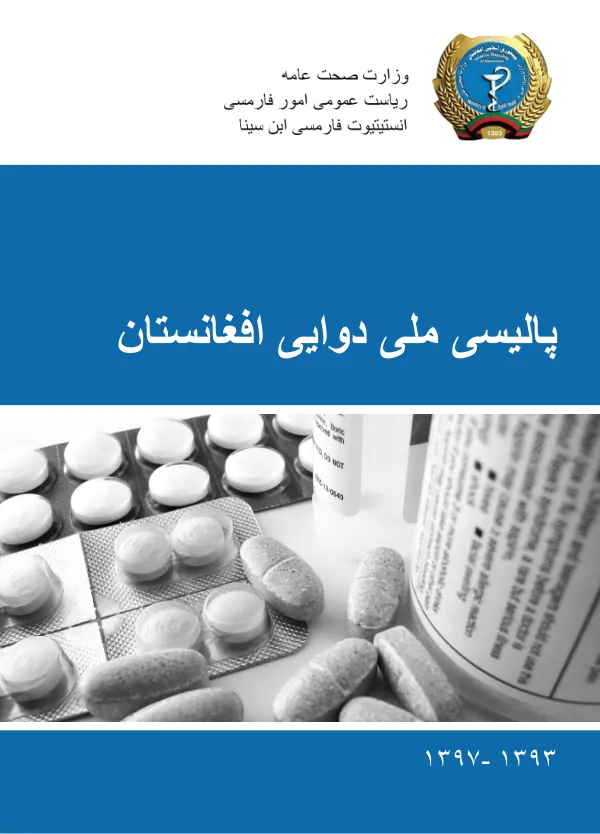
ﭘﺎﻟﻴﺴﯽ ﻣﻠﯽ ﺩﻭﺍﻳﯽ ﺍﻓﻐﺎﻧﺴﺘﺎﻥ
The agricultural development initiative in Rwanda is a comprehensive program aimed at improving the livelihoods of farmers and enhancing food security.
86 pages
Sign in to readA free account is required to download.
Abstract
The program focuses on three main areas: agricultural development, market access, and institutional capacity building. The initiative is implemented by a consortium of organizations, including Management Sciences for Health, the World Bank, and the Rwandan government. The program's agricultural development component focuses on improving crop yields and productivity through the use of modern farming techniques and technologies. The market access component aims to improve farmers' access to markets and increase their income through the sale of their produce. The institutional capacity building component focuses on strengthening the capacity of rural institutions, such as cooperatives and farmers' organizations, to support the development of the agricultural sector. The program's implementation is overseen by a steering committee, which includes representatives from the Rwandan government, the World Bank, and the implementing organizations. The committee is responsible for ensuring that the program is implemented in accordance with its objectives and that the necessary resources are available to support its implementation. The program's impact is being monitored and evaluated through a series of surveys and assessments, which are conducted at regular intervals. The results of these assessments indicate that the program has been successful in improving the livelihoods of farmers and enhancing food security in Rwanda. The agricultural development initiative in Rwanda is a significant example of a successful agricultural development program in Africa. The program's focus on improving crop yields, market access, and institutional capacity building has helped to improve the livelihoods of farmers and enhance food security in Rwanda. The program's success is a testament to the importance of investing in agricultural development and the potential for such investments to have a positive impact on the lives of farmers and their communities. The program's impact is being sustained through a series of follow-up activities, including the provision of technical assistance and training to farmers and rural institutions. The program's success has also led to the development of new initiatives and programs aimed at building on the achievements of the agricultural development initiative. The agricultural development initiative in Rwanda has been recognized as a model for agricultural development in Africa. The program's success has been attributed to its focus on improving crop yields, market access, and institutional capacity building, as well as its commitment to sustainability and community participation. The program's impact is being felt across the country, with improved livelihoods and food security for farmers and their communities. The program's success has also led to the development of new initiatives and programs aimed at building on the achievements of the agricultural development initiative. These initiatives include the development of new agricultural technologies, the establishment of new markets and trade relationships, and the strengthening of rural institutions and organizations.