USAID DEC
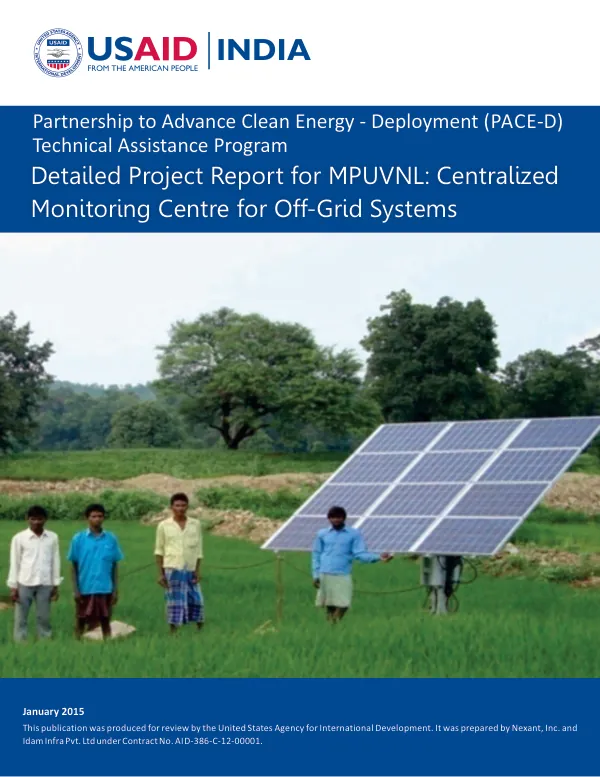
Partnership to Advance Clean Energy – Deployment (PACE-D) Technical Assistance Program
Sign inUSAID DEC
Partnership to Advance Clean Energy – Deployment (PACE-D) Technical Assistance Program
The Partnership to Advance Clean Energy – Deployment (PACE-D) Technical Assistance Program has initiated a two-day training program for utility engineers, focusing on solar rooftop training.
318 pages
Sign in to readA free account is required to download.
Abstract
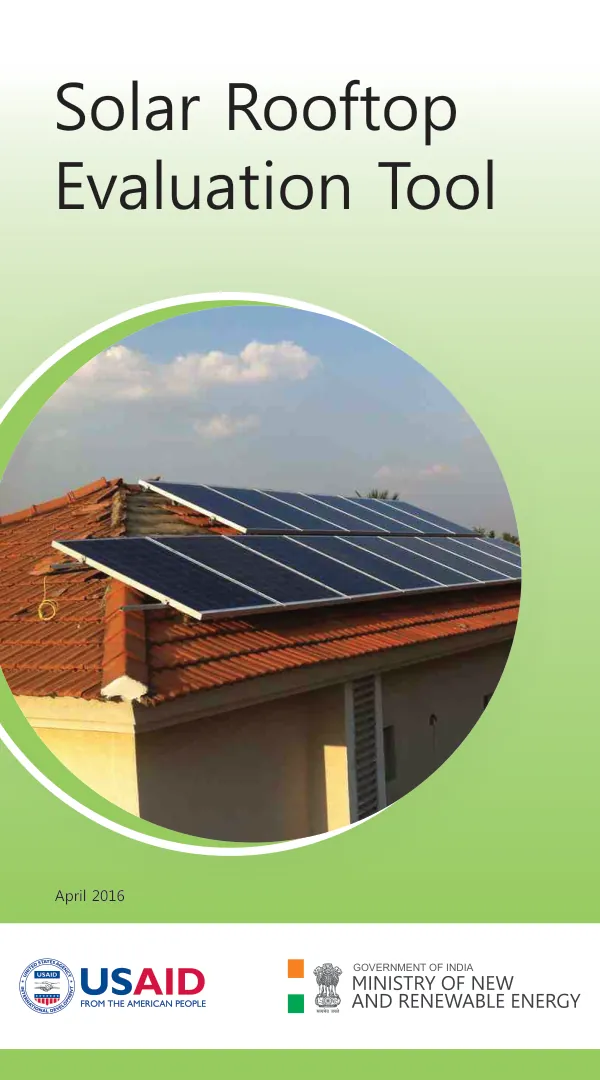
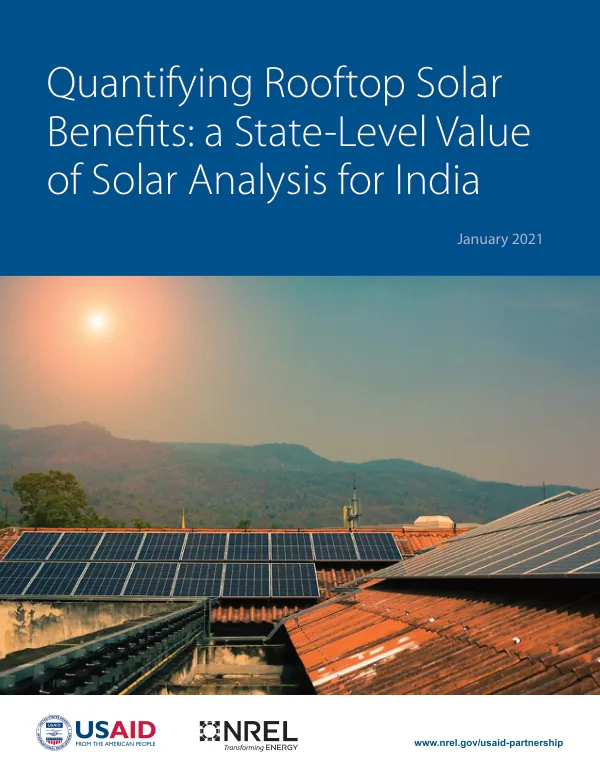
The program aims to enhance the skills of utility engineers in designing, implementing, and integrating rooftop solar photovoltaic (PV) systems into the grid. The training program covers various aspects of rooftop solar PV systems, including an overview of the Indian rooftop solar power sector and technology, policy and regulation, business models, and administrative procedures for implementing rooftop solar PV projects. The program also delves into the design and safety aspects of rooftop solar PV systems, including PV array configuration, mechanical design, safety issues, and grid protection. Utility engineers will gain knowledge on grid connectivity and inspection procedures, including applicable standards and regulations, interconnection technical specifications, and requirements. The program also addresses challenges in integrating rooftop solar PV with the utility grid, including types of challenges, key development, management, and technology challenges. The training program includes a field visit to provide hands-on experience and exposure to real-world applications of rooftop solar PV systems. The program aims to equip utility engineers with the necessary skills and knowledge to design, implement, and integrate rooftop solar PV systems efficiently and effectively. India's energy landscape is characterized by a significant dependence on imported petroleum, with 83% of its petroleum consumption being met through imports. The country's daily petroleum production is 1 million barrels, while its consumption is 4.4 million barrels. India's annual natural gas consumption exceeds its production by 600 billion cubic feet, and the country requires 0.41 billion metric tons of oil equivalent of coal yearly but produces only 0.28 billion metric tons of oil equivalent. The training program is a crucial step in addressing India's energy needs and reducing its dependence on imported petroleum. By equipping utility engineers with the necessary skills and knowledge, the program aims to promote the adoption of rooftop solar PV systems and contribute to a cleaner and more sustainable energy future for India.