USAID DEC
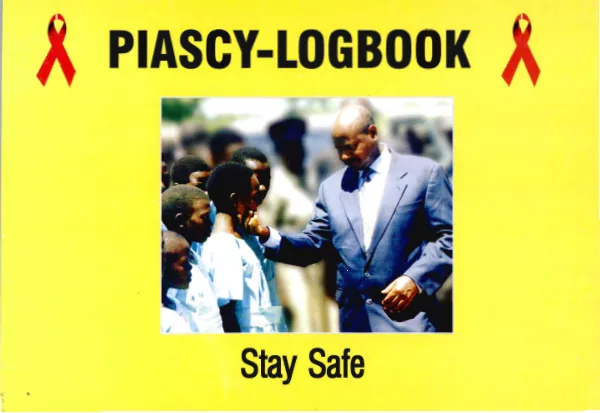
PIASCY School Logbook
School Profile The school is a primary institution with a total of 15 teachers and 450 pupils.
28 pages
Sign in to readA free account is required to download.
Abstract
The student body is comprised of 225 male pupils and 225 female pupils, with a total of 6 classes. The school has a total of 3 classes in each of the primary levels P3, P4, and P6, with 1 class in P5. Whole School Development The school has a "Talking" office, which serves as a central hub for communication and information dissemination. The "Talking" compound is a designated area for outdoor activities and events. The school also has "Talking" classrooms, which are designed to promote interactive and engaging learning experiences. The school environment is child-friendly, with a focus on creating a safe and inclusive atmosphere for pupils. PIASCY Events The school organized several innovative activities during the first term, including debates, competitions, and open days. These events aimed to promote critical thinking, creativity, and creativity among pupils. The debates focused on topics such as environmental conservation, while the competitions involved various competitions, including sports and academic events. The open days provided an opportunity for pupils to showcase their talents and achievements. Assembly Activities The school conducted regular assemblies, which were led by pupils from different classes. The assemblies focused on various themes, including values, social responsibility, and academic achievement. The assemblies were conducted using different methods, including presentations, role-plays, and discussions. The school also used various materials, including posters, charts, and news letters, to support the assembly activities. Pupil Participation Pupils were actively involved in various activities, including leading assemblies, leading assemblies, and participating in clubs. The pupils showed a high level of involvement in class activities, with many pupils participating in discussions, answering questions, and asking questions. The pupils also showed a high level of participation in clubs, with many pupils joining various clubs, including sports, music, and drama clubs. Training and Continuous Professional Development The school conducted several training and professional development sessions for teachers and stakeholders during the first term. The sessions focused on various topics, including instructional design, instructional materials, and technology integration. The sessions were conducted by external trainers and experts, and were attended by teachers and stakeholders. The sessions aimed to enhance the skills and knowledge of teachers and stakeholders, and to promote best practices in education. Instructional Materials The school has a range of instructional materials, including supplemental materials, straight talk materials, and survival kits. The supplemental materials include posters, charts, news letters, and NGO materials. The straight talk materials include Young Talk, Teacher Talk, HIV-AIDs Readers, and Teachers guides. The survival kits include materials that are designed to support pupils in emergency situations. The school also has other instructional materials, including books, journals, and educational software. Support Supervision The school has a system of support supervision, which involves regular monitoring and evaluation of the school's progress. The school's headteacher and the school's PIASCY team are responsible for completing the logbook regularly and submitting it to the external reviewer. The logbook is reviewed by the external reviewer and the school's PIASCY team to ensure that the school is meeting its goals and objectives.