UNITED NATIONS ENVIRONMENTAL PROGRAMME , NAIROBI
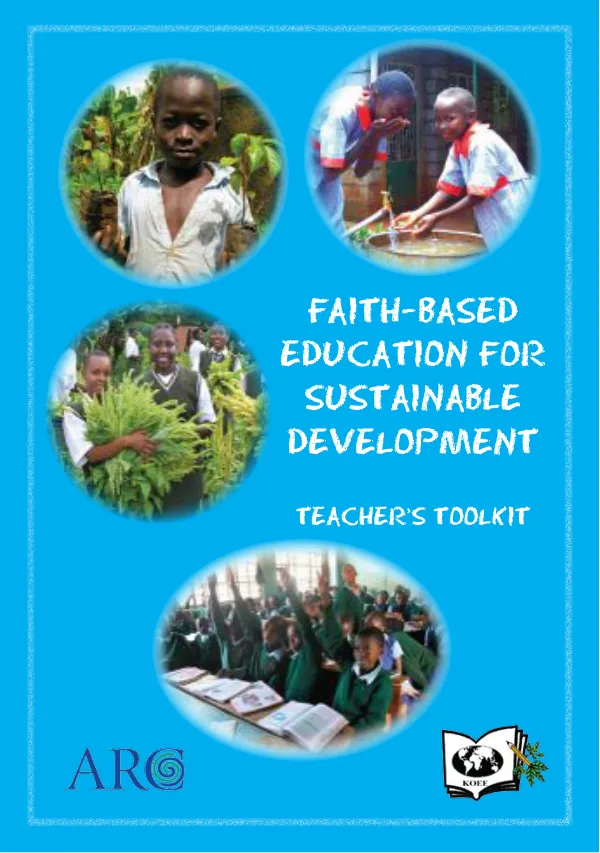
Faith-Based Education For Sustainable Development Teacher’s Toolkit
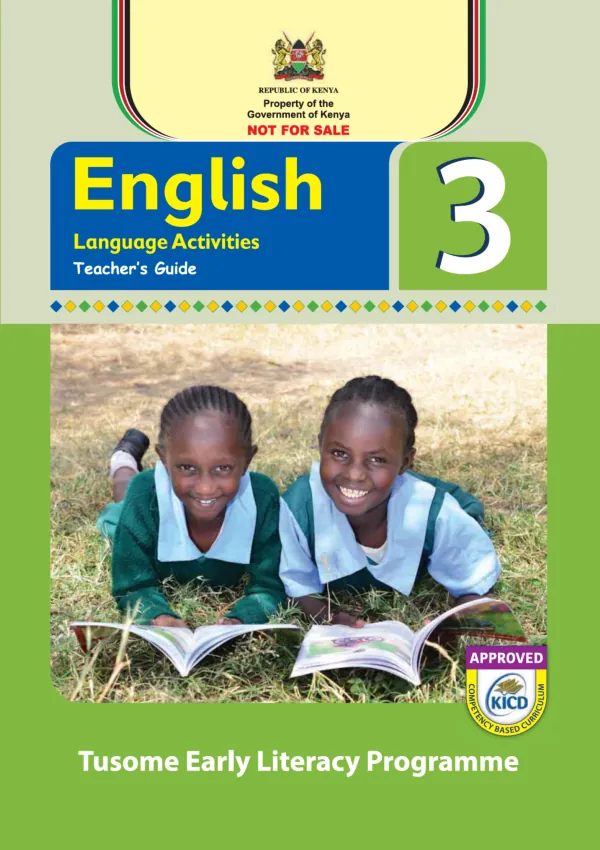
The Faith-based Education For Sustainable Development Toolkit is a comprehensive resource designed to promote education for sustainable development (ESD) in faith-based schools in Kenya.
174 pages
Sign in to readA free account is required to download.
Abstract
The toolkit was produced by the Alliance of Religions and Conservation (ARC) and the Kenya Organization of Environmental Education (KOEE) with funding from the World Bank and the Ministry of Foreign Affairs, Norway. The development of the toolkit was a collaborative effort involving a wide range of stakeholders, including faith leaders, educators, and environmental experts. The toolkit is designed to be used by teachers to guide learners in practicing ESD, and it adopts a multi-disciplinary approach that infuses faith-based education for sustainable development contents into curriculum subjects and activities carried out in schools. The toolkit is arranged in units, derived from a survey carried out to identify sustainable development challenges in different areas referred to as eco-node challenges. Each unit focuses on a specific theme, such as water, health, sanitation, and hygiene, waste management, energy, biodiversity, agriculture, and climate change. The toolkit provides a range of teaching and learning materials, including lesson plans, activities, and assessments, that can be used to promote ESD in faith-based schools. The toolkit recognizes the importance of mainstreaming faith-based values in education for sustainable development, and it provides a range of resources and strategies for doing so. The toolkit is designed to be used in conjunction with the existing Kenyan primary school syllabus, and it provides a framework for teachers to integrate ESD into their teaching practices. The development of the toolkit is seen as a significant step towards promoting ESD in Kenya, and it is expected to contribute to the country's efforts to achieve the Millennium Development Goals (MDGs) and the Decade of Education for Sustainable Development (DESD). The toolkit is also expected to provide a model for other countries to follow in promoting ESD in faith-based schools. The toolkit is a comprehensive resource that provides a range of teaching and learning materials, strategies, and resources for promoting ESD in faith-based schools. It is designed to be used by teachers to guide learners in practicing ESD, and it provides a framework for integrating ESD into the existing Kenyan primary school syllabus. The toolkit's approach to ESD is based on the principles of sustainability, equity, and social justice, and it recognizes the importance of faith-based values in promoting ESD. The toolkit provides a range of resources and strategies for promoting ESD, including lesson plans, activities, and assessments, that can be used to promote ESD in faith-based schools. The toolkit's development is a significant step towards promoting ESD in Kenya, and it is expected to contribute to the country's efforts to achieve the MDGs and the DESD. The toolkit is also expected to provide a model for other countries to follow in promoting ESD in faith-based schools. The toolkit's authors and developers recognize the importance of ESD in promoting sustainable development, and they believe that faith-based education can play a critical role in promoting ESD. The toolkit provides a range of resources and strategies for promoting ESD, including lesson plans, activities, and assessments, that can be used to promote ESD in faith-based schools.