DEPARTMENT OF HEALTH
Post Exposure Prophylaxis (PEP) be muramura
Post Exposure Prophylaxis (PEP) is a medical intervention aimed at preventing the transmission of HIV and other sexually transmitted infections (STIs) after potential exposure.
2015 · 1 pages
Sign in to readA free account is required to download.
Abstract
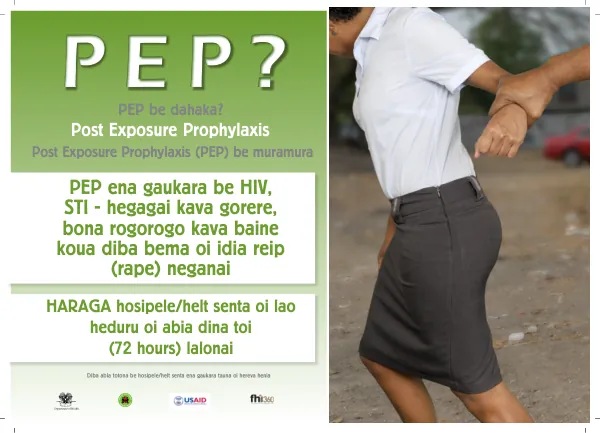
PEP be dahaka refers to the use of antiretroviral medication to prevent HIV infection following a high-risk exposure. The effectiveness of PEP is contingent upon prompt initiation, typically within 72 hours of the potential exposure. This timeframe is critical, as the sooner treatment is administered, the higher the likelihood of preventing infection. Department of Health guidelines emphasize the importance of seeking medical attention immediately after a high-risk exposure. PEP ena gaukara be HIV, indicating that the primary focus of PEP is to prevent HIV infection. However, PEP may also be effective in preventing other STIs, including those caused by hepatitis B and C viruses. STI - hegagai kava gorere, suggesting that PEP can help prevent a range of STIs. Bona rogorogo kava baine refers to the importance of adhering to the prescribed treatment regimen. Koua diba bema oi idia reip (rape) neganai highlights the potential for PEP to be used in cases of sexual assault, providing a critical layer of protection against HIV and other STIs. HARAGA hosipele/helt senta oi lao heduru oi abia dina toi (72 hours) lalonai emphasizes the time-sensitive nature of PEP administration. Department of Health protocols emphasize the need for prompt medical attention and treatment initiation to maximize the effectiveness of PEP.
Connected topics
Related documents