USAID DEC
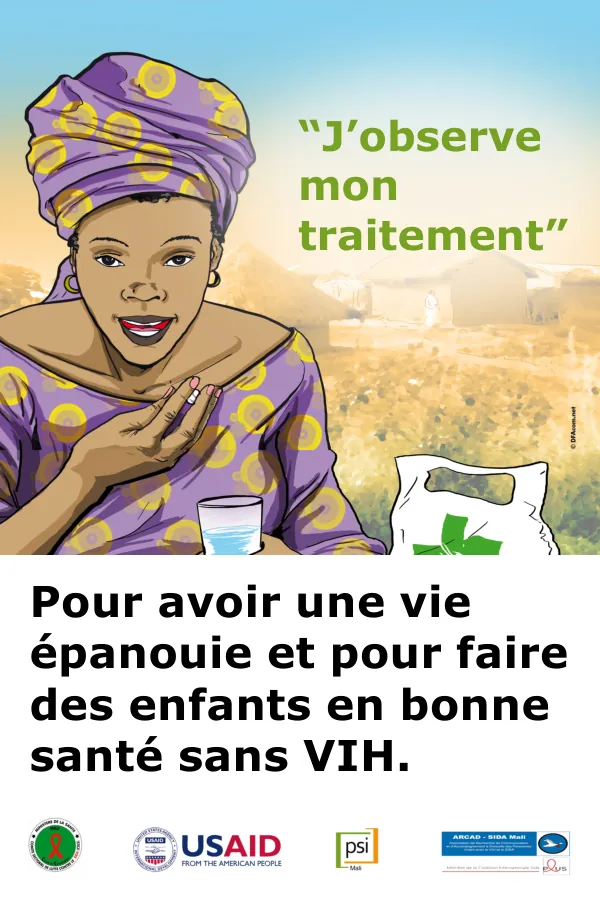
Pour avoir une vie épanouie et pour faire des enfants en bonne santé sans VIH
The HIV prevention initiative in sub-Saharan Africa emphasizes the importance of early detection and treatment of the virus.
1 pages
Sign in to readA free account is required to download.
Abstract
The initiative, which targets individuals and families, aims to promote healthy living and reduce the transmission of HIV to future generations. Key strategies include regular health check-ups, adherence to antiretroviral therapy, and safe sex practices. Research has shown that early detection and treatment of HIV can significantly improve health outcomes and reduce the risk of transmission. The initiative encourages individuals to undergo regular HIV testing, particularly those in high-risk groups such as sex workers and men who have sex with men. Additionally, the initiative promotes the use of condoms and other barrier methods to prevent the transmission of HIV. The initiative also places a strong emphasis on education and awareness-raising. Community outreach programs and workshops are conducted to educate individuals about the risks and consequences of HIV transmission, as well as the importance of early detection and treatment. These programs aim to empower individuals with the knowledge and skills necessary to make informed decisions about their health and well-being. Implementation of the initiative is underway in several countries, with a focus on rural and underserved communities. Partnerships have been established with local health organizations and community groups to ensure the initiative reaches those most in need. The initiative is expected to have a significant impact on reducing the prevalence of HIV in sub-Saharan Africa and promoting healthy living among individuals and families. Long-term goals of the initiative include reducing the number of new HIV infections and improving health outcomes for individuals living with the virus. The initiative also aims to promote a culture of health and well-being, where individuals and families prioritize their health and take proactive steps to prevent the transmission of HIV. By working together, individuals, communities, and organizations can create a healthier and more sustainable future for all.
Related documents