USAID DEC
Prevention de l'anémie
Anemia is a condition characterized by a deficiency in red blood cells or hemoglobin, leading to inadequate oxygen delivery to tissues and organs.
1 pages
Sign in to readA free account is required to download.
Abstract
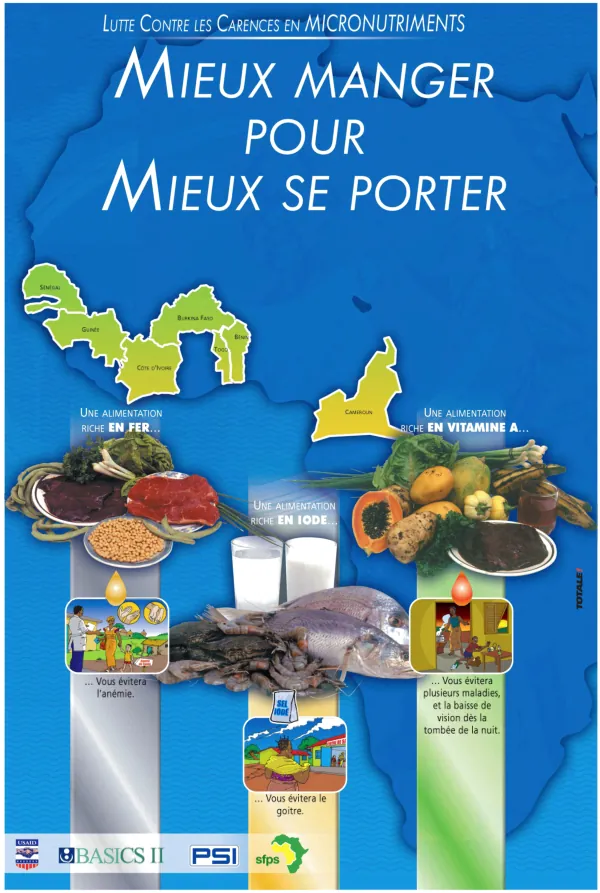
This condition can result from various factors, including iron deficiency, vitamin deficiencies, chronic diseases, and genetic disorders. Iron deficiency is the most common cause of anemia worldwide, accounting for approximately 50% of all cases. It can be caused by inadequate dietary intake, excessive menstrual bleeding, or chronic blood loss due to gastrointestinal disorders. Vitamin deficiencies, particularly those of vitamin B12 and folate, can also contribute to anemia. These vitamins play crucial roles in the production of red blood cells and the maintenance of healthy nerve function. Chronic diseases, such as kidney disease, rheumatoid arthritis, and cancer, can lead to anemia through various mechanisms, including inflammation, blood loss, and impaired red blood cell production. Genetic disorders, such as sickle cell disease and thalassemia, can also cause anemia due to abnormal hemoglobin production or red blood cell morphology. Anemia can have significant consequences if left untreated, including fatigue, weakness, shortness of breath, and decreased cognitive function. In severe cases, anemia can lead to more serious complications, such as heart failure, stroke, and increased risk of infections. Preventing anemia through a balanced diet, regular health check-ups, and prompt treatment of underlying conditions can help mitigate these risks. Preventing anemia can also have additional benefits, including the prevention of goiter, a condition characterized by an enlarged thyroid gland. Anemia has also been linked to several other health issues, including decreased vision, particularly in low-light conditions. Maintaining adequate iron and vitamin levels through a well-balanced diet and supplements, if necessary, can help prevent these conditions and promote overall health and well-being.