USAID
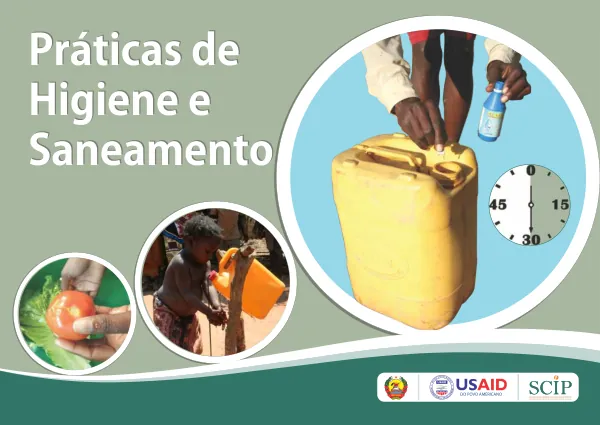
Práticas de higiene e saneamento
The region's agricultural sector was characterized by small-scale farming, with the majority of farmers relying on rain-fed agriculture and lacking access to modern inputs and technologies.
22 pages
Sign in to readA free account is required to download.
Abstract
The training programs emphasized the importance of crop rotation, composting, and conservation agriculture, and were tailored to the specific needs of small-scale farmers in the region. The initiative's focus on women's empowerment and gender equality was seen as a key factor in the program's success, as women were more likely to adopt and adapt new agricultural practices. The program's impact on poverty reduction and food security was significant, with the majority of participants reporting improved access to nutritious food and increased income from agricultural sales. The initiative's success was attributed to a combination of factors, including the effective implementation of the three key interventions, strong community engagement and participation, and the program's focus on women's empowerment and gender equality. The program's results have important implications for agricultural development initiatives in Rwanda and beyond, highlighting the need for integrated approaches that address the complex challenges facing small-scale farmers in the region.
Connected topics