USAID DEC
Rapid assessment of the gaps in dairy cattle feeding, management and milk processing that constrain milk quality and quantity in Nepal
Sign inFLORIDA INTERNATIONAL UNIVERSITY
Rapid assessment of the gaps in dairy cattle feeding, management and milk processing that constrain milk quality and quantity in Nepal
The dairy sector in Nepal is a significant contributor to the country's economy, accounting for about 60% of the livestock subsector's contribution to Nepal's GDP.
2018 · 18 pages
Sign in to readA free account is required to download.
Abstract
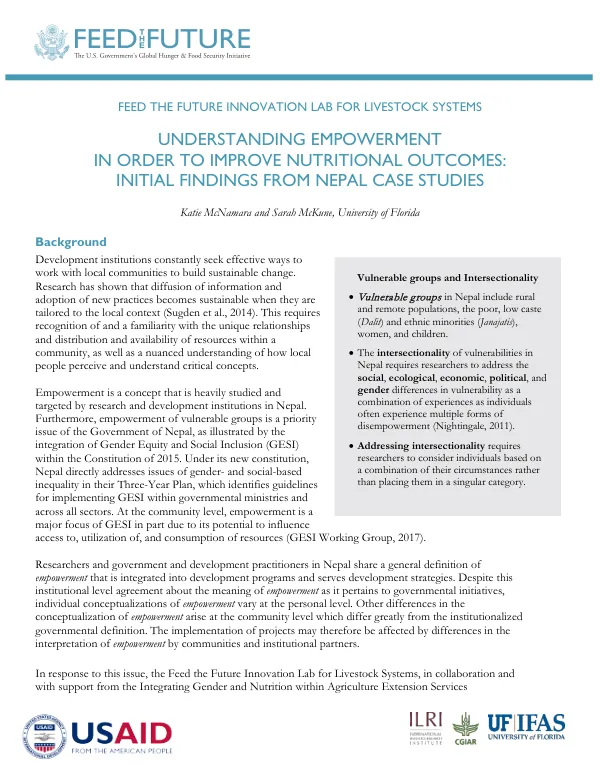
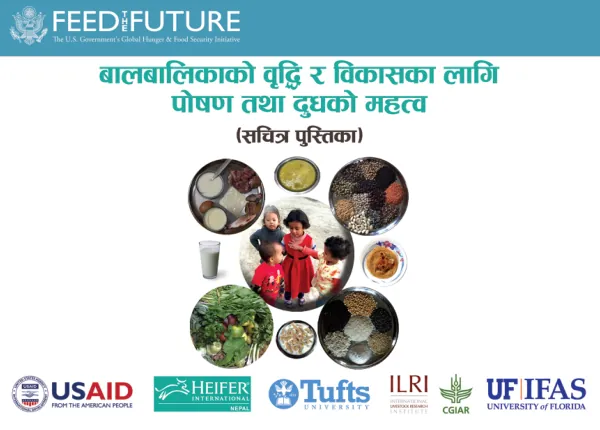
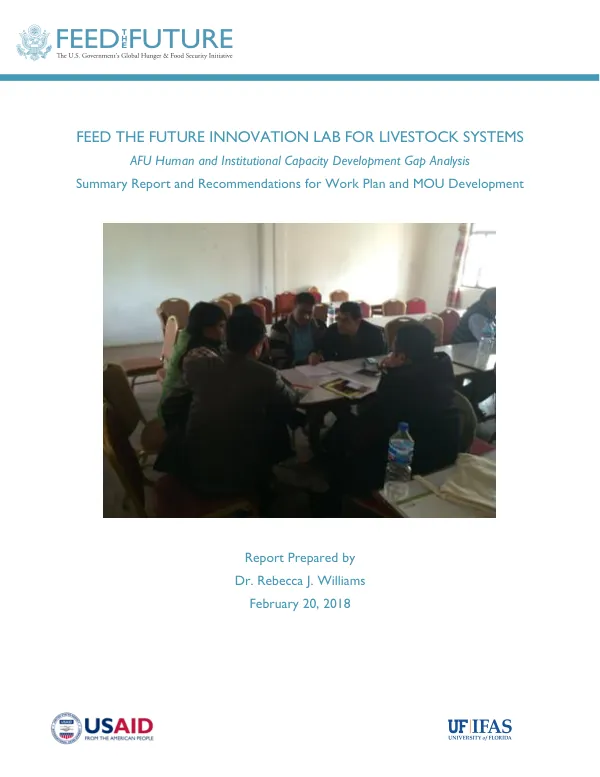
The sector affects the livelihoods of many rural people, with an estimated 7.27 million cows and 5.24 million buffaloes in the country. However, only 13% of the cattle and 26% of the buffaloes are improved breeds. The average farm size is small, at 0.7 ha, and there has been an increasing feminization of agriculture, with more women than men engaged in agricultural activities. The total milk production in Nepal is about 1,734 thousand Metric Tons (MT), with milking buffaloes contributing about 70% and dairy cows contributing about 30%. Dairy farming in Nepal is predominantly through smallholder production systems, with approximately 125,000 farm families engaged in milk production and organized in about 1,500 primary dairy cooperatives throughout the country. The formal dairy processing industry in the country receives almost 90% of its total milk through dairy cooperatives. Government institutions involved in promoting milk production in Nepal include the Department of Livestock Services (DLS) under the Ministry of Livestock Development (MoLD), which formulates policy and implements programs for increasing milk quantity, and the Department of Food Technology and Quality Control (DFTQC) under the Ministry of Agriculture Development (MoAD), which regulates dairy products in the market. The Nepal Food Act of 1966 regulates dairy product safety, but it does not cover the quality of raw milk from the farm to the chilling centers' level. The Livestock Systems Innovation Lab, a five-year initiative funded by the US Agency for International Development (USAID), aims to improve the nutrition, health, and incomes of the poor by sustainably increasing livestock productivity and marketing, and consumption of animal-source foods (ASF). The lab's goal is to introduce new location-appropriate technologies, improve management practices, skills, knowledge, capacity, and access to and quality of inputs across livestock value chains, and support the development of a policy environment that fosters sustainable intensification and increased profitability of smallholder livestock systems. The Livestock Systems Innovation Lab targets six countries, including Nepal, and focuses on improving the nutrition, health, and incomes of the poor by sustainably increasing livestock productivity and marketing, and consumption of animal-source foods (ASF). The lab's approach involves introducing new location-appropriate technologies, improving management practices, skills, knowledge, capacity, and access to and quality of inputs across livestock value chains, and supporting the development of a policy environment that fosters sustainable intensification and increased profitability of smallholder livestock systems. The Livestock Systems Innovation Lab's work in Nepal is focused on addressing the gaps in dairy cattle feeding, management, and milk processing that constrain milk quality and quantity. The lab's assessment of the dairy sector in Nepal identified several key challenges, including limited access to quality feed, inadequate management practices, and poor milk processing and handling practices. The lab's recommendations for addressing these challenges include improving access to quality feed, enhancing management practices, and improving milk processing and handling practices. The Livestock Systems Innovation Lab's work in Nepal is expected to have a positive impact on the country's dairy sector, improving milk quality and quantity, and increasing the incomes of dairy farmers. The lab's approach is focused on sustainable intensification and increased profitability of smallholder livestock systems, and its work is expected to contribute to the achievement of the country's development goals.
Related documents