USAID DEC
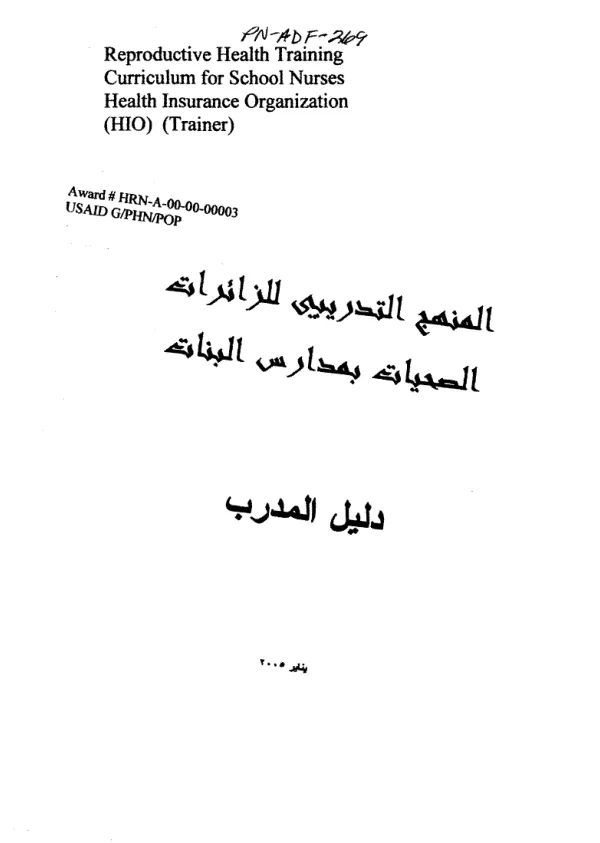
Reproductive Health Training Curriculum for School Nurses
The Reproductive Health Training Curriculum for School Nurses is a comprehensive program designed to equip school nurses with the necessary knowledge and skills to provide reproductive health education to students.
39 pages
Sign in to readA free account is required to download.
Abstract
The curriculum is developed by the Health Insurance Organization (HIO) in collaboration with the US Agency for International Development (USAID). The program aims to address the reproductive health needs of adolescents and young adults in schools. The curriculum focuses on providing school nurses with the skills to deliver evidence-based reproductive health education, including human sexuality, relationships, and reproductive health. The training program covers topics such as puberty, menstruation, and contraception, as well as addressing issues related to sexual violence and coercion. The curriculum also emphasizes the importance of creating a safe and supportive learning environment for students. The training program is designed to be delivered over a period of 40 hours, with a mix of didactic and interactive sessions. The curriculum includes case studies, group discussions, and role-playing exercises to facilitate active learning and skill-building. The program also emphasizes the importance of cultural sensitivity and tailoring the reproductive health education to the specific needs of the school community. The curriculum is designed to be adaptable to different cultural and socio-economic contexts, with a focus on promoting reproductive health and well-being among adolescents and young adults. The program also emphasizes the importance of collaboration between school nurses, teachers, and other stakeholders to create a comprehensive reproductive health education program. The training program is expected to improve the reproductive health knowledge and skills of school nurses, leading to better health outcomes for students. The curriculum is designed to be a valuable resource for school nurses and other healthcare professionals working in schools, and can be adapted to meet the specific needs of different school communities.