MINISTÉRIO DE SAÚDE
Saúde Neonatal
The Ministry of Health in Mozambique has identified neonatal health as a critical area of concern.
2013 · 2 pages
Sign in to readA free account is required to download.
Abstract
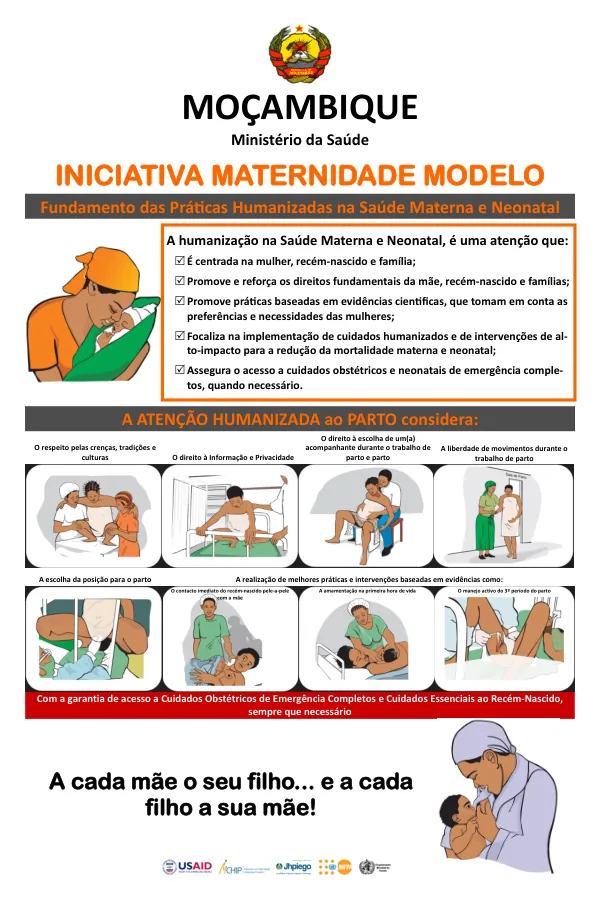
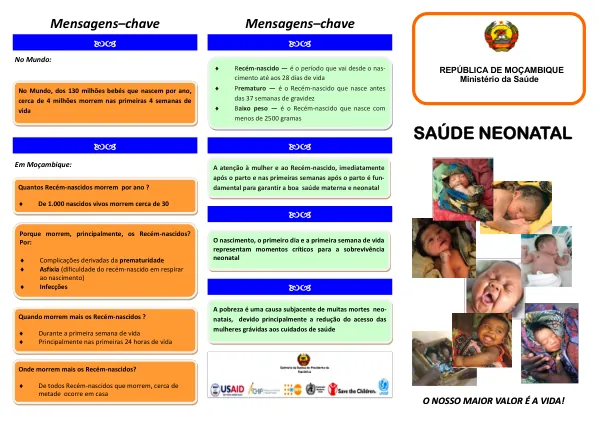
Neonatal mortality rates are high in the country, with approximately half of all neonatal deaths occurring at home. The first week of life, particularly the first 24 hours, is a critical period for neonatal survival. According to global statistics, approximately 4 million newborns die within the first four weeks of life, out of a total of 130 million births per year. In Mozambique, the situation is particularly dire, with 30 deaths per 1,000 live births. Poverty is a significant underlying cause of neonatal mortality, as it limits access to healthcare for pregnant women. The World Health Organization emphasizes the importance of postnatal care in promoting healthy behaviors for both mothers and newborns. Postnatal care should begin as soon as possible, ideally within the first 24 hours, and continue at 3, 7, and 21-28 days after birth. Immediate postnatal care is essential for the newborn's adaptation to the environment and contributes to reducing neonatal mortality. Immediate postnatal care for newborns includes essential procedures such as cleaning and drying the baby, verifying breathing, cutting the umbilical cord, warming the baby, placing the baby on the mother's chest, initiating breastfeeding, vaccinating, caring for the eyes, and weighing the baby. These care practices are crucial for the baby's well-being and can be implemented in healthcare facilities, communities, and at home. The "Canguru" approach, which involves early skin-to-skin contact between the mother and newborn, is also recommended. This approach promotes bonding, warmth, and security for the baby, while also supporting the mother's physical and emotional recovery. The postnatal period is critical for the health and survival of both mothers and newborns, and inadequate care during this time can lead to devastating consequences, including neonatal death.