USAID DEC
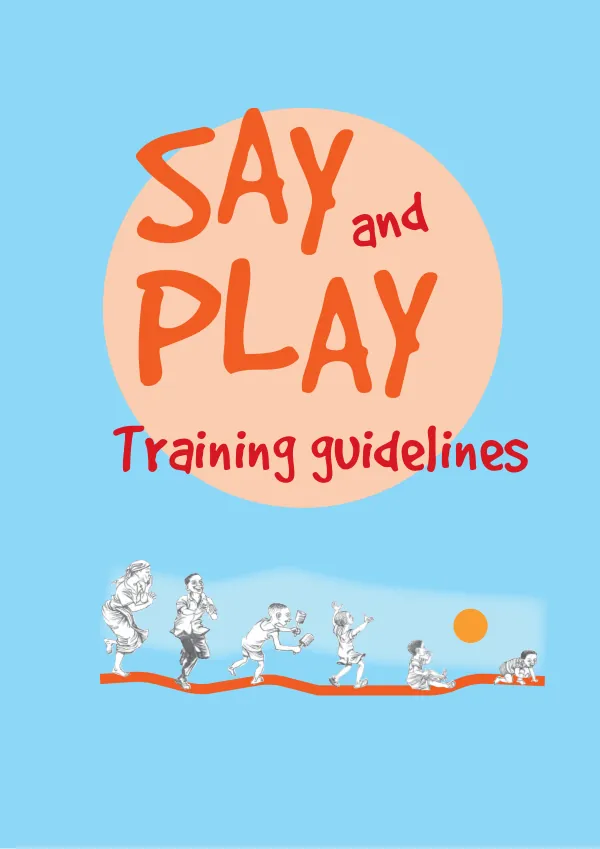
Say and Play Training Guidelines
The Say and Play training program is designed to equip adults with the skills and knowledge necessary to meet the psychosocial needs of young children, particularly orphans and vulnerable children.
8 pages
Sign in to readA free account is required to download.
Abstract
The program focuses on interactive and participatory training methods, with a maximum of 28 participants and a minimum of 7 participants per group. The ideal group size is 21 participants, allowing for effective facilitation and participation. The training program covers seven topics, including child development, child protection, and community resources. Participants are divided into smaller groups, each responsible for one or two topics, and are given the opportunity to review and become familiar with their assigned topics. The facilitator plays a crucial role in guiding the discussions, ensuring that each topic is presented according to the guidelines in the manual, and creating a comfortable learning environment. During the training, participants engage in group work, presentations, and activities, allowing them to practice using the Say and Play tool and develop their facilitation skills. The facilitator checks on each group to ensure they understand their assigned topic and can facilitate it according to the guidelines. Each person in the group has the chance to practice a part of their topic during the group facilitations. The training program also addresses sensitive topics, such as child sexual abuse and death, and provides participants with the skills and knowledge necessary to handle difficult situations. The facilitator reviews key discussion points, including what to do if a child becomes distressed, and provides participants with information on organizations and government services that provide counseling or protection. The Say and Play manual contains six information cards, including the holistic care checklist, child sexual abuse, and how to talk to children about death. Participants are encouraged to practice reviewing the information on these cards with parents and guardians, and the facilitator can use them to share key strategies on working with young children. The effectiveness of the training program depends on the facilitator's ability to create a comfortable learning environment, guide the discussions, and ensure that each participant has the opportunity to practice using the Say and Play tool. The facilitator should be from the same area as the participants and understand the local community resources available to help in difficult situations. The training program is designed to equip participants with the skills and knowledge necessary to meet the psychosocial needs of young children, particularly orphans and vulnerable children. The program focuses on interactive and participatory training methods, and the facilitator plays a crucial role in guiding the discussions and creating a comfortable learning environment.